What Are the Most Trending Travel Destinations (Countries) for 2026–27?
Why It Matters
These trends signal where travelers will allocate spend in the next two years, guiding tour operators, airlines and investors toward markets that combine growth potential with sustainability credentials. Aligning products with these destinations can capture premium demand while supporting responsible tourism.
Key Takeaways
- •Japan leads with rail connectivity and seasonal experiences.
- •South Korea rides K‑culture surge and eco‑hiking infrastructure.
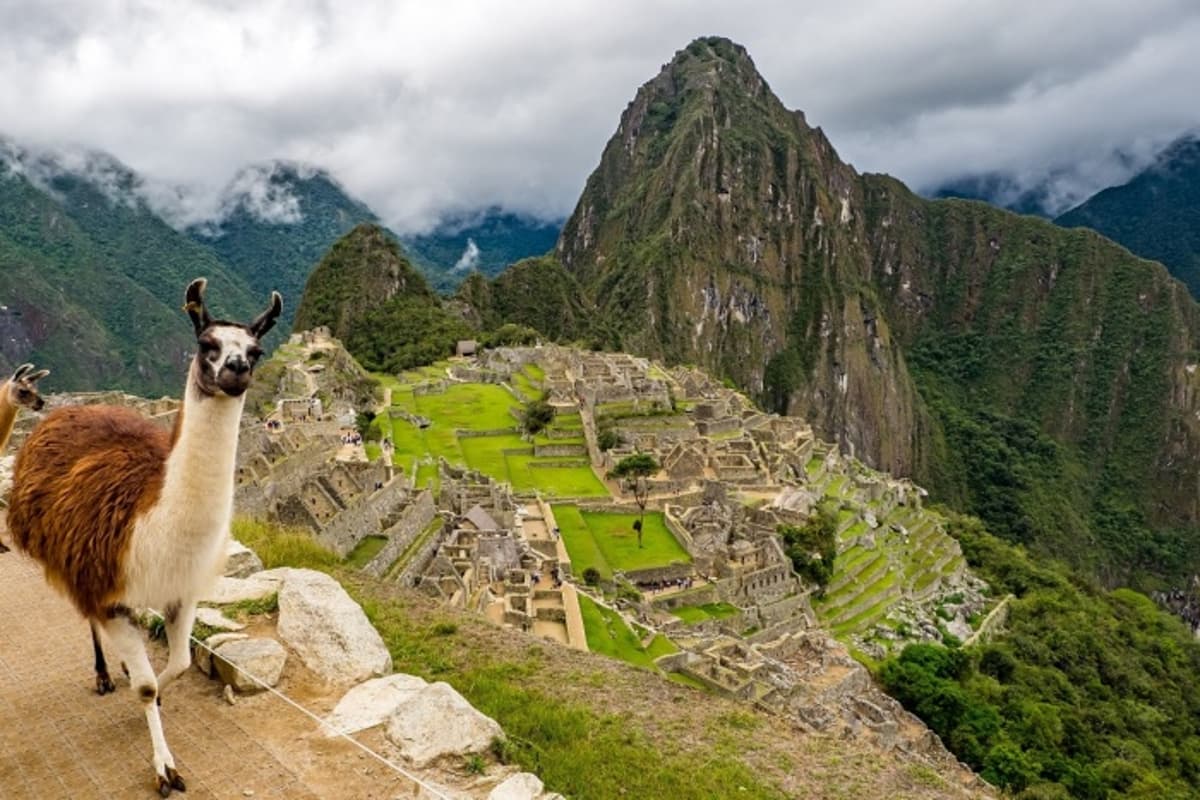
- •Peru expands beyond Machu Picchu with regenerative tourism initiatives.
- •Finland markets slow‑travel model with design‑centric nature experiences.
- •Botswana showcases high‑end, low‑impact safari model for conservation.
Pulse Analysis
Post‑pandemic travel is no longer about ticking off famous landmarks; it’s about depth, sustainability and authentic experiences. Analysts point to a convergence of data from UN tourism arrivals, curated rankings and specialist blogs that highlight countries investing heavily in green infrastructure, regional rail links and community‑based accommodations. This shift reflects a broader consumer appetite for low‑impact journeys that still deliver comfort and safety, positioning destinations like Japan and Finland as exemplars of "slow travel" while emerging markets such as Dominica and Rwanda leverage eco‑certifications to attract conscientious explorers.
In Asia, Japan’s high‑speed rail and seasonal festivals, coupled with South Korea’s K‑culture momentum, are reshaping itineraries toward multi‑region trips that extend beyond megacities. Across the Atlantic, Finland’s design‑driven nature tourism and Albania’s newly accessible coastal routes illustrate how European nations are capitalising on improved air connectivity and cultural heritage to lure longer stays. Meanwhile, South America’s Peru is diversifying beyond Machu Picchu through regenerative tourism projects, and Africa’s Botswana and Rwanda are setting benchmarks for high‑end, low‑impact safaris that tie visitor fees directly to conservation outcomes. These narratives are reinforced by robust government policies and private‑sector investments that enhance accessibility while preserving natural assets.
For the travel industry, the emerging list offers a roadmap for product development and marketing spend. Tour operators can bundle regional experiences—such as Japan’s rural prefectures or Costa Rica’s rainforest lodges—to meet the demand for immersive, multi‑day journeys. Airlines and investors should monitor new flight routes and infrastructure upgrades that unlock these markets, while destination marketers must continue to foreground sustainability metrics to differentiate themselves. Travelers who act now will benefit from early‑bird pricing and less‑crowded attractions, positioning themselves as pioneers in the next wave of responsible tourism.
What Are the Most Trending Travel Destinations (Countries) for 2026–27?
Comments
Want to join the conversation?
Loading comments...