What Nobody Believes About The Florida Everglades Until They See It For Themselves
Why It Matters
Understanding the Everglades as a river clarifies its ecological function, informs water‑management policies, and enhances sustainable tourism that supports local economies.
Key Takeaways
- •Everglades are a slow‑moving river, not a swamp
- •River of Grass spans 60 miles wide, wider than typical rivers
- •Summer flow reaches a mile per day; winter only 100 ft
- •Dry season (Nov‑Apr) offers milder weather, fewer mosquitoes, prime alligator spotting
- •Guided Wet Walks let visitors explore sloughs and observe moving water
Pulse Analysis
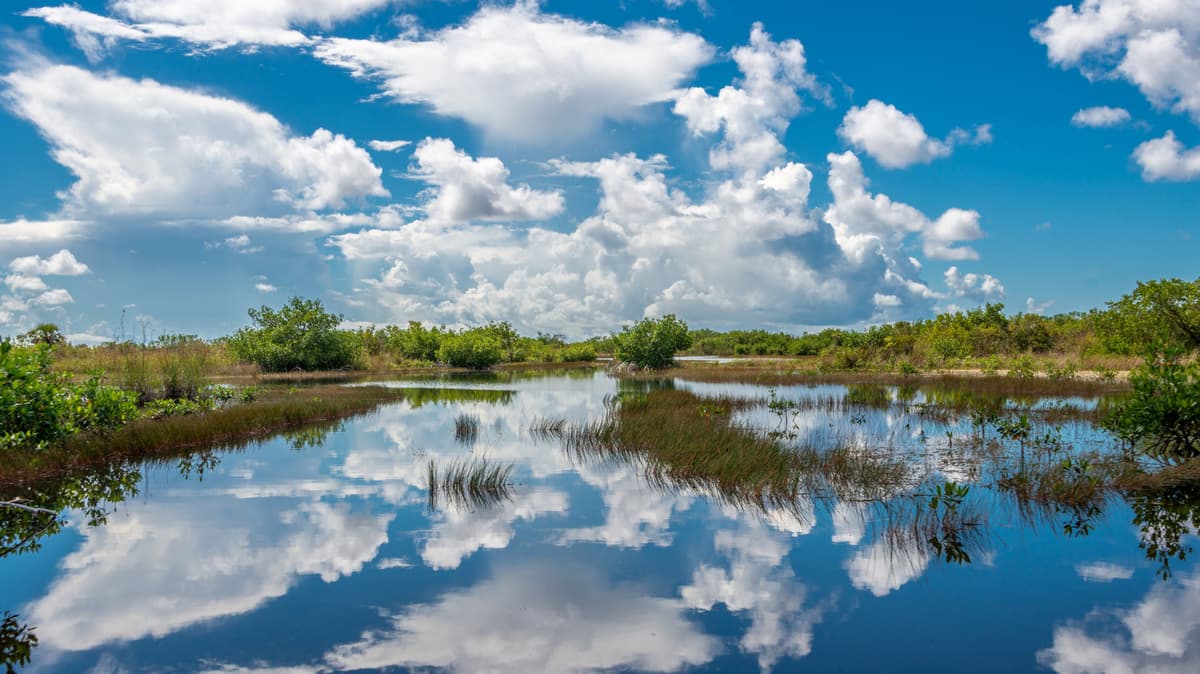
The Florida Everglades, spanning roughly 1.5 million acres, is often mislabeled as a swamp, yet the National Park Service defines it as a slow‑moving river system. Unlike traditional rivers, its two freshwater sloughs stretch over 60 miles in width, earning the moniker “River of Grass.” This distinction matters for scientists, policymakers, and tourists because it shapes how the ecosystem is studied, protected, and marketed. Recognizing the Everglades as a river underscores its role in regional water storage, flood mitigation, and as a critical habitat for endangered species.
Water velocity in the Everglades varies dramatically with the seasons. During the summer rainy season, flow can accelerate to a mile per day, while winter sees a sluggish 100 feet daily. These fluctuations drive the distribution of mangroves, sawgrass, and wildlife, influencing everything from alligator basking spots to wading‑bird nesting sites. Visitors can experience the dynamic landscape through guided Wet Walks, airboat rides, and kayak excursions that highlight the subtle movement of the sloughs. Understanding the flow patterns enhances safety, enriches interpretation, and supports sustainable tourism operators.
The riverine nature of the Everglades also amplifies conservation stakes. Climate‑induced sea‑level rise and upstream water withdrawals threaten the delicate balance of fresh and saltwater, jeopardizing the park’s biodiversity and the livelihoods of nearby communities such as Everglades City. Investment in water‑management infrastructure and habitat restoration projects is essential to preserve the “River of Grass” for future generations. As public awareness grows, the narrative shift from swamp to river can attract new funding, bolster eco‑tourism, and reinforce the Everglades’ status as a keystone ecosystem in the United States.
What Nobody Believes About The Florida Everglades Until They See It For Themselves
Comments
Want to join the conversation?
Loading comments...