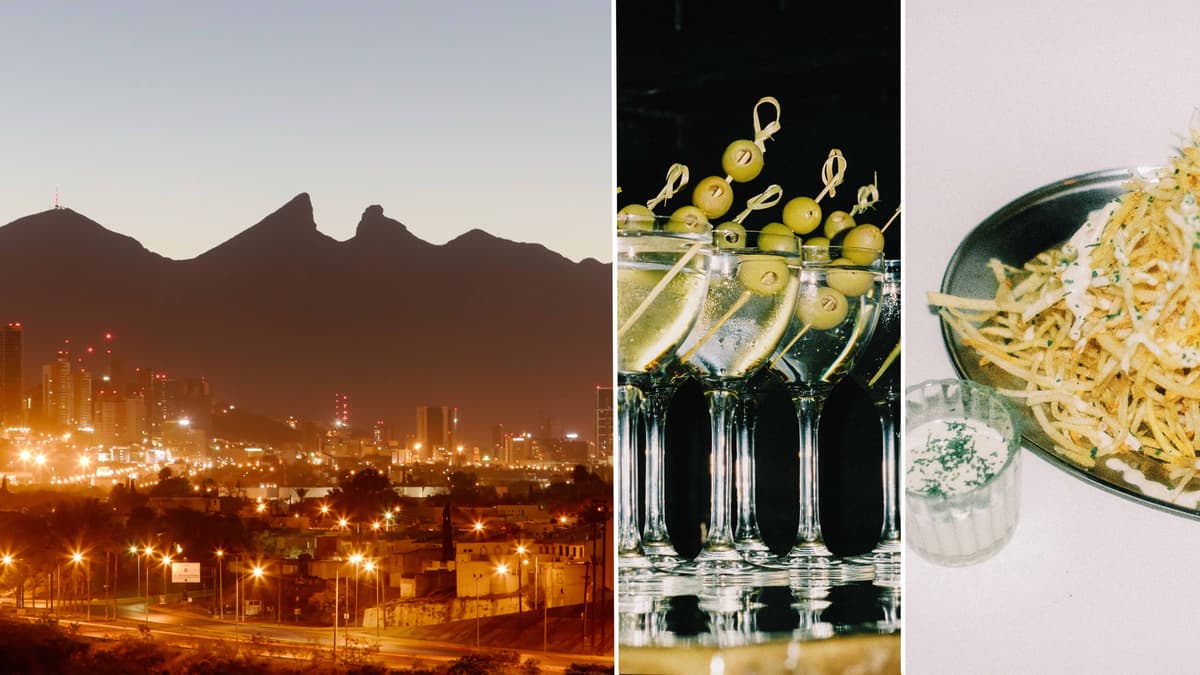
Where to Find the Best Nightlife and Food in Monterrey, Mexico, During the FIFA World Cup
•March 11, 2026
0
Why It Matters
The tournament positions Monterrey as a new tourism hub, boosting local hospitality revenue and showcasing regional cuisine to a global audience.
Key Takeaways
- •Estadio Monterrey hosts four 2026 World Cup matches
- •Fundidora Park offers free fan festival screens and live music
- •Tacos Atarantados and Taquería Orinoco rank top for steak tacos
- •Cervecería Fausto and Pinto Bar lead nightlife in El Centro
- •San Pedro hotels blend business luxury with easy stadium access
Pulse Analysis
Monterrey’s role as a 2026 FIFA World Cup venue marks a turning point for the city’s global profile. Estadio BBVA, temporarily renamed Estadio Monterrey, will stage four matches, while the adjacent Fundidora Park will host a massive fan festival with giant screens, live music, and local food vendors. The influx of international supporters is expected to generate tens of millions of dollars in tourism spend, reinforcing Mexico’s broader strategy to diversify its visitor markets beyond the traditional coastal hotspots.
Beyond the stadium, Monterrey’s culinary landscape is a magnet for food‑focused travelers. Street‑level taco joints such as Tacos Atarantados, Tacos del Valle, and Taquería Orinoco serve some of the nation’s most celebrated carne asada and cabrito, while upscale establishments like Pangea and La Nacional offer refined steak experiences. Nightlife thrives in neighborhoods like El Centro and San Pedro, where venues such as Cervecería Fausto, Pinto Bar, and Café Iguana blend craft beer, live music, and a lively patio atmosphere, catering to both locals and visitors seeking authentic Mexican hospitality.
Adventure‑seeking fans can balance match‑day excitement with Monterrey’s natural assets. The nearby Chipinque mountain park provides accessible hiking and biking trails, and the iconic Cerro de la Silla offers panoramic city views. Travelers arrive via Monterrey International Airport, which connects to major U.S. hubs, and can use ride‑share services or the forthcoming metro line for seamless stadium access. Accommodation ranges from luxury chains in San Pedro Garza García to historic hotels in El Centro, while Airbnb options deliver neighborhood immersion. Together, these elements create a comprehensive, high‑energy itinerary that positions Monterrey as a must‑visit destination during the World Cup.
Where to Find the Best Nightlife and Food in Monterrey, Mexico, During the FIFA World Cup
0
Comments
Want to join the conversation?
Loading comments...