Why It Matters
The shift signals a broader move toward sustainable tourism and helps disperse economic benefits to secondary markets, reducing strain on traditional hotspots. For the travel industry, catering to this demand can unlock new revenue streams and improve destination resilience.
Key Takeaways
- •TikTok #dupe trend generated 342,000 posts highlighting alternative spots
- •Braga offers historic cathedral and farm‑to‑table dining in a quiet setting
- •Rotterdam’s climate‑action plan targets 50% emission cut by 2029
- •Bergen combines colorful waterfront with nearby snow‑capped fjords
- •Mostar provides Ottoman architecture and vineyards away from crowded coasts
Pulse Analysis
The post‑pandemic traveler is now guided as much by social media as by guidebooks, and TikTok’s #dupe phenomenon illustrates that shift. With 342,000 videos showcasing lesser‑known locales, the platform is reshaping itineraries, encouraging tourists to sidestep the traditional summer choke points of Paris, Rome and Barcelona. This digital‑driven curiosity aligns with growing climate awareness; visitors are looking for destinations that offer authentic experiences without contributing to overtourism or excessive carbon footprints.
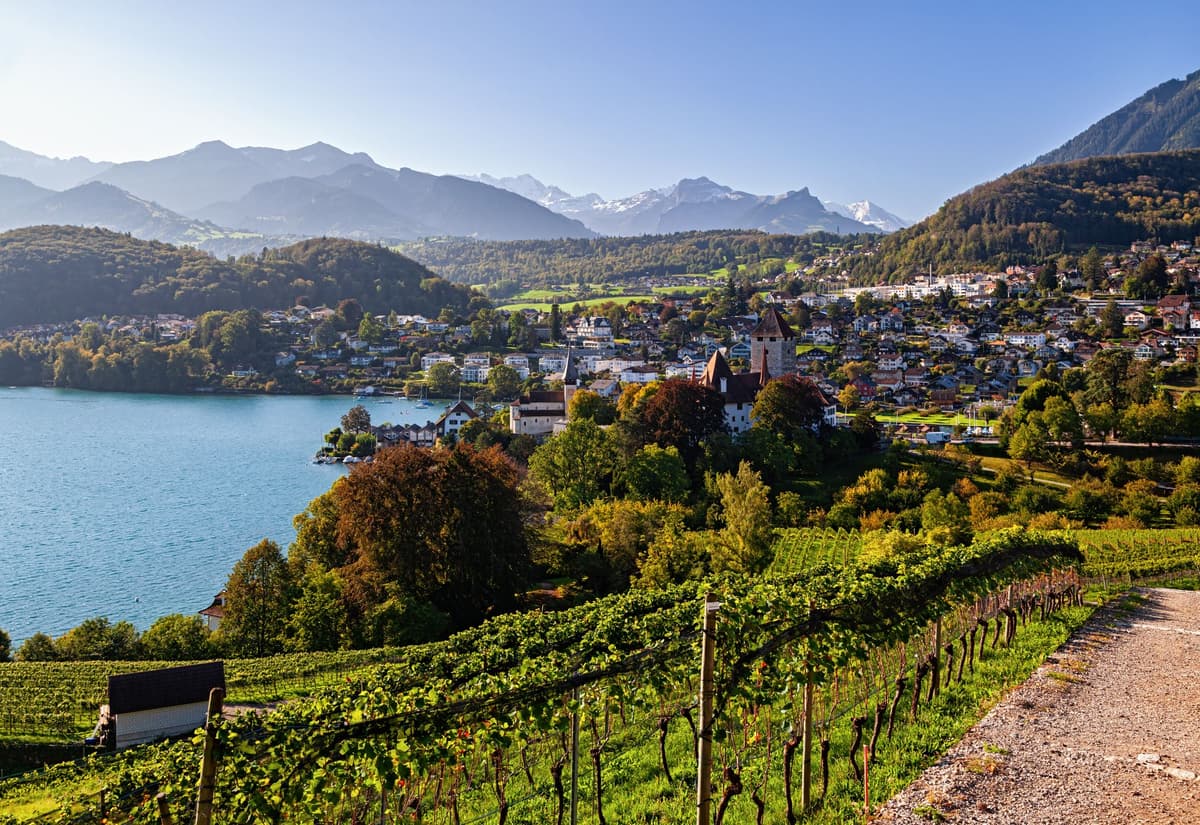
Braga, Portugal, offers a medieval backdrop and farm‑to‑table gastronomy that rivals the more famous Porto scene, while Bordeaux provides world‑class wine and pedestrian‑friendly streets that feel like a scaled‑down Paris. Rotterdam’s aggressive climate‑action agenda—aiming for a 50% emissions cut by 2029—adds an eco‑conscious layer to its modern design ethos. In the north, Bergen’s colorful wooden houses sit beneath snow‑capped fjords, delivering a rare summer‑winter blend. Meanwhile, Mostar’s Ottoman‑era architecture and surrounding vineyards present a culturally rich escape far from the Adriatic rush.
For industry players, the lesson is clear: diversify offerings and invest in sustainable infrastructure to capture this emerging market. Travelers benefit from reduced crowds, lower prices and richer local interactions, while secondary cities gain vital tourism revenue. As climate pressures mount and digital influencers continue to shape preferences, the less‑crowded European summer could become the new norm rather than the niche.
Where to Go for a Less-Crowded European Summer
Comments
Want to join the conversation?
Loading comments...