Why Destination-Led Cruises Are Worth A Second Look
Why It Matters
The shift signals a premium market for immersive travel, prompting cruise lines to invest in smaller vessels and richer shore programming, which can drive higher yields per passenger. It also reshapes competitive dynamics as experiential itineraries become a key differentiator in the crowded cruise sector.
Key Takeaways
- •Viking emphasizes destination over ship amenities with adult‑focused itineraries
- •Hurtigruten’s coastal express blends transport heritage with tourism
- •Expedition and luxury cruise capacity has tripled since 2010
- •Passenger numbers on exploration cruises rose 22% YoY 2023‑24
- •Successful routes need ample port time and contextual shore experiences
Pulse Analysis
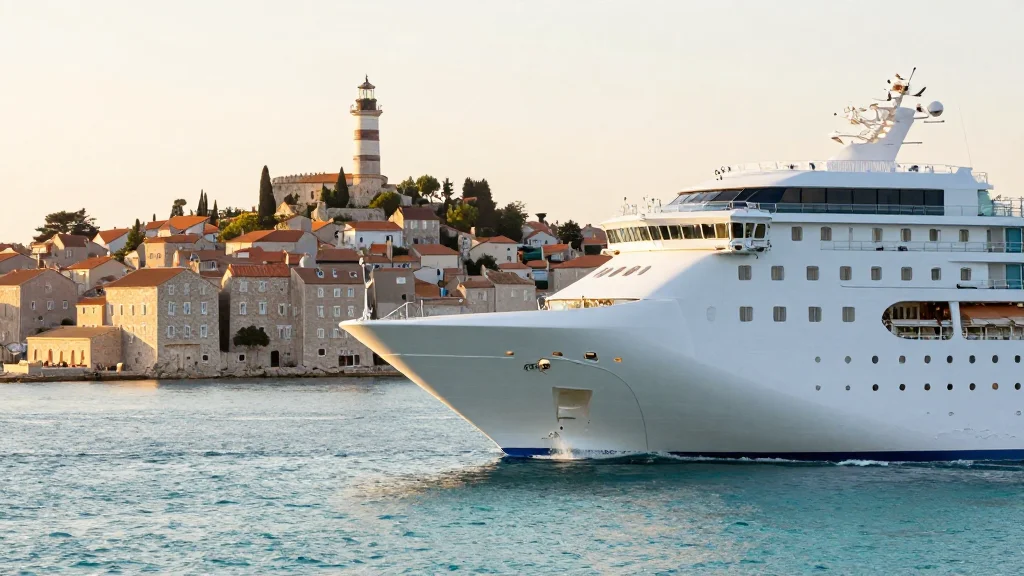
Destination‑led cruising reflects a broader consumer pivot toward experiential travel, where the journey itself becomes an educational narrative. Viking’s North Sea and Scandinavia sailings illustrate this shift, offering adult‑only ships without casinos and curated shore excursions that weave together maritime history, local cuisine, and architecture. Similarly, Hurtigruten’s Norwegian Coastal Express leverages a century‑old transport route, turning everyday ports into living museums. These examples show how cruise lines are repurposing vessels as platforms for storytelling rather than mere accommodation.
Waterways provide a natural thread that connects disparate locales, turning geography into a cohesive storyline. In Norway, fjords, fishing villages, and Arctic towns reveal how mountains and seas have dictated settlement patterns, trade routes, and cultural practices for centuries. On European rivers, cities like Vienna and Budapest gain depth when the Danube’s role in commerce, music, and gastronomy is highlighted. By aligning itineraries with these intrinsic narratives, operators deliver richer context, encouraging travelers to engage more deeply with each stop rather than treating ports as brief photo‑ops.
For the cruise industry, the rise of destination‑centric itineraries demands strategic investments. Smaller, more agile vessels allow access to niche ports and longer dwell times, while partnerships with local guides and culinary experts enhance authenticity. These enhancements can justify premium pricing and improve occupancy rates, especially as luxury and expedition segments expand rapidly. As consumer expectations evolve, cruise lines that embed regional storytelling into their core offering are poised to capture higher-margin travelers and differentiate themselves in an increasingly competitive market.
Why Destination-Led Cruises Are Worth A Second Look
Comments
Want to join the conversation?
Loading comments...