Why Now Is the Perfect Time to Visit Cyprus
Companies Mentioned
Why It Matters
The surge in high‑end tourism and wine‑focused experiences boosts Cyprus’s GDP and diversifies its economy beyond traditional sun‑and‑sand holidays. It also positions the island as a model for sustainable, culturally rich travel in Southern Europe.
Key Takeaways
- •Cyprus luxury hotel market adds 5 new five‑star openings this year
- •Boutique wineries focus on native grapes like Xynisteri and Maratheftiko
- •UNESCO sites such as Tomb of the Kings draw cultural tourists
- •Safety perception high; locals report rarely locking doors at night
- •Lunch $27; junior suite $1,690, still cheaper than many European spots
Pulse Analysis
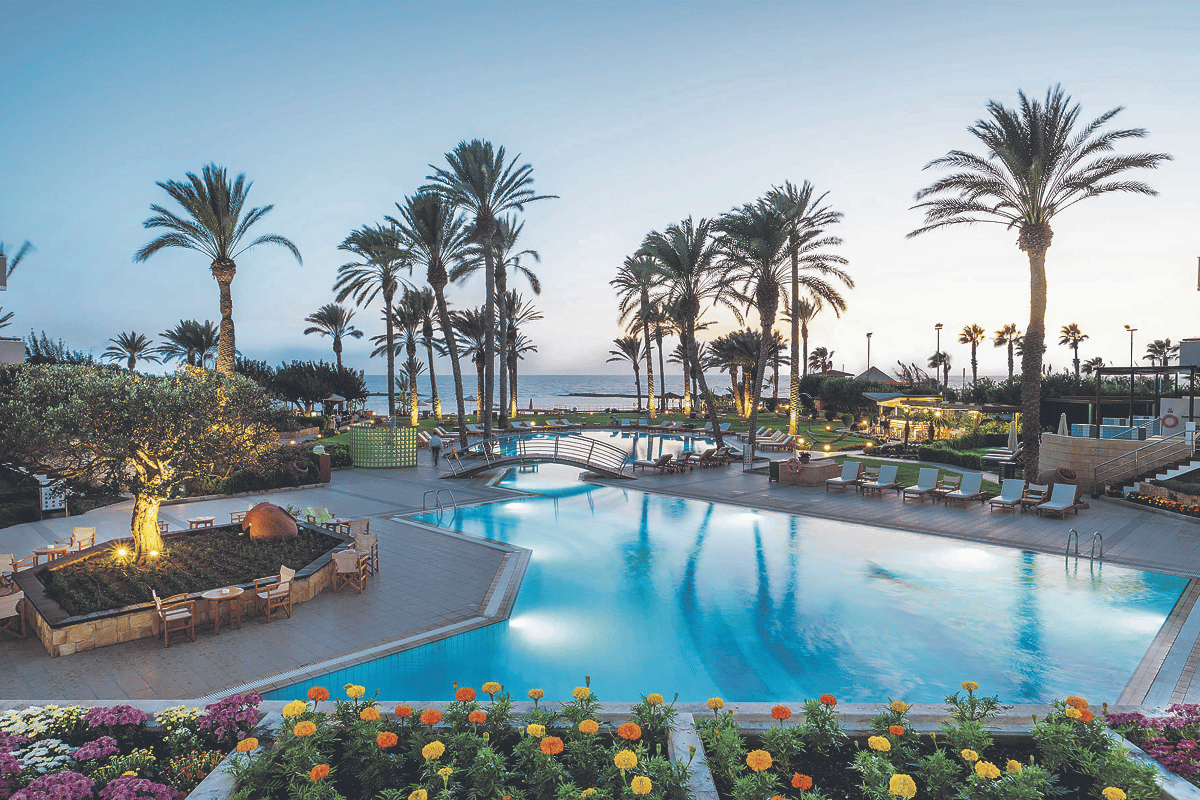
Cyprus’s tourism renaissance is anchored in a strategic shift toward upscale hospitality and experiential travel. New five‑star properties, exemplified by the Asimina Suites Hotel’s rooftop terrace and sea‑view yoga sessions, cater to affluent visitors while maintaining the island’s hallmark of British‑friendly conveniences—right‑hand driving, familiar plugs, and English‑speaking staff. This premium positioning is reinforced by a competitive price advantage; a $27 meze lunch and a $1,690 junior suite undercut comparable offerings in Italy, Spain and Greece, making Cyprus an attractive value proposition for post‑pandemic travelers.
Parallel to the hotel boom, Cyprus’s wine industry is undergoing a renaissance rooted in indigenous grape varieties. Producers are championing Xynisteri, Maratheftiko, Yiannoudi and Mavro, shifting away from imitation of French or Italian styles. High‑altitude vineyards up to 1,150 m deliver sharper acidity, while seven designated wine routes invite tourists to explore boutique cellars, tasting rooms and vineyard walks. This focus on terroir not only elevates export potential but also enriches the visitor experience, aligning with global trends toward authentic, region‑specific gastronomy.
Sustainability and safety round out Cyprus’s appeal. The island’s low crime rates—illustrated by the deputy tourism minister’s claim that locals rarely lock doors—enhance its reputation as a secure getaway. Conservation initiatives, such as the community‑run turtle museum near Lara Bay, demonstrate a commitment to protecting natural assets while channeling tourist spend into local economies. Together, these factors—luxury accommodation, native‑wine culture, and responsible tourism—position Cyprus as a compelling, future‑proof destination in the competitive Mediterranean market.
Why now is the perfect time to visit Cyprus
Comments
Want to join the conversation?
Loading comments...