Why It Matters
The trek is a cornerstone of Nepal’s tourism economy, generating revenue for remote mountain communities while showcasing sustainable adventure travel. Its popularity also fuels global interest in high‑altitude trekking and cultural exchange.
Key Takeaways
- •Base Camp trek offers iconic Himalayan vistas and Sherpa cultural immersion
- •Spring and autumn provide clear skies, mild temps, peak photo opportunities
- •Tea house lodges deliver comfortable sleep and hot Nepali meals nightly
- •Completing the trek boosts confidence and creates lifelong achievement memories
Pulse Analysis
The Everest Base Camp trek has evolved from a daring mountaineering side‑quest into a mainstream adventure product, attracting both seasoned hikers and first‑time travelers. Its appeal lies in the unique combination of towering 8,848‑meter Everest views, diverse peaks like Lhotse and Ama Dablam, and the chance to walk through Sagarmatha National Park’s rhododendron forests. Modern trekkers benefit from a well‑established tea‑house network that replaces traditional camping, offering warm meals, basic amenities, and social hubs where stories are exchanged, thereby lowering the barrier to entry for high‑altitude travel.
Seasonality drives the trek’s economic rhythm; the spring and autumn windows deliver the clearest air and vibrant landscapes, translating into higher occupancy rates for tea houses and increased demand for local guides, porters, and Sherpa artisans. This influx supports remote economies, funding schools, healthcare, and conservation projects that protect the fragile alpine environment. However, the surge also raises sustainability concerns, prompting NGOs and the Nepalese government to promote responsible trekking practices, such as waste management protocols and limits on daily foot traffic in sensitive zones.
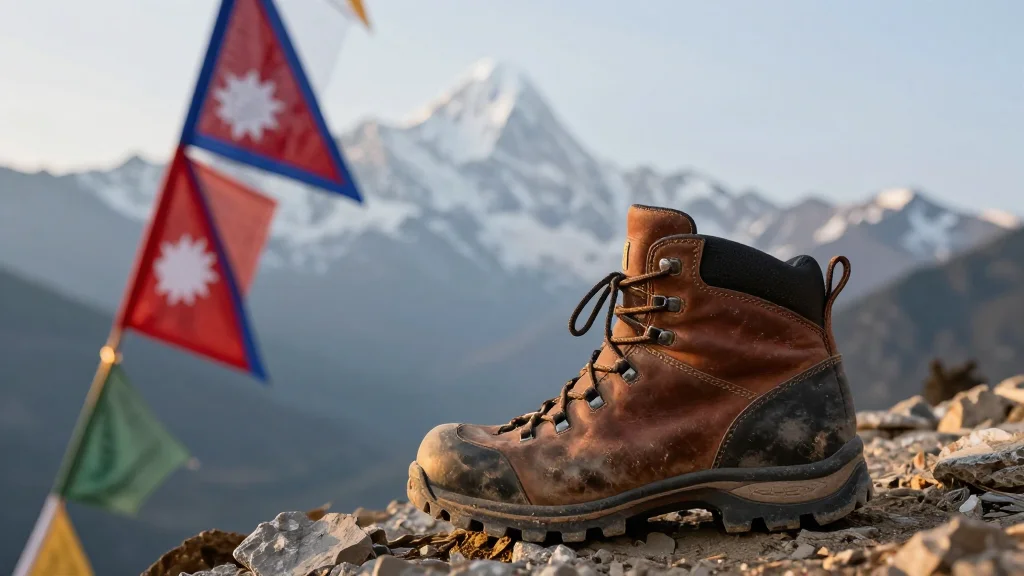
Beyond economics, the trek offers profound personal transformation. Reaching the base camp of the world’s highest mountain provides a tangible sense of achievement, while immersion in Sherpa culture—through monasteries, prayer flags, and traditional cuisine—deepens travelers’ cultural awareness. Photographers capitalize on iconic sunrise moments over Kala Patthar, and nature enthusiasts relish encounters with yaks and endemic bird species. As adventure tourism continues to grow, the Everest Base Camp trek stands as a benchmark for blending awe‑inspiring natural beauty with authentic cultural experiences, reinforcing Nepal’s position on the global travel stage.
Why Should You Choose the Everest Base Camp Trek?
Comments
Want to join the conversation?
Loading comments...