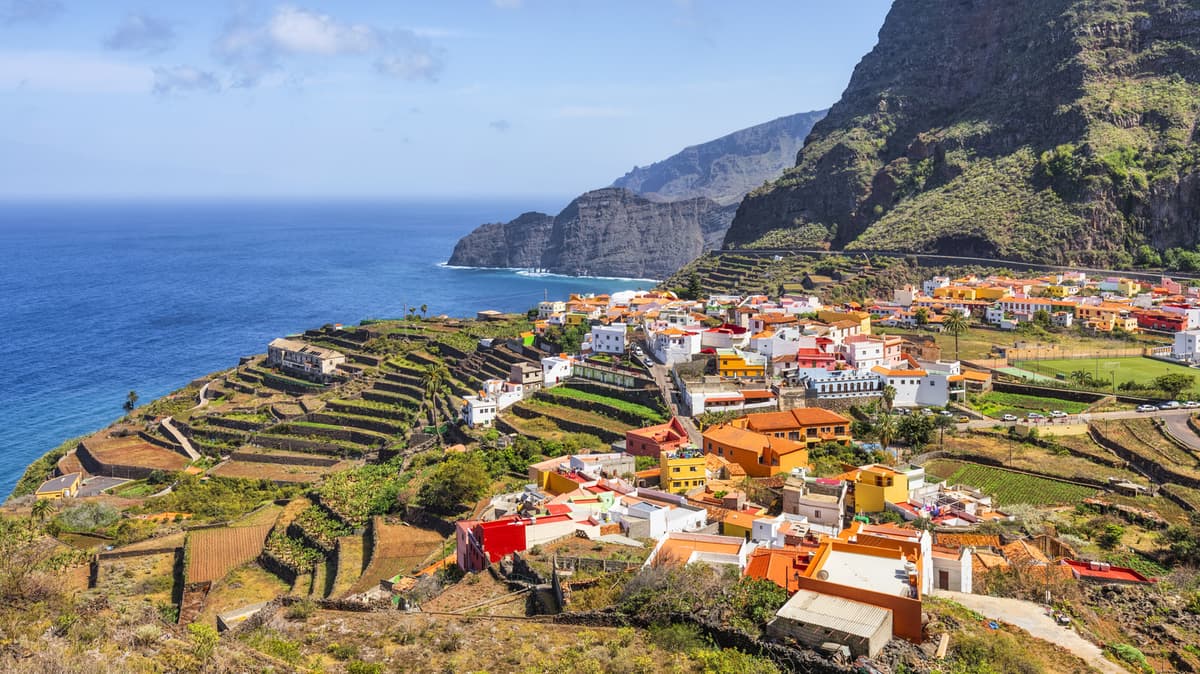
Why The Canary Islands Are A No-Go Vacation Destination For 2026
Companies Mentioned
Why It Matters
Overtourism threatens the islands’ long‑term economic stability and strains essential resources, prompting regulators and investors to reassess tourism‑dependent business models.
Key Takeaways
- •18.4 million visitors in 2025, 3.5% increase year‑over‑year
- •Overtourism drives housing price spikes and water shortages
- •Protests in 2024‑25 demand limits on tourist numbers
- •Non‑licensed rentals may comprise about one‑third of accommodations
- •Fodor’s suggests Balearics or Northern Spain as greener alternatives
Pulse Analysis
The Canary Islands have long been a poster child for sun‑driven tourism, but 2025’s record‑breaking 18.4 million arrivals have exposed a fragile equilibrium. Rapid visitor growth has inflated rental markets, stretched already scarce water supplies, and clogged road networks, prompting residents to take to the streets. Studies from the Canary Islands Tourism Observatory and the Global Water Partnership underline how environmental degradation and social discontent are converging, turning a once‑pristine destination into a cautionary tale for other hotspots.
For investors and operators, the shift signals heightened risk. Overtourism can trigger abrupt policy changes—such as stricter licensing for short‑term rentals or caps on daily visitor numbers—that directly affect revenue streams. Hospitality firms that rely heavily on the Canaries may see occupancy volatility, while local governments face pressure to fund infrastructure upgrades. The emerging narrative encourages diversification, prompting travel platforms to highlight alternative Spanish locales and prompting developers to prioritize sustainable, low‑impact projects.
Fodor’s recommendation to explore the Balearics or Northern Spain reflects a broader industry pivot toward responsible tourism. These regions offer comparable beach and cultural experiences but with lower visitor density, allowing for a more balanced economic impact. As travelers become increasingly eco‑conscious, destinations that can demonstrate robust resource management and community support are likely to capture market share. The Canary Islands’ challenge may ultimately accelerate a global re‑evaluation of how tourism growth is measured and managed.
Why The Canary Islands Are A No-Go Vacation Destination For 2026
Comments
Want to join the conversation?
Loading comments...