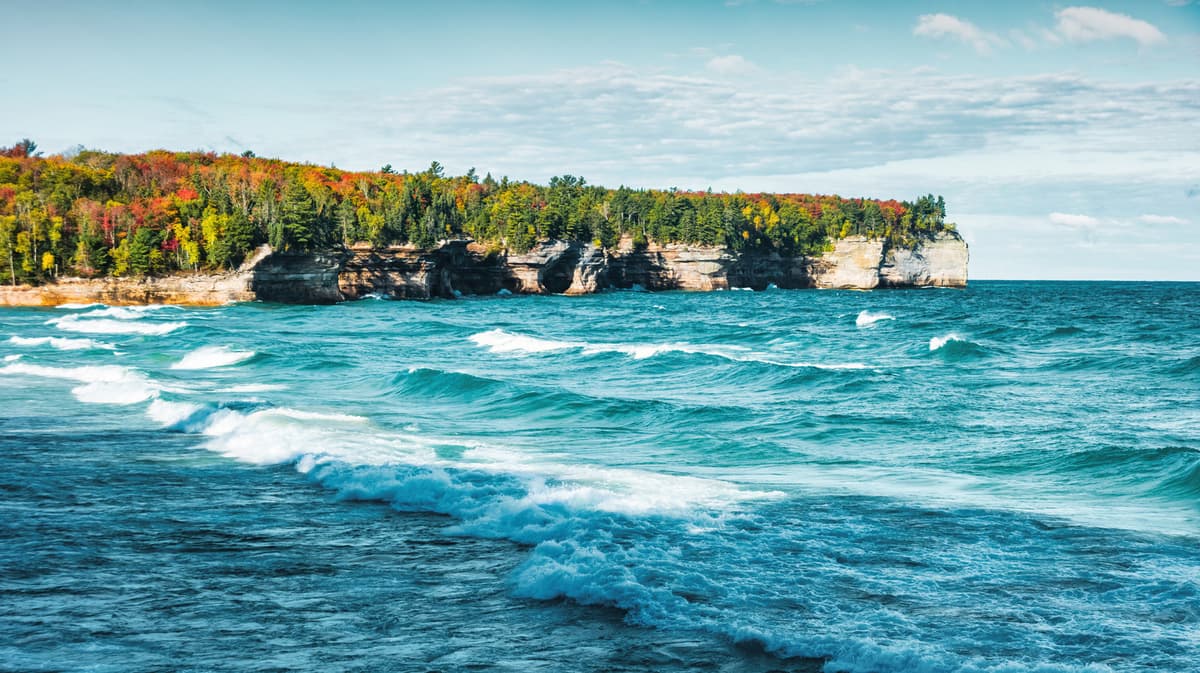
Why The Great Lakes Produce Ocean-Like Waves (And The Best Places To Surf Them)
Why It Matters
Freshwater surfing expands the U.S. surf market beyond coastal areas, driving tourism and local economies around the Great Lakes. It also showcases how inland bodies can produce world‑class wave conditions, reshaping perceptions of where surf culture thrives.
Key Takeaways
- •Great Lakes generate 3‑6 ft winter waves via long fetch.
- •Lake Superior recorded 28.8 ft wave, largest in system.
- •Top surf spots: Sheboygan, Grand Haven, Whiting, Lake Superior sites.
- •Winter surf requires 5/4‑6/5 mm wetsuits, hood, boots.
- •Monitor conditions via NOAA CoastWatch, GLOS Seagull, Windfinder.
Pulse Analysis
The physics behind Great Lakes surf is rooted in the concept of fetch—the uninterrupted distance wind travels over water. With expanses spanning hundreds of miles, the lakes accumulate enough energy to produce waves comparable to modest ocean swells. Seasonal low‑pressure systems funnel strong, cold winds across the water’s surface, creating rapid, choppy wave trains that appeal to surfers seeking a unique challenge. This inland wave generation underscores the lakes’ capacity to mimic coastal dynamics, positioning them as a legitimate surf destination during the colder months.
Economic ripple effects are already evident along the shoreline towns that host surf enthusiasts. Local surf shops, such as Sheboygan’s EOS Surf, report heightened demand for thick wetsuits, booties, and specialized boards during the fall‑winter window. Seasonal surf festivals and competitions attract visitors from across the Midwest, boosting hospitality revenues and fostering a niche tourism sector previously dominated by oceanic locales. As word spreads, municipalities are investing in infrastructure—improved access points, safety signage, and real‑time monitoring platforms—to capitalize on this emerging market while ensuring sustainable growth.
Safety and environmental considerations remain paramount. Frigid water temperatures below 47 °F necessitate 5/4‑6/5 mm wetsuits, hoods, gloves, and boots to prevent hypothermia and ice‑beard formation. Surfers rely on NOAA’s CoastWatch, the Great Lakes Observing System’s Seagull, and wind‑forecast apps to anticipate storm‑driven swells and avoid hazardous conditions. Climate variability may alter storm frequency, potentially extending the surf season or reshaping wave patterns. Continued investment in monitoring technology and community education will be essential to harness the Great Lakes’ surf potential responsibly.
Why The Great Lakes Produce Ocean-Like Waves (And The Best Places To Surf Them)
Comments
Want to join the conversation?
Loading comments...