Companies Mentioned
Why It Matters
The rapid population gains signal shifting migration patterns toward affordable, amenity‑rich Midwestern towns, reshaping regional real‑estate markets and local economies. Investors, developers, and policymakers must monitor these hotspots to capitalize on emerging demand.
Key Takeaways
- •Wrightstown grew 40% from 2020‑2026, near Fox River.
- •Cottage Grove saw 32% rise, benefits from Madison‑Chicago corridor.
- •Verona's 30% surge driven by Epic Systems expansion.
- •Harrison added 20% residents, attracted by new housing and paper mill.
- •DeForest’s 20% growth linked to strong schools and Madison proximity.
Pulse Analysis
Wisconsin’s demographic landscape is undergoing a quiet transformation as families and professionals gravitate toward midsize towns that blend affordability with quality of life. The post‑pandemic era has amplified remote‑work flexibility, allowing workers to escape the high costs of Milwaukee or Madison while still enjoying commuter access via interstates 41 and 94. This migration trend aligns with national data showing a surge in population growth for secondary cities that offer robust school systems, low crime rates, and abundant outdoor recreation. As a result, towns like Wrightstown and Cottage Grove are experiencing double‑digit percentage increases, outpacing the state’s larger metros.
Each of the five highlighted communities benefits from distinct economic catalysts. Verona’s expansion is anchored by Epic Systems, whose campus growth has created thousands of high‑tech jobs and spurred ancillary housing projects. Harrison, though newer on the map, leverages its paper‑mill heritage and expanding healthcare sector to attract buyers seeking larger lots at competitive prices. Meanwhile, DeForest’s proximity to Madison, combined with top‑rated schools and a vibrant community calendar, fuels its steady 20% rise. These localized growth engines illustrate how diversified employment bases and strategic transportation links can accelerate urbanization without sacrificing small‑town character.
For investors and developers, the data underscores a fertile ground for targeted real‑estate ventures, from multifamily rentals to mixed‑use developments that cater to young families and remote workers. Municipal leaders can also harness this momentum by investing in infrastructure, expanding broadband, and preserving green spaces to maintain the lifestyle appeal that drives migration. As Wisconsin’s fastest‑growing cities continue to attract new residents, the ripple effects will reshape housing demand, retail landscapes, and tourism offerings across the state, positioning these towns as pivotal nodes in the broader Midwest economic resurgence.
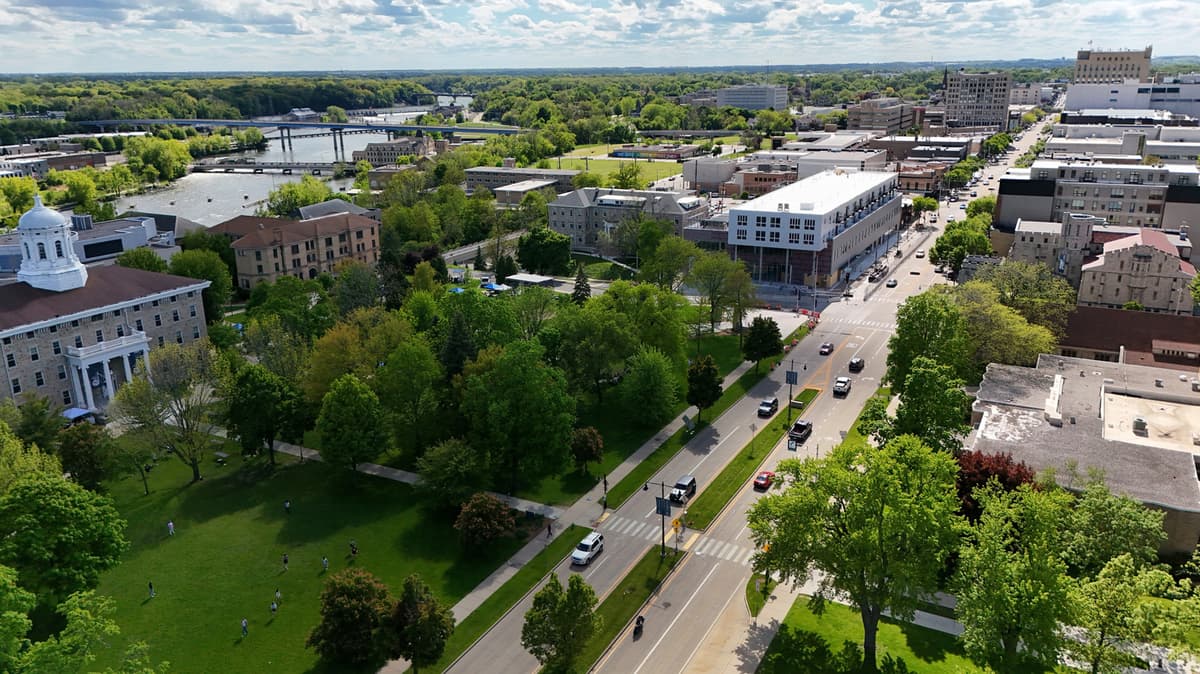
Wisconsin's Fastest-Growing Cities To Visit In 2026
Comments
Want to join the conversation?
Loading comments...