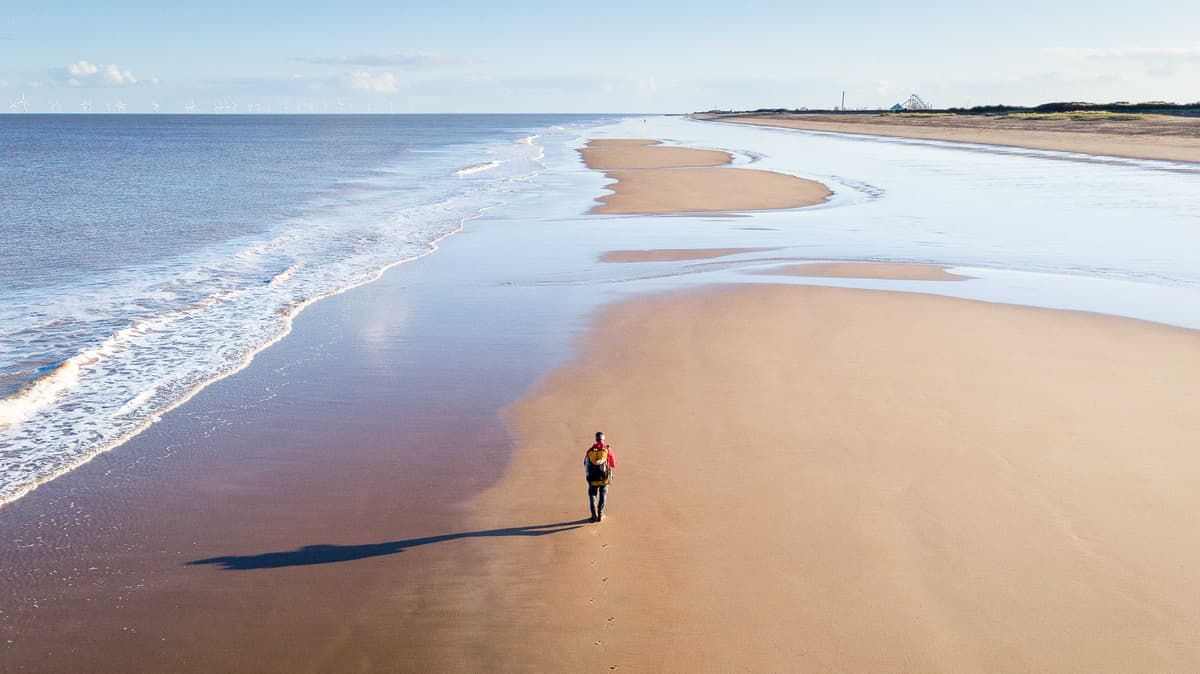
You Can Now Walk the Entire English Coastline. And This Photographer Has Walked Every Step
Why It Matters
The coast path lowers barriers for casual walkers, boosting health, tourism, and regional economies while reinforcing a cultural shift toward sustainable, low‑impact travel.
Key Takeaways
- •Lake walked 6,835 miles over 454 days, finishing in 2020
- •England’s new 2,700‑mile coastal trail is the world’s longest
- •Slow walking uncovers everyday coastal beauty missed by fast travel
- •Well‑marked path may increase participation from non‑traditional walkers
- •The route supports local economies through increased foot‑traffic and tourism
Pulse Analysis
The inauguration of the King Charles III England Coast Path marks a watershed moment for the UK’s outdoor sector. At 2,700 miles, it stitches together cliffs, beaches, estuaries and historic towns, creating a seamless corridor that invites both seasoned hikers and casual walkers. This unprecedented accessibility aligns with a broader surge in low‑impact, long‑distance walking, a trend driven by growing health consciousness and a desire for immersive nature experiences. By offering a clearly marked, legally protected route, the path reduces logistical hurdles, encouraging more people to explore coastal heritage without the need for extensive planning or specialized gear.
Quintin Lake’s five‑year, 6,835‑mile circumnavigation of Britain’s shoreline provides a compelling case study of the transformative power of slow travel. His project, *The Perimeter*, demonstrates how incremental, foot‑based exploration can reveal subtle ecological and cultural nuances that are invisible from a car or a quick photo stop. Lake’s reflections on solitude, changing weather, and the “quiet stretches” between iconic landmarks underscore the mental‑health benefits of rhythmic walking—enhanced mindfulness, reduced stress, and a deeper sense of place. As more walkers adopt this deliberate pace, the coastal path could become a living laboratory for studying the intersection of recreation, well‑being, and environmental stewardship.
Economically, the coast path is poised to stimulate regional development along England’s shoreline. Small towns and villages that were once off the beaten track stand to gain from increased foot traffic, supporting local hospitality, retail, and guide services. Moreover, the path’s emphasis on sustainability dovetails with government objectives to promote green tourism and protect fragile coastal ecosystems. By channeling visitors onto a managed route, authorities can better monitor environmental impact, implement conservation measures, and preserve the very landscapes that attract walkers. In sum, the new trail not only honors Britain’s maritime heritage but also catalyzes a healthier, more resilient tourism model for the future.
You can now walk the entire English coastline. And this photographer has walked every step
Comments
Want to join the conversation?
Loading comments...