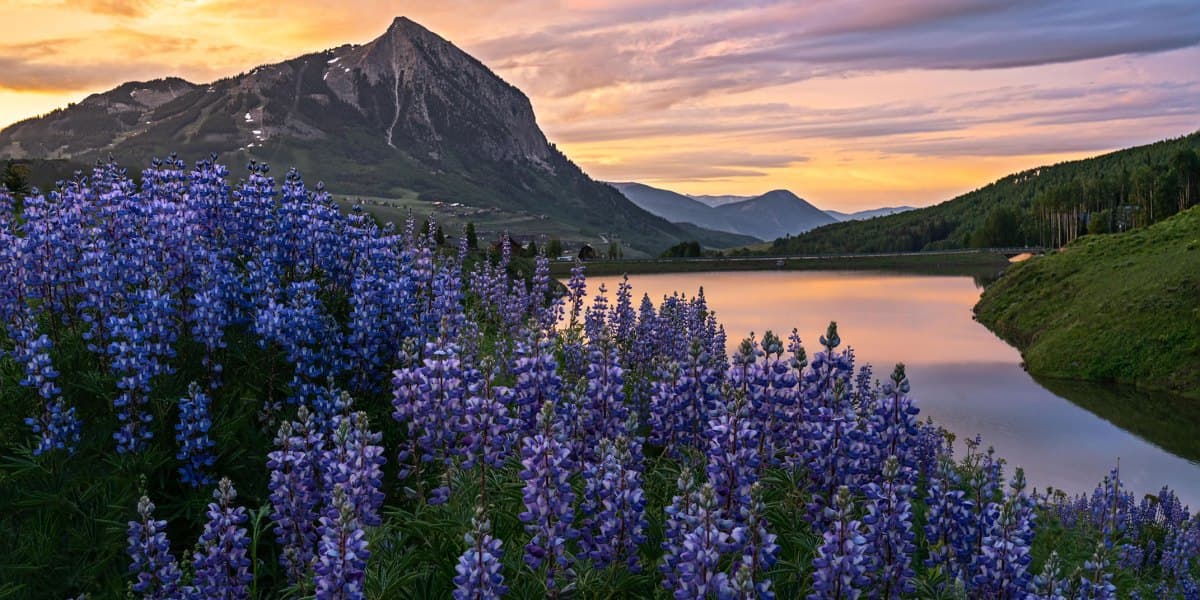
You Didn’t Miss Wildflower Season—You Just Need to Head for Higher Ground
Why It Matters
Extended high‑elevation bloom periods boost off‑season tourism and support local economies while highlighting the need for sustainable visitor practices to protect delicate alpine habitats.
Key Takeaways
- •Alpine blooms peak later, extending West’s wildflower season.
- •High‑elevation meadows offer less crowded, longer‑lasting displays.
- •Top spots include Utah’s Albion Basin, California’s Tuolumne Meadows.
- •Visitors should observe “look, don’t touch” to protect ecosystems.
- •Late snowpack and spring storms boost lushness despite low water.
Pulse Analysis
As climate patterns shift, the timing of wildflower displays in the western United States is moving to higher altitudes. Warmer spring temperatures and intermittent snowmelt trigger a secondary flush of alpine species, extending the visual spectacle well into late summer. This elevation‑driven phenology not only lengthens the overall blooming window but also introduces new habitats for pollinators that previously faced a brief flowering period at lower elevations.
The tourism ripple effect is significant. Destinations such as Albion Basin in Utah, Tuolumne Meadows in Yosemite, and the Crested Butte Wildflower Festival in Colorado are experiencing a surge of visitors seeking uncrowded, photogenic landscapes. Local businesses—guides, outfitters, and hospitality venues—benefit from a longer peak season, diversifying revenue beyond traditional summer months. Sustainable travel messaging, emphasizing low‑impact practices, helps balance economic gains with the preservation of these high‑altitude ecosystems.
Conservation remains paramount. Alpine meadows are fragile; trampling can damage root systems and disrupt seed dispersal. Authorities and park managers stress the “look, don’t touch” ethic and discourage flower picking to ensure regeneration for future seasons. With climate variability likely to produce more erratic snowpacks, ongoing monitoring and adaptive visitor management will be essential to safeguard both the natural beauty and the ecological functions of these wildflower hotspots.
You Didn’t Miss Wildflower Season—You Just Need to Head for Higher Ground
Comments
Want to join the conversation?
Loading comments...