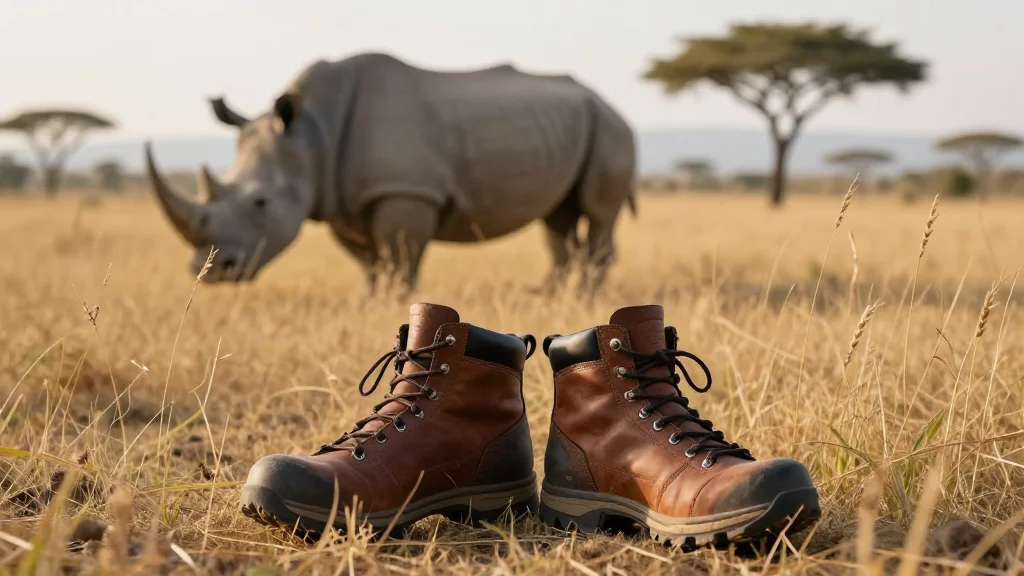
Zambia Crowned World’s Walking Safari Capital as On‑Foot Tours Surge

Why It Matters
The walking‑safari label gives Zambia a competitive edge in a crowded African tourism market, where many destinations rely on traditional game‑drive formats. By emphasizing low‑impact, high‑engagement experiences, Zambia can attract a growing segment of eco‑conscious travelers willing to pay premium prices for authenticity. The influx of such tourists directly supports anti‑poaching initiatives and community development, reinforcing the link between conservation success and economic benefit. Moreover, the designation signals a broader industry shift toward sustainable tourism models that prioritize ecological health over volume. If Zambia’s approach proves scalable, it could inspire other wildlife destinations to diversify their offerings, reducing vehicle congestion and preserving fragile habitats while still delivering memorable wildlife encounters.
Key Takeaways
- •Zambia officially named the world’s walking safari capital.
- •Country now hosts 60 black and 54 southern white rhinos after near‑extinction.
- •Walking safaris generate higher revenue per visitor than traditional game drives.
- •Guide Thomas Mulonga emphasizes immersive, on‑foot wildlife interaction.
- •Operator Gareth Jones highlights sensory, low‑impact tourism benefits.
Pulse Analysis
Zambia’s elevation to walking‑safari capital reflects a strategic pivot that aligns tourism growth with conservation imperatives. Historically, African safaris have been dominated by vehicle‑based experiences, which, while accessible, have contributed to habitat degradation and wildlife stress. Zambia’s emphasis on foot‑based tours leverages its relatively under‑developed tourism infrastructure to create a niche that commands higher price points and attracts a discerning traveler demographic.
The economic calculus is clear: premium walking‑safari packages can offset lower visitor volumes, delivering comparable or greater total revenue while preserving ecological integrity. This model also mitigates the risk of overtourism that has plagued Kenya and Tanzania, where road congestion and wildlife disturbance have prompted calls for stricter visitor caps. By positioning itself as a sustainable alternative, Zambia can capture market share from travelers disillusioned with crowded parks.
Looking ahead, the success of this initiative will hinge on scaling guide training, maintaining rigorous anti‑poaching funding, and ensuring that trail development does not fragment habitats. If Zambia can balance these factors, it may set a template for other destinations seeking to reconcile tourism demand with biodiversity protection, reshaping the future of wildlife travel across the continent.
Zambia Crowned World’s Walking Safari Capital as On‑Foot Tours Surge
Comments
Want to join the conversation?
Loading comments...