20VC Newsletter - 12th October 2025
Venture Capital

20VC Newsletter - 12th October 2025

Harry Stebbings
Harry StebbingsOct 12, 2025

Summary

Here are the transcripts and top takeaways from 20VC episodes released this last week.

20VC Newsletter - 12th October 2025

The 20VC Newsletter dated October 12th, 2025, compiles key takeaways from recent episodes, offering incisive commentary on the rapidly evolving tech and venture capital landscapes. The insights are drawn from discussions with prominent figures like Andrew Feldman of Cerebras, and a joint session with Rory O’Driscoll of Scale and Jason Lemkin of SaaStr. These discussions cover critical issues ranging from the intense demand and innovation challenges in the chip industry to the strategic maneuvers of major tech players and the unique dynamics of venture capital investment.

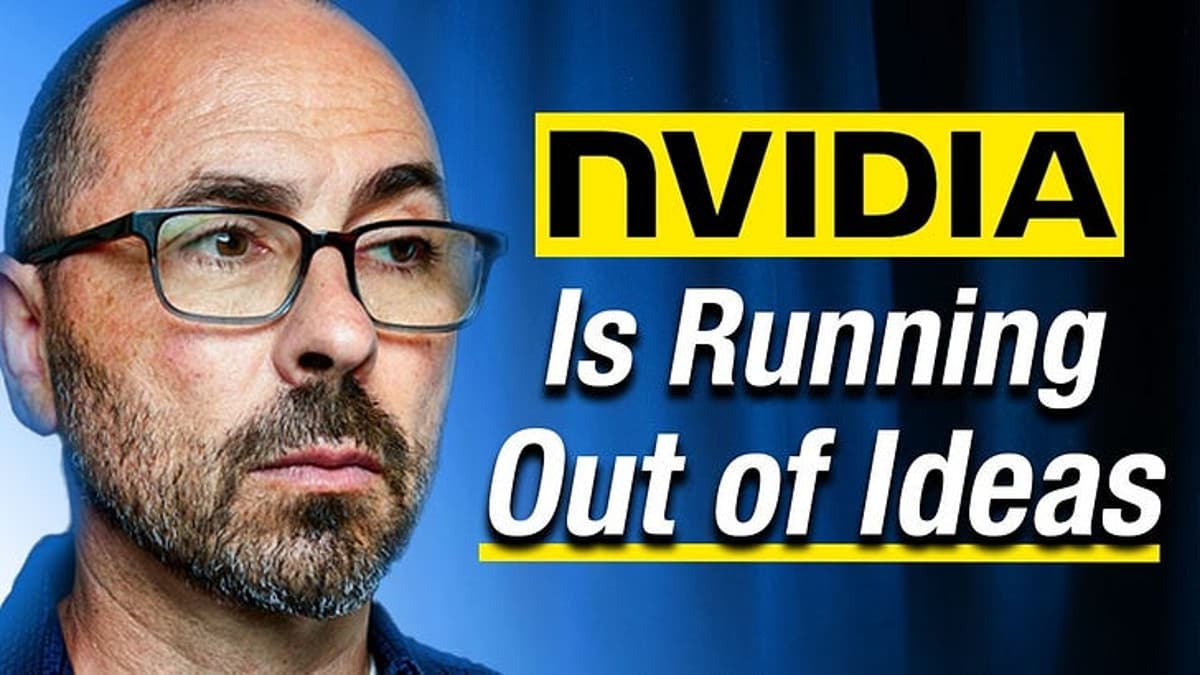
A significant portion of the newsletter addresses the current state of the chip industry, highlighting an "unbelievable demand" that lacks clear future direction. Andrew Feldman of Cerebras notes that customers are requesting immense processing power, leading companies to reserve capacity speculatively. Interestingly, Feldman posits that Nvidia, a major incumbent, might be "running out of innovation," resorting to its balance sheet and aggressive tactics like pre-announcing products to stifle competitors rather than relying on technological superiority. This suggests a shift in competitive strategy within the high-stakes semiconductor market.

The discussion further delves into the complexities of chip depreciation and the US's position in the AI supply chain. The critical question for chip longevity is not just initial cost but how much faster future generations will be, as superior new chips can quickly render existing ones uneconomical. Contradicting popular belief, the US possesses ample power resources for AI, such as natural gas and hydro, but these are geographically isolated from data centers and population hubs. Moreover, the US faces a significant shortage of AI expertise, a problem exacerbated by declining H-1B visa attractiveness and insufficient university programs, hindering the development of homegrown talent.

From a venture capital perspective, the newsletter illuminates the "mega leverage" held by OpenAI, despite its unprofitability, primarily due to overwhelming user demand. Vendors like Nvidia and AMD are willing to concede significant equity (up to 10% of their company) for the opportunity to sell to OpenAI, anticipating its revenue will skyrocket from $12 billion to $200 billion annually, necessitating $100 billion in yearly chip investment. This illustrates Sam Altman's formidable power as a "master power broker" who understands how to wield influence effectively in the tech ecosystem.

The article also emphasizes the forgiving nature of venture capital as an asset class compared to private equity or public markets, attributing this to the potential for exponential growth in startup investments. For companies aspiring to control their destiny, four crucial steps are outlined: maintaining strong founder incentives, achieving rapid profitability once gross margins are high and revenue exceeds $100 million, developing a "second act" product ideally leveraging AI, and fostering independence from acquirers and market whims. Lastly, insights into the 2026 IPO landscape suggest a median revenue run rate of approximately $931 million with 30% growth as the benchmark, with a minimum cutoff around $200-300 million.

Comments

Want to join the conversation?