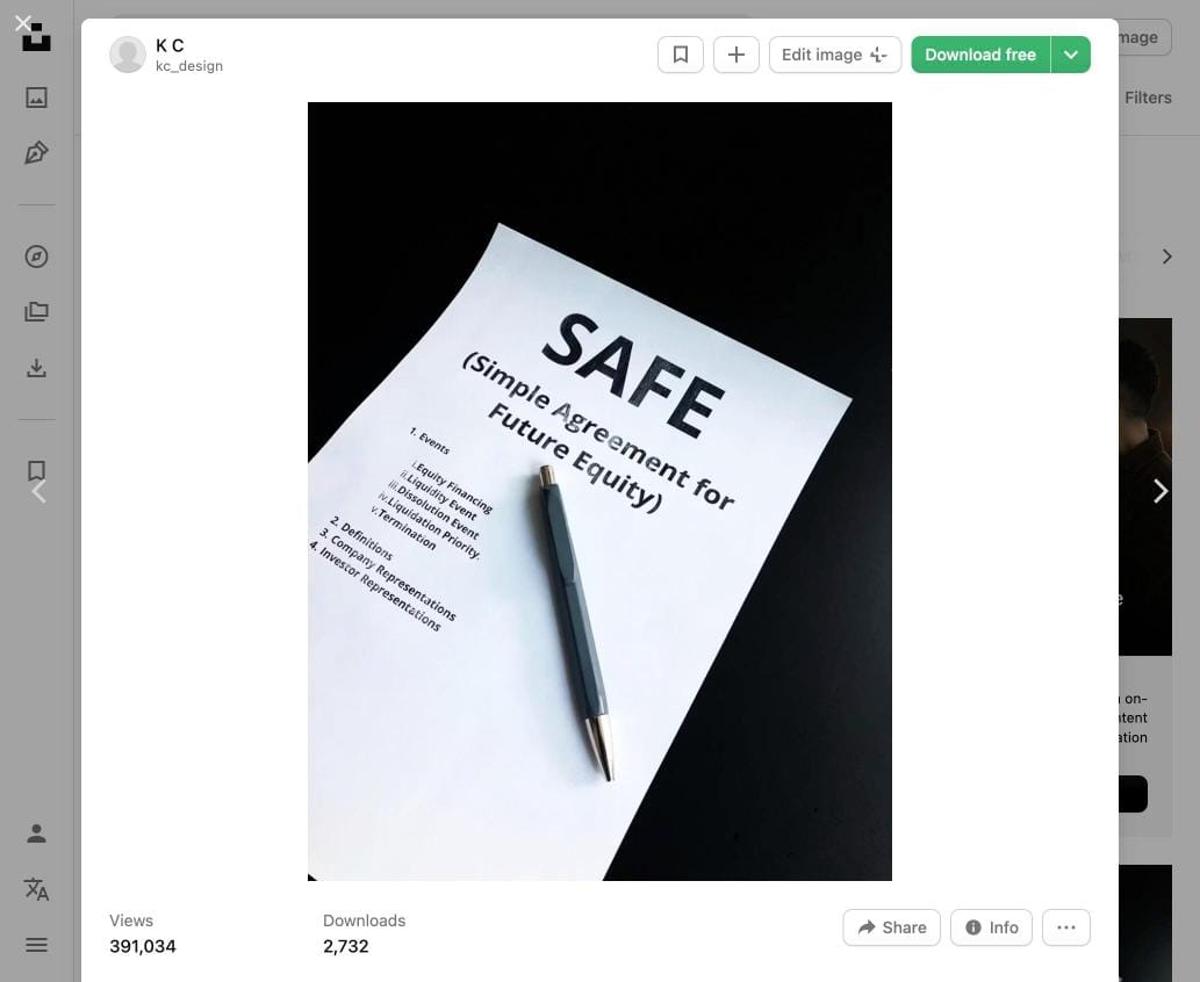
You Bought a SAFE. Who's Protecting Your QSBS?
Key Takeaways
- •SAFEs lack QSBS covenants, leaving angels exposed
- •IRS has not clarified SAFE treatment as stock for Section 1202
- •Holding‑period clock may start at conversion, risking partial exclusion
- •Companies can lose QSBS status without investor notice
- •One‑page side letter can secure annual QSBS certification
Pulse Analysis
The rise of SAFEs (Simple Agreements for Future Equity) has accelerated early‑stage financing, but the tax‑advantaged status of qualified small‑business stock under Section 1202 remains a gray area. Investors chase the possibility of excluding up to $15 million—or ten times their basis—from federal capital gains tax, yet the IRS has never ruled whether a SAFE itself qualifies as "stock" for the purpose of starting the five‑year holding period. This uncertainty means that the clock may only begin when the SAFE converts, potentially shaving years off the exclusion window and jeopardizing the full benefit.
Compounding the classification issue is the ongoing qualification requirement. A company must stay within the gross‑asset and active‑business thresholds for the entire holding period. Without contractual rights to receive updates, angels may discover post‑exit that the issuer exceeded the $50 million asset cap or shifted into a disallowed line of business, nullifying the QSBS exclusion. The lack of information rights also hampers Section 1045 rollovers, where a timely QSBS replacement must be issued; a mis‑timed conversion could invalidate the rollover entirely.
Practically, a one‑page side letter attached to the SAFE can close these gaps. By obligating the startup to provide annual certifications from its CFO confirming continued QSBS eligibility and to notify investors of any material change, angels gain a contemporaneous audit trail. The administrative burden is minimal—roughly an hour of CFO time per year—yet the payoff protects a multi‑million‑dollar tax shelter. As the venture ecosystem matures, embedding such protective language will likely become a standard best practice for savvy angel investors seeking to safeguard their Section 1202 upside.
You Bought a SAFE. Who's Protecting Your QSBS?
Comments
Want to join the conversation?