Corporate
Kazakhstan's Agriculture Ministry Signs $180M Investment Agreement with Mars
•February 21, 2026
•Feb 21, 2026
0
Participants

Why It Matters
These deals signal a strategic push by the U.S. to expand its commercial footprint in Central Asia, diversifying Kazakhstan’s trade partners and counterbalancing rival influences from China and Russia.
Key Takeaways
- •$180M Mars pet food plant agreement signed
- •Boeing 787 Dreamliner order for Air Astana, 2026 delivery
- •Additional Boeing aircraft and joint MRO planned for SCAT
- •Ashmore Healthcare clinic partnership with Samruk Kazyna Invest
- •Kazakhstan pledged Gaza aid, troops at Board of Peace
Pulse Analysis
Washington’s recent outreach to Kazakhstan underscores a broader U.S. strategy to cement economic ties across Central Asia, a region traditionally dominated by Russian and Chinese interests. By leveraging high‑profile sectors such as aerospace, agribusiness, and healthcare, the United States aims to showcase the benefits of market‑based partnerships and to secure a foothold in a geopolitically sensitive corridor. The timing aligns with the inaugural Board of Peace summit, where President Tokayev’s participation highlighted a diplomatic platform for aligning development goals with security cooperation.
The investment package spans multiple industries, each carrying distinct growth prospects for Kazakhstan. The $180 million Mars agreement will establish a pet‑food production facility in Alatau, creating jobs and expanding the nation’s export portfolio. Boeing’s 787 Dreamliner order, coupled with SCAT Airlines’ plans for additional aircraft and a joint maintenance‑repair centre, promises to modernise the country’s aviation infrastructure and open direct trans‑Atlantic routes, boosting tourism and trade. Meanwhile, the Ashmore Healthcare clinic, backed by Samruk Kazyna Invest and Mount Sinai Health System, signals a commitment to elevating medical services, potentially attracting medical tourism and fostering public‑private collaboration.
Beyond immediate economic gains, these deals carry strategic weight. Strengthening U.S. commercial presence offers Kazakhstan an alternative to reliance on Moscow and Beijing, while reinforcing Washington’s narrative of supporting emerging markets through technology and expertise. Kazakhstan’s pledge of humanitarian aid and troops for Gaza at the Board of Peace further illustrates its willingness to engage in global governance initiatives, enhancing its diplomatic clout. As the region navigates shifting power dynamics, sustained U.S. investment could shape a more diversified, resilient Central Asian economy and influence the geopolitical balance for years to come.
Deal Summary
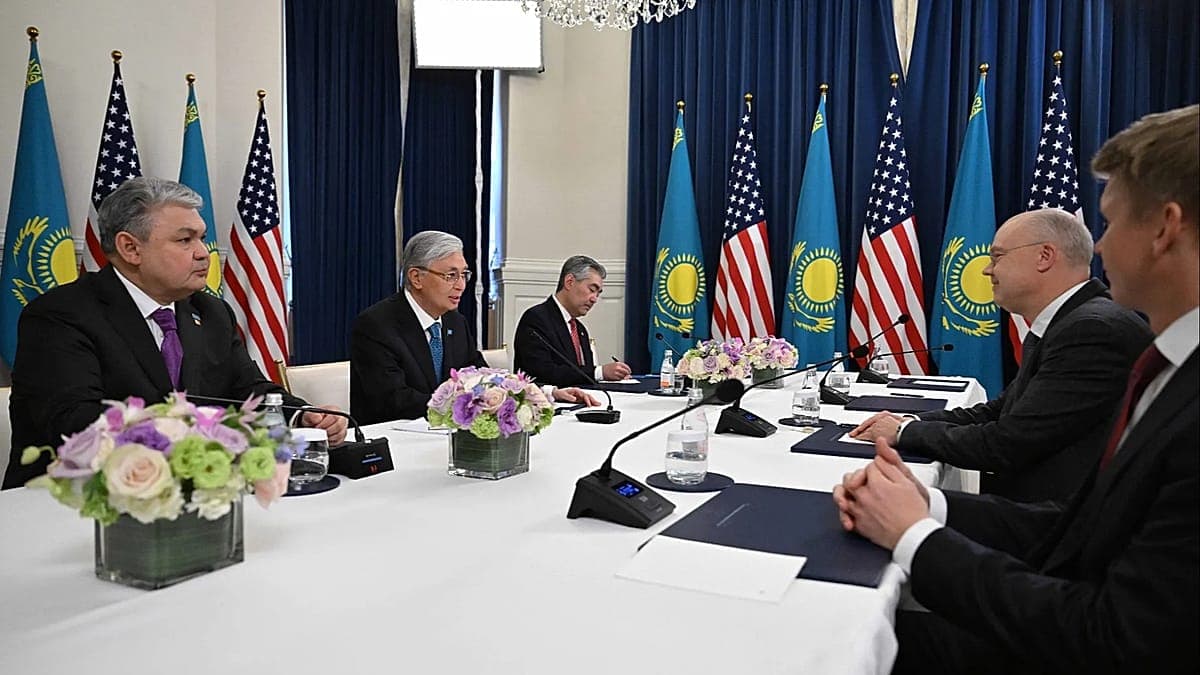
During a Washington visit, Kazakhstan President Kassym-Jomart Tokayev signed an investment agreement between the Kazakh Agriculture Ministry and Mars worth $180 million to build a pet‑food production plant in Alatau. The deal marks a major US‑Kazakhstan partnership and is part of broader investment initiatives announced at the Board of Peace meeting.
0
Comments
Want to join the conversation?
Loading comments...