Freeform Raises $67M Series B to Scale up Laser AI Manufacturing
•February 19, 2026
0

Companies Mentioned


Why It Matters
The infusion of capital and AI‑driven hardware positions Freeform to scale additive manufacturing at enterprise speed, reshaping supply chains for high‑performance metal parts. Its approach could set new standards for throughput and quality in the burgeoning manufacturing‑as‑a‑service market.
Key Takeaways
- •$67M Series B funding led by top venture firms.
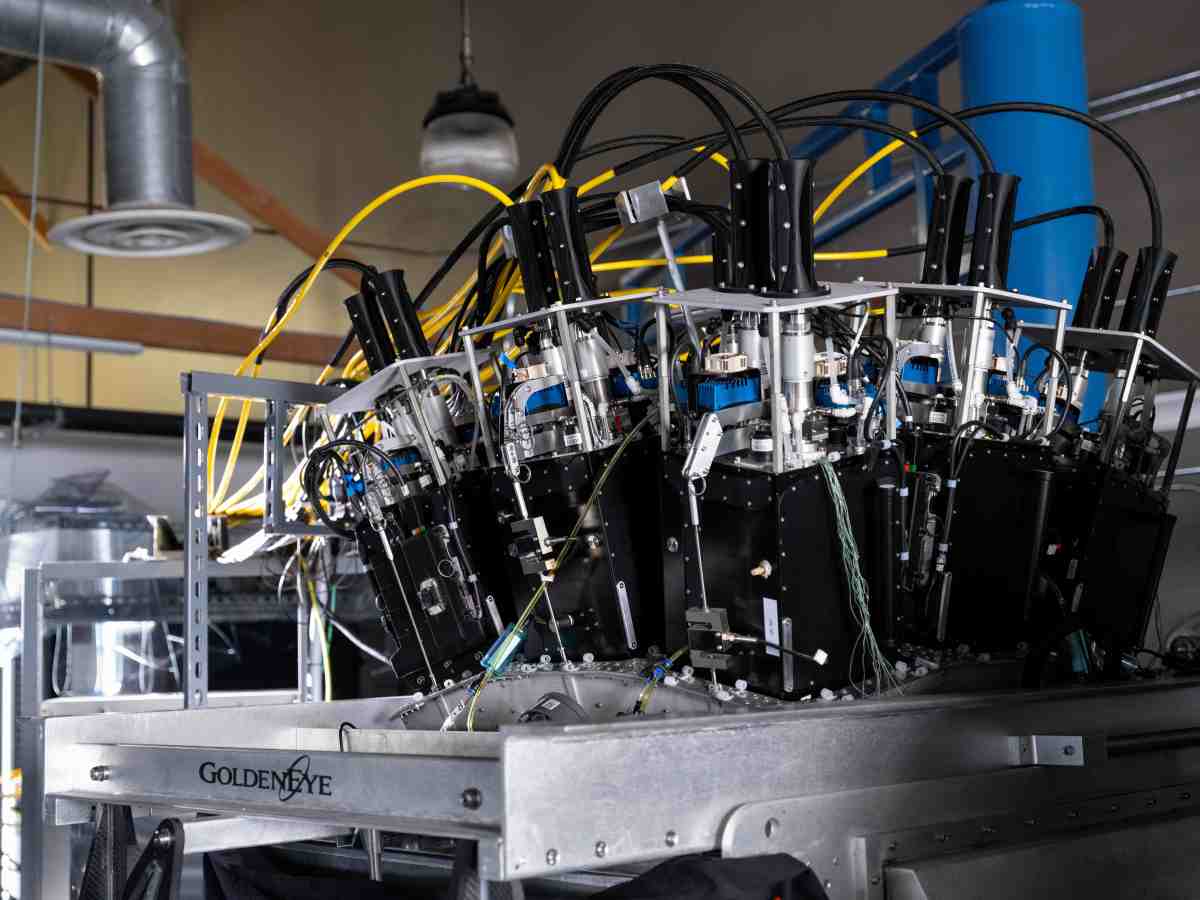
- •Skyfall system uses hundreds of lasers for mass production.
- •AI-native platform runs Nvidia H200 GPUs for real-time simulations.
- •Company plans to hire 100 employees and expand facility.
- •Manufacturing-as-a-service sector sees billion-dollar valuations.
Pulse Analysis
Additive manufacturing is entering a pivotal phase where speed, precision, and cost‑effectiveness converge. Traditional metal 3D printers excel at prototyping but struggle with volume production, limiting their appeal for large‑scale industrial use. Recent advances in AI and high‑performance computing enable real‑time process monitoring, predictive adjustments, and data‑driven optimization, turning what was once a niche capability into a viable mass‑production technology. This shift is attracting both hardware innovators and software specialists eager to capture a share of the $15‑billion market forecast for metal additive manufacturing by 2030.
Freeform’s Skyfall platform embodies this evolution by marrying a dense array of lasers with Nvidia’s H200 GPU clusters to run physics‑based simulations on the fly. The company’s claim of possessing the most granular data on metal‑printing physics gives it a competitive edge in defect detection and part consistency, critical for aerospace, defense, and energy sectors. By embedding AI directly into the manufacturing loop, Freeform can dynamically tune laser parameters, reduce material waste, and accelerate part certification, addressing long‑standing barriers to adoption.
The recent Series B round, backed by heavyweight venture firms and strategic investors like NVentures, underscores confidence in this AI‑first manufacturing model. With plans to expand its workforce and facility, Freeform is poised to meet a growing backlog of contracts, signaling a broader industry trend toward manufacturing‑as‑a‑service platforms that offer on‑demand, high‑volume metal parts. As competitors such as Hadrian and VulcanForms also secure multibillion‑dollar valuations, the sector is likely to see intensified consolidation, strategic partnerships, and rapid innovation cycles, reshaping supply chains across high‑tech industries.
Freeform raises $67M Series B to scale up laser AI manufacturing
0
Comments
Want to join the conversation?
Loading comments...