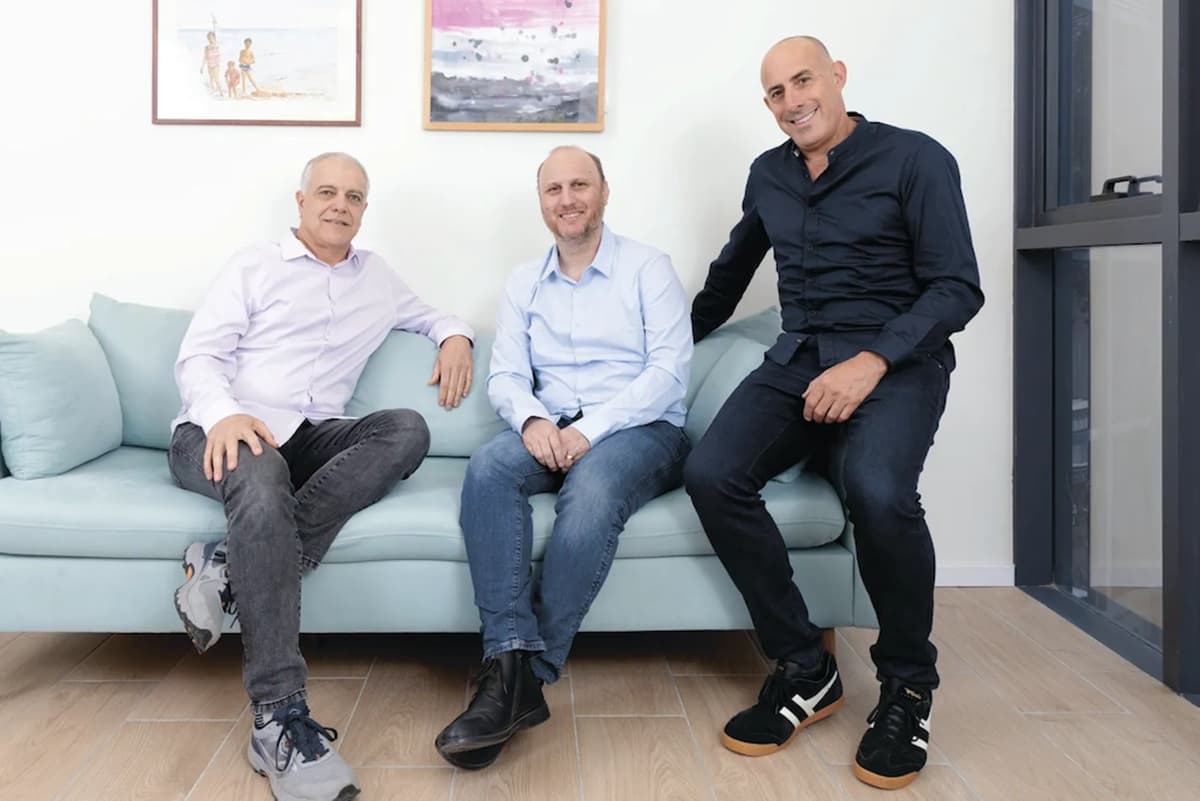
Quantum Art Adds $40M in Funding to Scale Quantum Computing Systems
Why It Matters
The infusion accelerates the development of trapped‑ion processors, a technology seen as a path to more reliable quantum computers, and strengthens the U.S. position in the global quantum race.
Key Takeaways
- •Series A total reaches $140 million, led by Bedford Ridge Capital.
- •Funding adds $40 million to original $100 million round.
- •New investors include Hudson Bay Capital and Poalim Equity.
- •Capital will accelerate trapped‑ion hardware scaling.
- •Positions Quantum Art among top‑tier quantum startups.
Pulse Analysis
The $140 million Series A that Quantum Art closed this week marks one of the largest single‑round investments in trapped‑ion quantum computing to date. Led by Bedford Ridge Capital, the round attracted a mix of venture firms and strategic investors such as Hudson Bay Capital, Poalim Equity, LIP Ventures, Wolverine Global Ventures, and IDA Ventures. By tacking on an extra $40 million to the original $100 million pledge, the company signals strong confidence from both U.S. and international capital markets in its approach to building scalable, high‑fidelity qubits.
Trapped‑ion technology promises longer coherence times and lower error rates than competing superconducting platforms, but scaling the architecture from a handful of ions to hundreds remains a costly engineering challenge. Quantum Art plans to allocate the new capital toward expanding its clean‑room facilities, automating ion‑trap assembly, and hiring additional quantum‑control engineers. The infusion also supports the development of a modular hardware stack that can be linked to create larger quantum processors, a roadmap that could shorten the timeline for achieving quantum advantage in chemistry and materials science.
The funding round underscores a broader shift in the quantum ecosystem, where investors are increasingly betting on diversified hardware strategies rather than a single dominant technology. For the United States, bolstering domestic trapped‑ion capabilities helps preserve strategic leadership amid rising competition from Europe and Asia. As Quantum Art moves toward commercial‑grade systems, its progress could unlock new cloud‑based quantum services for enterprise customers, driving a cascade of downstream software and algorithm investments across finance, logistics, and drug discovery.
Quantum Art adds $40M in funding to scale quantum computing systems
Comments
Want to join the conversation?
Loading comments...