STACKUP: The Stack's Weekly Tech Startups and Funding Wrap
Why It Matters
Massive capital inflows into quantum hardware and AI‑driven insurance signal accelerating commercialization of frontier technologies, reshaping competitive dynamics across Europe, China, and the U.S.
Key Takeaways
- •QuantWare secured $110 million Series B to scale quantum chip production.
- •Europe's quantum sector attracted over $200 million in new capital this week.
- •Chinese AI lab announced breakthrough model, intensifying global AI race.
- •Corgi's $1.3 billion Series B valuation signals rapid growth in AI insurance.
Pulse Analysis
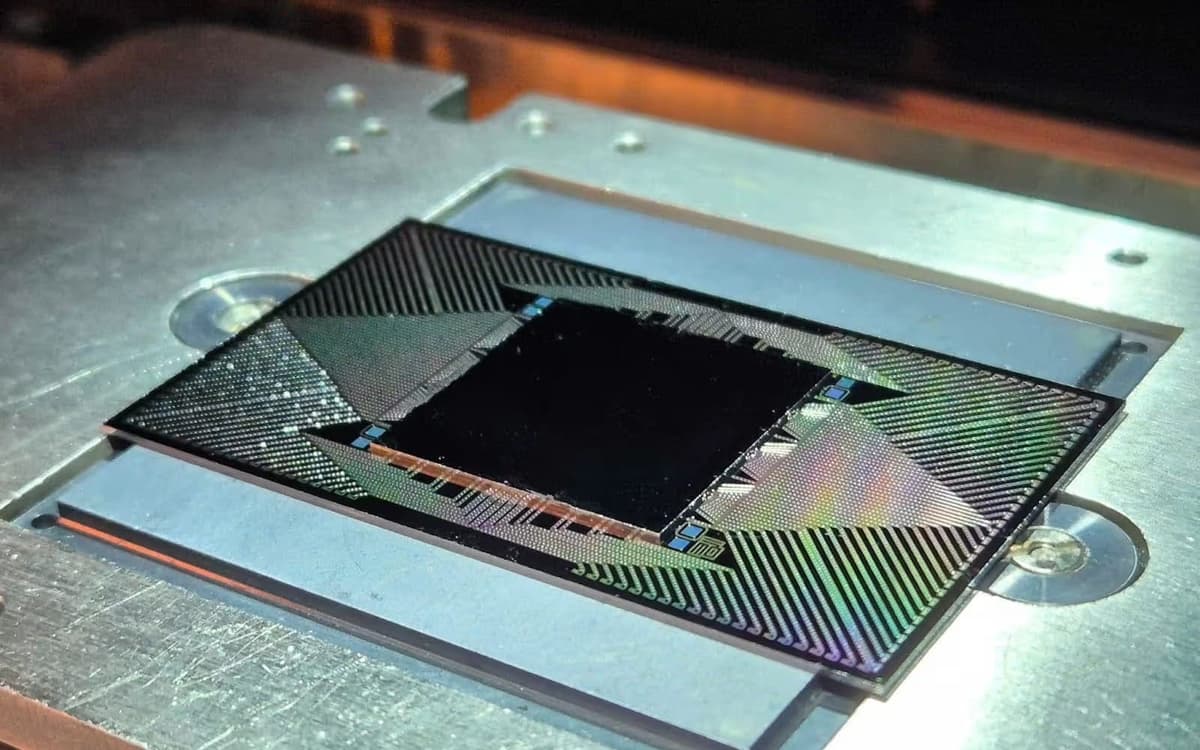
Europe’s quantum ecosystem is entering a scaling phase, as evidenced by two firms each pulling in more than $100 million this week. QuantWare, a Dutch startup, leveraged a $110 million Series B to transition from prototype to volume manufacturing of superconducting processors. This influx not only validates the continent’s strategic push for quantum sovereignty but also positions European hardware as a viable alternative to U.S. and Asian rivals, attracting talent and downstream software developers.
Across the Pacific, a Chinese AI laboratory disclosed a next‑generation model that claims superior language understanding and multimodal capabilities. The announcement arrives amid a crowded field of AI coding platforms that are democratizing software development, from low‑code editors to generative code assistants. The Chinese breakthrough intensifies the geopolitical AI contest, prompting investors to reassess risk‑adjusted exposure to both domestic and foreign AI ventures while highlighting the importance of cross‑border talent pipelines.
In the insurance arena, Corgi’s $1.3 billion Series B valuation marks a watershed for AI‑enabled underwriting and claims automation. By embedding predictive analytics into policy pricing, Corgi is reducing friction for consumers and opening new profit avenues for insurers. The sizable round reflects investor confidence that AI can overhaul legacy insurance processes, and it may spur further consolidation as incumbents seek tech partnerships. Together, these developments illustrate a broader trend: deep‑tech startups are moving from experimental labs to capital‑rich growth stages, reshaping market structures and creating fresh opportunities for strategic investors.
STACKUP: The Stack's weekly tech startups and funding wrap
Comments
Want to join the conversation?
Loading comments...