7 Quick Sensory Activities to Habit Stack for Regulating Kids
Key Takeaways
- •Weighted lap pads deliver quick proprioceptive calming bursts
- •Crawling transitions turn routine changes into sensory resets
- •Vibrating tools can both alert and soothe children
- •Portable fidgets support focus in cars, stores, classrooms
- •Intentional movement breaks sedentary periods, boosting regulation
Pulse Analysis
Children who struggle with self‑regulation often exhibit sudden outbursts, difficulty concentrating, or sensory overload. Parents and educators are increasingly turning to sensory integration techniques that can be woven into everyday routines rather than scheduled therapy sessions. The concept of habit‑stacking—pairing a brief sensory cue with an existing activity—offers a low‑effort pathway to deliver the needed proprioceptive or vestibular input at the moment it is most effective. By embedding these micro‑interventions into transitions, meals, or travel, families can maintain a calmer environment without overhauling their schedule.
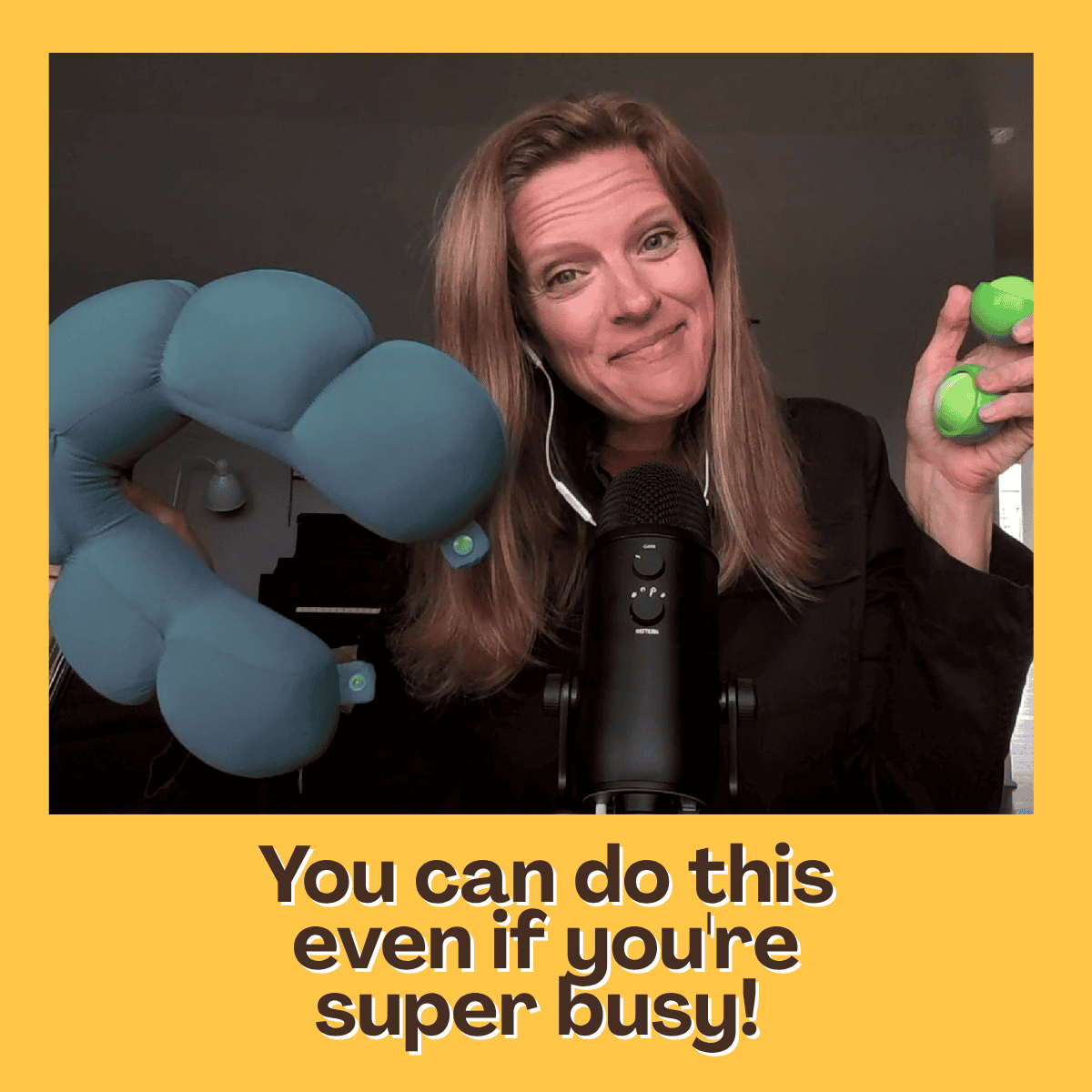
Research in occupational therapy confirms that short bursts of pressure, vibration, or coordinated movement can reset the nervous system and improve attention spans. Weighted lap pads, for instance, provide deep‑pressure stimulation that activates the parasympathetic response, while a quick crawling race engages bilateral motor planning and releases excess adrenaline. Simple tools such as vibrating neck pillows or handheld fidgets serve as portable regulators, allowing children to self‑adjust in noisy classrooms or car rides. Even something as basic as drinking water through a thick straw supplies oral‑motor feedback that supports mood stability.
As these strategies gain traction, schools are incorporating balance boards and movement breaks into daily schedules, recognizing that sensory regulation directly impacts academic performance. Technology developers are also creating smart wearables that deliver calibrated pressure or vibration based on biometric cues, promising a more personalized approach. For parents, the key takeaway is that consistency beats complexity; selecting two or three favorite sensory hacks and applying them predictably can build neural pathways for self‑control. Over time, habit‑stacked sensory moments lay the groundwork for resilient, focused learners in an increasingly overstimulated world.
7 Quick Sensory Activities to Habit Stack for Regulating Kids
Comments
Want to join the conversation?