
A Stoic Meditation on Perception
Key Takeaways
- •Stoics view perception as gateway to virtue and tranquility
- •Intentional awareness prevents unconscious emotional reactions
- •External events shape beliefs only through personal interpretation
- •Practicing mindful perception aligns actions with rational nature
Pulse Analysis
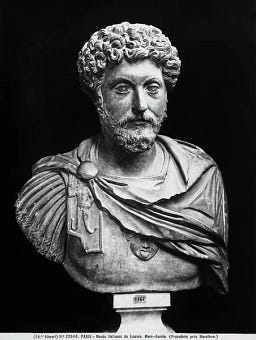
Stoic philosophy treats perception as the bridge between external events and internal virtue. Marcus Aurelius reminds readers that the "things that happen" are only as powerful as the way we interpret them. In ancient Rome, this meant training the mind to see obstacles as opportunities for moral development, a practice that resonates with modern cognitive‑behavioral approaches. By recognizing that our senses and intuitions generate beliefs, Stoics argue we can choose whether those beliefs serve reason or stir unnecessary turmoil.
Today, neuroscience confirms that perception filters reality through neural pathways shaped by past experiences and expectations. When we react automatically to a harsh comment or a fleeting scent, we are often acting on subconscious narratives rather than objective facts. Intentional awareness—central to Stoic meditation—interrupts this loop, allowing us to reframe stimuli before they solidify into limiting beliefs. This mental pause reduces stress, improves emotional regulation, and aligns actions with long‑term goals, a benefit prized by executives and mental‑health professionals alike.
Practical application begins with simple habits: pause to label the raw sensation, then observe the story your mind constructs. Journaling, breathwork, or brief reflective walks can sharpen this skill, turning daily encounters into data for personal growth. Leaders who model mindful perception foster cultures where feedback is processed constructively, boosting collaboration and resilience. In a world saturated with information, the Stoic discipline of examining perception offers a timeless toolkit for navigating uncertainty with clarity and purpose.
A Stoic Meditation on Perception
Comments
Want to join the conversation?