
A Stoic Path Beyond Addiction
Key Takeaways
- •Addiction is portrayed as a mental obstacle, not just a physical disease
- •Stoic mindset urges confronting pain directly to foster lasting sobriety
- •Self‑exploration, honesty, and vulnerability are essential recovery steps
- •The recovery journey is likened to climbing toward freedom
Pulse Analysis
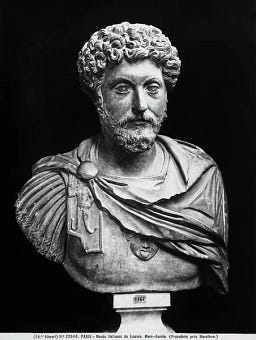
Stoic philosophy, long celebrated for its emphasis on resilience, is gaining traction as a complementary lens for addiction recovery. By interpreting Marcus Aurelius' counsel—"the obstacle becomes the way"—individuals can reframe cravings and withdrawal symptoms as opportunities for growth rather than insurmountable barriers. This mental shift aligns with contemporary therapeutic models that prioritize acceptance and mindfulness, offering a cost‑effective, self‑directed tool that can augment traditional rehab programs.
The practical application of Stoic principles involves a series of deliberate actions: acknowledging the reality of addiction, confronting uncomfortable emotions, and deliberately choosing responses that reinforce long‑term health. Techniques such as journaling, reflective meditation, and cognitive reframing echo the ancient practice of examining one’s judgments, helping sufferers dismantle denial and avoid relapse triggers. When combined with evidence‑based treatments—behavioral therapy, medication‑assisted recovery, and peer support—Stoic practices can deepen self‑awareness and sustain motivation during the most grueling phases of detox and early sobriety.
Beyond individual benefit, framing recovery as a Stoic journey has broader societal implications. It reduces stigma by positioning addiction as a universal human challenge that can be met with rational agency, encouraging employers and policymakers to support holistic wellness programs. As more narratives emerge linking ancient philosophy with modern mental‑health strategies, the conversation shifts toward integrated care models that respect both scientific and philosophical pathways to lasting freedom from addiction.
A Stoic Path Beyond Addiction
Comments
Want to join the conversation?