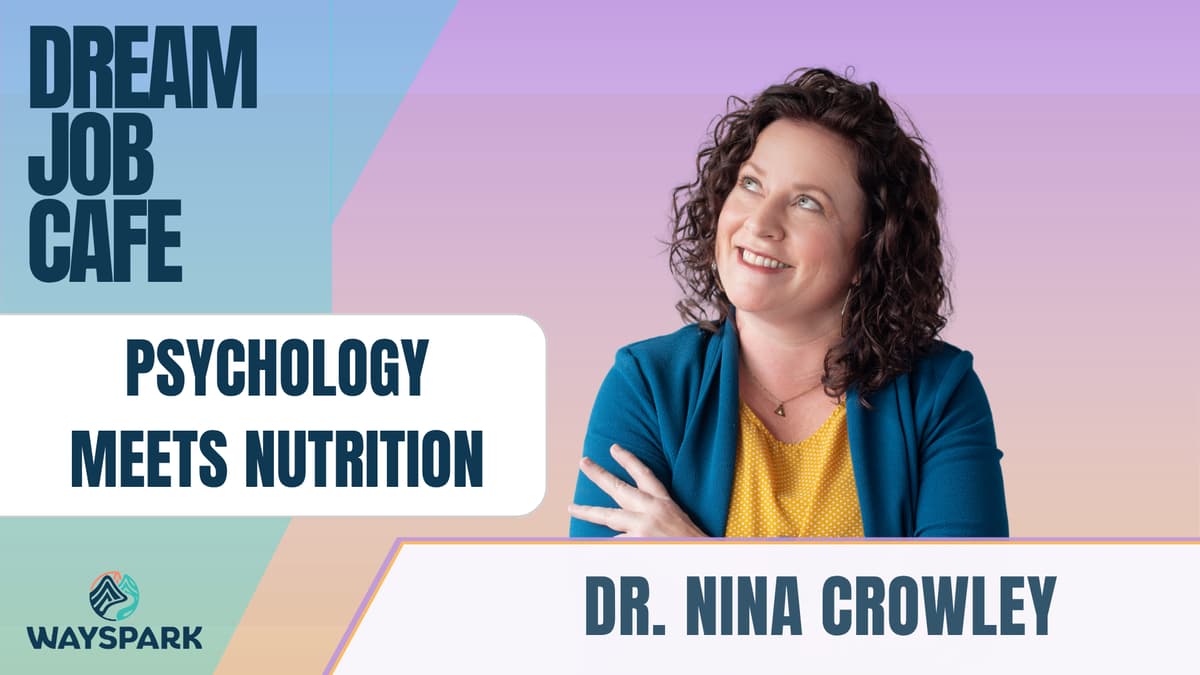
Beyond the Clinical Grind: Discovering Your Niche as a “Psychodietitian”
Key Takeaways
- •Body‑composition scales enable clinicians to assess muscle, fat, bone, not just weight
- •Hybrid dietitian‑psychology skill set meets rising demand for obesity‑care expertise
- •Sika leverages thought‑leadership webinars to drive device adoption and brand credibility
- •Career path: clinical practice → research → program management → industry education
- •Flexible schedules and virtual platforms make dietitian careers family‑friendly
Pulse Analysis
The obesity epidemic has pushed manufacturers of diagnostic tools to seek clinicians who can interpret nuanced data. Body‑composition devices—using bio‑electric impedance, water displacement or DEXA scans—provide a richer picture of a patient’s health than BMI alone. Companies like Sika are capitalizing on this trend by pairing technology with education, positioning their equipment as essential for personalized weight‑management programs. By showcasing real‑world case studies in webinars and podcasts, they create a feedback loop that accelerates adoption and generates recurring revenue from training services.
Professionals with dual expertise in nutrition and psychology are uniquely qualified to bridge the gap between raw metrics and patient motivation. Dr. Nina Crowley's journey—from bariatric dietitian to health‑psychology researcher and now industry thought‑leader—illustrates a viable career blueprint for RDs seeking higher impact and better work‑life balance. Certification pathways, such as the Academy of Nutrition and Dietetics’ obesity specialty, combined with advanced degrees, equip practitioners to interpret body‑composition data, counsel on behavior change, and influence product development.
For the broader healthcare labor market, this hybrid role signals a diversification of talent pipelines. Employers are rewarding clinicians who can translate complex analytics into actionable insights, driving both clinical outcomes and commercial growth. As insurers and providers increasingly demand evidence‑based obesity interventions, the demand for psychodietitians who can integrate technology, research, and patient‑centered communication will likely outpace traditional dietitian roles, reinforcing the sector’s reputation as a resilient source of job creation.
Beyond the Clinical Grind: Discovering Your Niche as a “Psychodietitian”
Comments
Want to join the conversation?