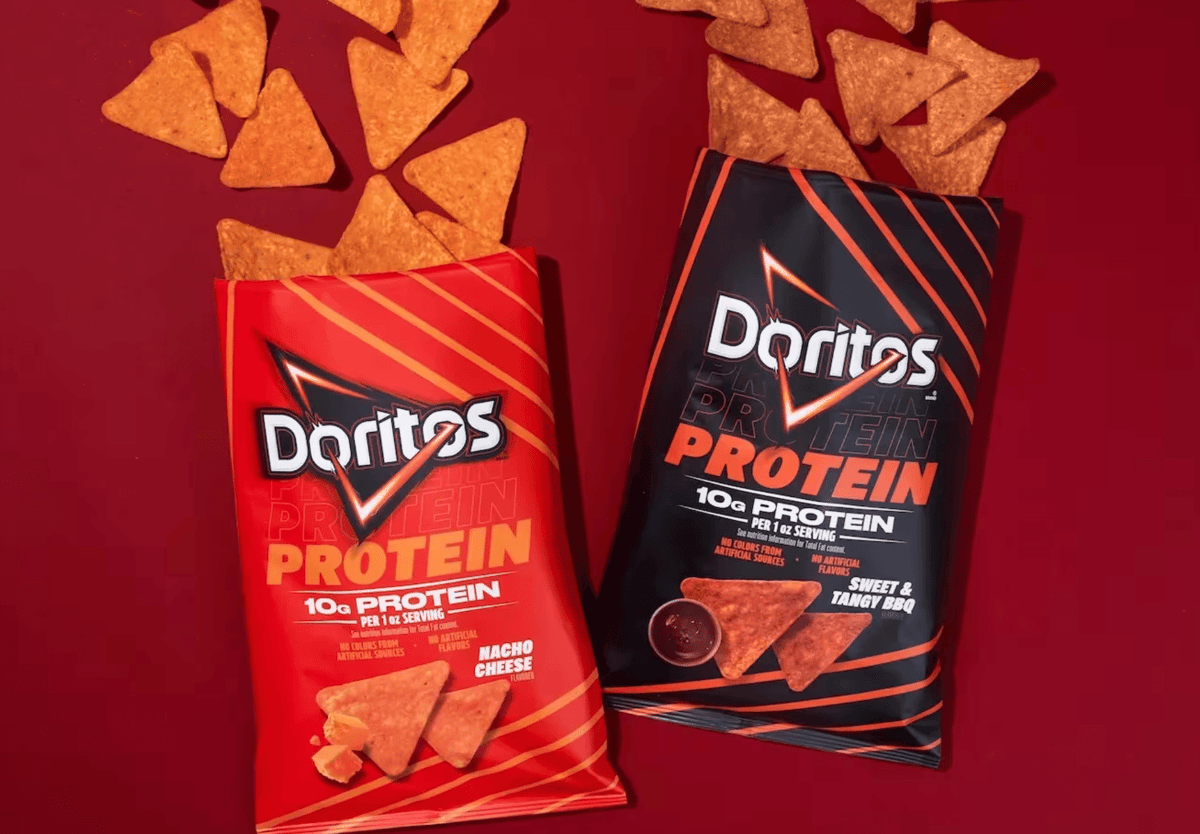
Boy Kibble: Muscle-Building Protein Maxxing Is the Latest Male Health Delusion
Key Takeaways
- •Protein‑heavy meals dominate grocery aisles and social media feeds.
- •Average American adult already meets recommended daily protein levels.
- •‘Protein maxxing’ targets young men seeking rapid muscle gains.
- •Experts warn overconsumption may strain kidneys and increase costs.
- •Market growth fuels new product lines, prompting possible regulatory review.
Pulse Analysis
The past two years have seen a surge of protein‑focused foods that cater to a growing “muscle‑building” aesthetic among men in their twenties and thirties. From protein‑infused popcorn to ready‑to‑drink protein water, brands package the nutrient as a lifestyle badge, co‑opting hashtags like #proteinmaxxing and #boykibble. Influencers showcase hyper‑lean meals that consist almost entirely of whey, casein, or plant isolates, creating a perception that more protein equals faster gains. This marketing wave taps into broader societal pressures for discipline, performance, and an idealized physique.
Scientific consensus, however, tells a different story. The Dietary Guidelines for Americans recommend 0.8 g of protein per kilogram of body weight, a level that the average adult already surpasses through conventional diets rich in meat, dairy, and legumes. Over‑emphasizing protein can displace other essential macronutrients, elevate saturated fat intake, and, in extreme cases, strain renal function. Researchers also note that the “bro‑science” advice circulating online often ignores individual variability, training intensity, and overall caloric balance, making blanket recommendations risky.
For the food industry, the protein craze represents a multi‑billion‑dollar growth opportunity, prompting major manufacturers to launch dedicated lines and venture capital to fund niche startups. Yet the rapid product proliferation raises regulatory eyebrows, as the FDA and FTC scrutinize health claims and labeling accuracy. Consumers, meanwhile, face higher price points for specialty items that may offer little nutritional advantage over whole‑food sources. As the market matures, transparent education and evidence‑based marketing will be crucial to align profit motives with public health.
Boy Kibble: Muscle-building protein maxxing is the latest male health delusion
Comments
Want to join the conversation?