
British Columbia Leads By Example, Passing Law That Mandates Creation Of Health Screenings For Wildland Firefighters.
Key Takeaways
- •BC mandates province‑wide health screening program for wildland firefighters
- •Act includes review of occupational disease presumptions for cancer and mental health
- •Unanimous legislative support marks rare private‑member bill success in 40 years
- •Program aims to catch illnesses early despite insurance gaps among firefighters
Pulse Analysis
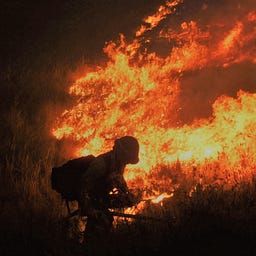
Wildland firefighters face a unique blend of physical and psychological hazards. Repeated exposure to particulate matter, toxic chemicals, and extreme heat elevates risks for respiratory disease, various cancers, and post‑traumatic stress disorder. Studies in Canada and the United States consistently show higher incidence of lung and skin cancers among this cohort, while mental‑health surveys reveal elevated rates of anxiety and depression. Yet, preventive screening has lagged, largely because many firefighters lack comprehensive health insurance and because occupational health policies have been fragmented.
The Firefighters’ Health Act represents a watershed moment for occupational health policy in Canada. By mandating a province‑wide screening framework, British Columbia commits resources to systematic cancer, cardiovascular, and mental‑health assessments for eligible crew members. The act also triggers a review of existing occupational disease presumptions, potentially expanding compensation eligibility for conditions previously deemed unrelated to firefighting. Compared with other provinces—such as Alberta, which relies on employer‑driven programs—BC’s approach centralizes data collection, standardizes protocols, and ensures continuity of care regardless of an individual’s insurer.
Industry stakeholders are watching closely, as the legislation could set a precedent for nationwide standards. Early detection programs promise to lower long‑term treatment costs, reduce absenteeism, and improve overall workforce resilience. However, implementation challenges remain, including funding allocation, coordination with remote fire districts, and ensuring equitable access for volunteer firefighters. If BC successfully navigates these hurdles, the model may be replicated across North America, prompting a shift toward proactive health management for one of the most essential yet vulnerable public‑service professions.
British Columbia Leads By Example, Passing Law That Mandates Creation Of Health Screenings For Wildland Firefighters.
Comments
Want to join the conversation?