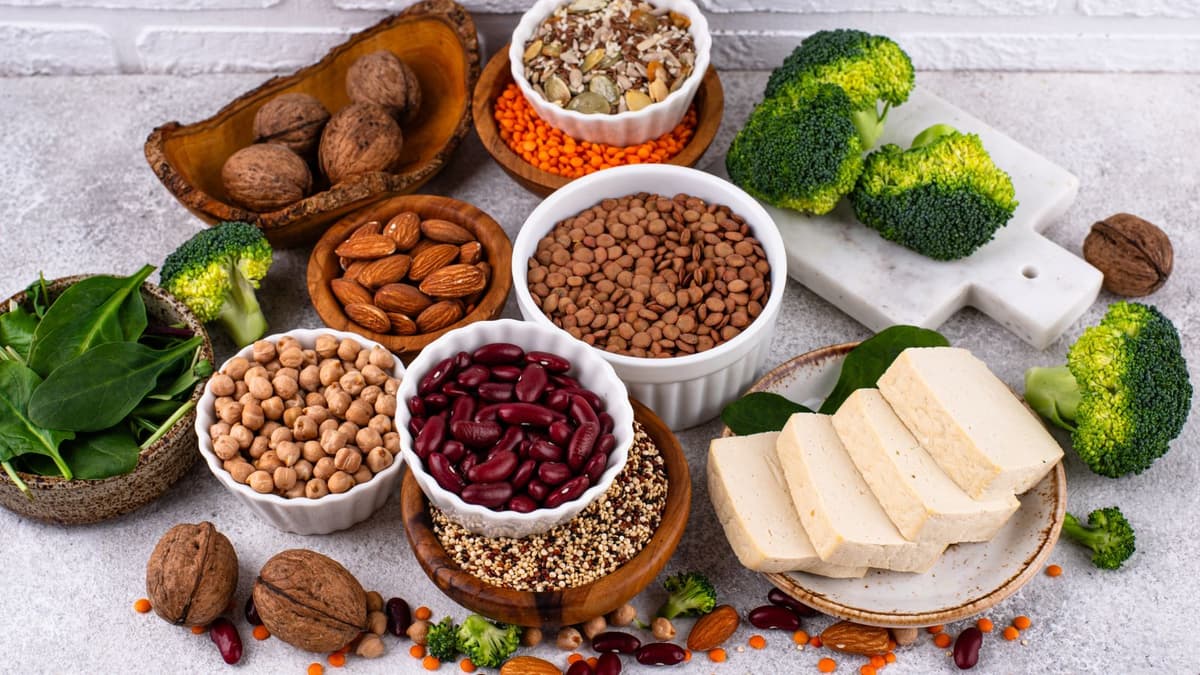
Managing Autoimmune Disease – the Evidence for a Whole Food Plant-Based Diet
Key Takeaways
- •Autoimmune disease affects 10% of UK, ~6.9 million people
- •Dysbiosis links gut microbiome imbalance to autoimmune inflammation
- •WFPB diet boosts fiber, SCFA, and polyphenols for immune support
- •Gradual fiber increase reduces bloating when transitioning to plant‑based
- •Beans, legumes, and seasonal produce offer affordable nutrition options
Pulse Analysis
Autoimmune disorders are now as prevalent as heart disease and diabetes in the United Kingdom, affecting millions and imposing substantial economic and personal costs. Yet, unlike cardiovascular or metabolic conditions, there is no standardized dietary guideline for autoimmunity. Recent research highlights the gut microbiome as a pivotal mediator; an imbalanced, pro‑inflammatory microbiota—often a product of a Western diet rich in saturated fats, refined sugars, and ultra‑processed foods—can trigger or worsen autoimmune attacks. By restoring microbial diversity, clinicians can address a root cause rather than merely managing symptoms.
A whole‑food plant‑based (WFPB) approach directly targets the microbiome through high‑quality fiber, resistant starch, and polyphenols found in fruits, vegetables, legumes, nuts, and whole grains. Fermentation of this fiber produces short‑chain fatty acids that reinforce gut barrier function and modulate immune pathways, while plant polyphenols act as antioxidants and pre‑biotics. Clinical trials in multiple sclerosis, rheumatoid arthritis, lupus and inflammatory bowel disease consistently report reduced disease activity, lower fatigue, and improved quality of life after several months on a WFPB regimen. These outcomes suggest that dietary modification can complement disease‑modifying therapies, potentially lowering medication reliance and associated side‑effects.
Implementation challenges remain. Patients may experience temporary bloating from increased fermentable fiber, and socioeconomic barriers can limit access to fresh produce. However, cost‑effective staples such as beans, lentils, and seasonal vegetables provide affordable nutrition, and strategic supplementation (B12, iodine, vitamin D) ensures completeness. Healthcare providers who integrate nutrition counseling into autoimmune care can differentiate their practice, while food companies that develop convenient, plant‑forward products stand to capture a growing, health‑conscious market segment. As evidence mounts, a WFPB diet is poised to become a cornerstone of holistic autoimmune management.
Managing autoimmune disease – the evidence for a whole food plant-based diet
Comments
Want to join the conversation?