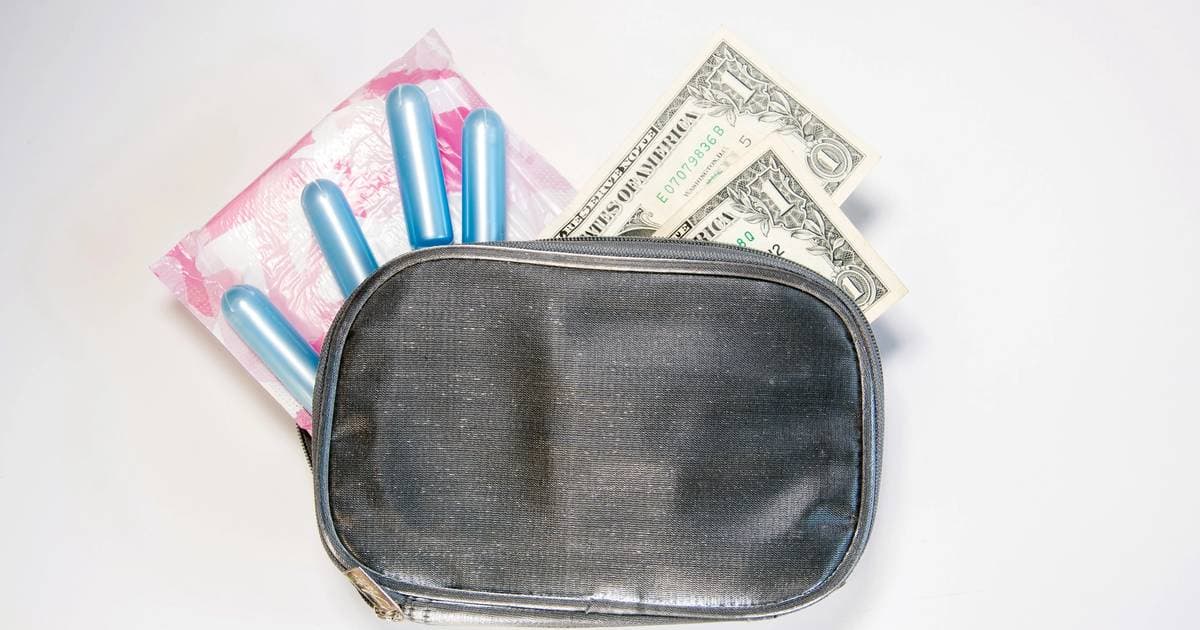
Menstrual Health Continues to Be a Taboo Topic at Work. HR Can Help Change That.
Key Takeaways
- •63% of companies lack free period products in restrooms
- •Only 20% of menstruating employees feel comfortable discussing needs with managers
- •Under half of employers offer menstrual leave or products, per RMH Compass
- •HR should embed menstrual leave into sick‑leave policies for clear coverage
- •Inconsistent product placement creates equity gaps between offices and warehouses
Pulse Analysis
The conversation around menstrual health in the workplace is finally emerging from the shadows, but data shows progress is uneven. Roughly 1.8 million people worldwide menstruate each month, and 10% report pain severe enough to miss work for up to three days. Yet a recent Reproductive and Maternal Health Compass study reveals that 63% of U.S. firms do not stock free period products, and only one‑fifth of menstruating employees feel safe raising the issue with managers. This silence translates into hidden costs: reduced productivity, higher turnover risk, and a perception that the organization undervalues a sizable portion of its workforce.
Human‑resources professionals sit at the nexus of policy, benefits, and facilities management, making them uniquely positioned to close these gaps. Embedding menstrual leave into existing sick‑leave frameworks provides clear, legally defensible coverage and removes the ambiguity that often deters employees from taking needed time off. Simultaneously, ensuring free products are stocked not just in corporate offices but also in warehouses and remote sites eliminates equity disparities that can erode morale. Collaboration between benefits teams and facilities managers is essential to create consistent, accessible solutions that align with broader diversity, equity, and inclusion initiatives.
From a strategic standpoint, normalizing menstrual health support can become a differentiator in talent acquisition and retention, especially as companies vie for younger, values‑driven workers. Transparent policies signal a commitment to holistic employee well‑being, which correlates with higher engagement scores and lower absenteeism. As more jurisdictions consider mandatory period‑leave legislation, proactive firms that already have robust programs will face fewer compliance hurdles and can position themselves as industry leaders in inclusive workplace practices.
Menstrual health continues to be a taboo topic at work. HR can help change that.
Comments
Want to join the conversation?