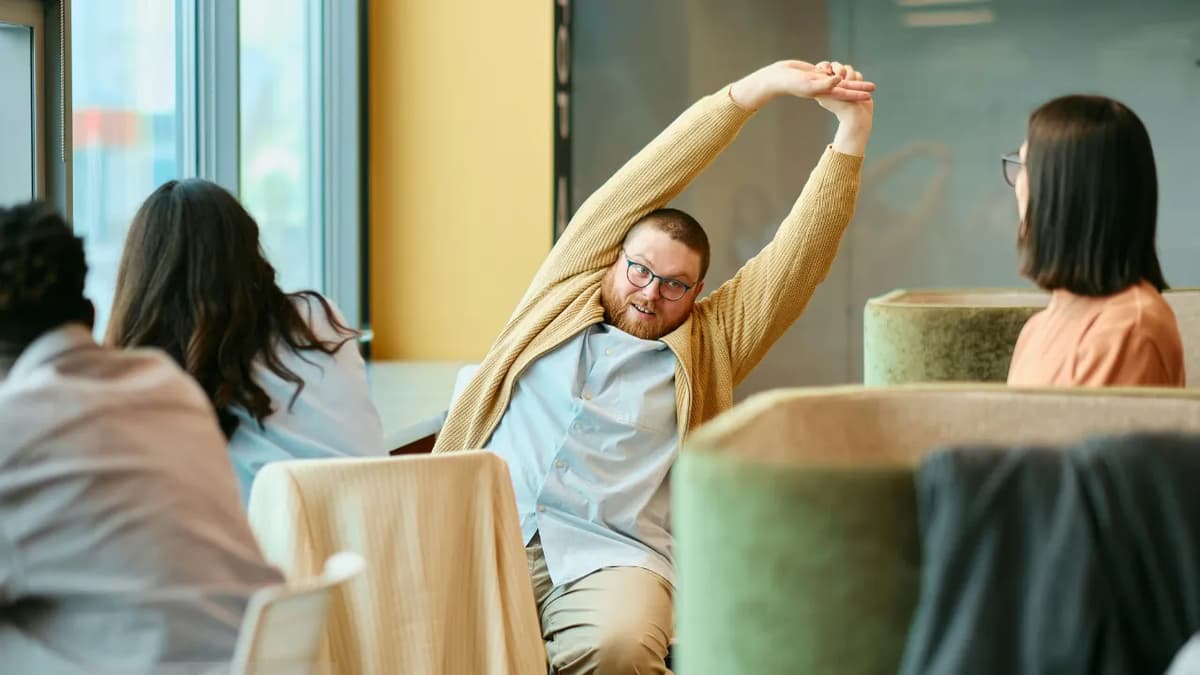
Remote Work Gave Employees Flexibility, Now Their Bodies Need It, Too
Key Takeaways
- •Remote work increased sitting time, raising health risk profile.
- •Assisted stretching cut pain for 78% of participants.
- •85% reported improved range of motion after 30‑day program.
- •Mobility breaks are emerging as core wellness strategy.
- •Companies adding standing desks and stretch services to retain talent.
Pulse Analysis
The shift to remote and hybrid work has reshaped daily routines, but it also entrenched a sedentary culture that many workers overlook. While eliminating commute time boosted flexibility, it also removed natural movement cues—walks to conference rooms, lunch‑break strolls, and incidental standing. Research links prolonged sitting to elevated risks of heart disease, metabolic disorders, and musculoskeletal degeneration, even among those who exercise outside work hours. Employers now face a paradox: the very flexibility that attracts talent can erode physical health, ultimately impacting engagement and absenteeism.
Enter practitioner‑assisted stretching, a service gaining traction as a targeted countermeasure. A peer‑reviewed study in the Journal of Musculoskeletal Disorders and Treatment tracked 30 days of Stretch Zone sessions and reported that 78% of participants felt less pain, 85% saw measurable gains in joint mobility, and two‑thirds reported higher energy and better sleep. The hands‑on approach differs from generic home routines by leveraging expert guidance to address tight hip flexors, shoulder caps, and lumbar stiffness—areas most compromised by desk work. By integrating these sessions into corporate wellness budgets, companies can offer evidence‑based relief that translates into smoother movement during daily tasks and reduced injury risk.
The broader implication is a redefinition of workplace wellness. Beyond ergonomic chairs and adjustable monitors, forward‑thinking firms are embedding movement into the workday: scheduled mobility breaks, standing‑desk clusters, and on‑site stretch zones are becoming as commonplace as coffee stations. This evolution not only mitigates health costs but also signals a culture that values holistic employee performance. As the line between home and office blurs, organizations that proactively address the physical toll of screen‑centric work will likely see higher retention, lower turnover, and a more resilient workforce.
Remote Work Gave Employees Flexibility, Now Their Bodies Need It, Too
Comments
Want to join the conversation?