Unrecognized Depression Is a Hidden Crisis in Medicine
Key Takeaways
- •Physicians detect only about 47% of depression cases.
- •Depression affects 5‑14% of primary‑care patients, higher in elders.
- •Unrecognized depression raises suicide risk and overall healthcare costs.
- •PHQ‑9 screening boosts detection when linked to treatment pathways.
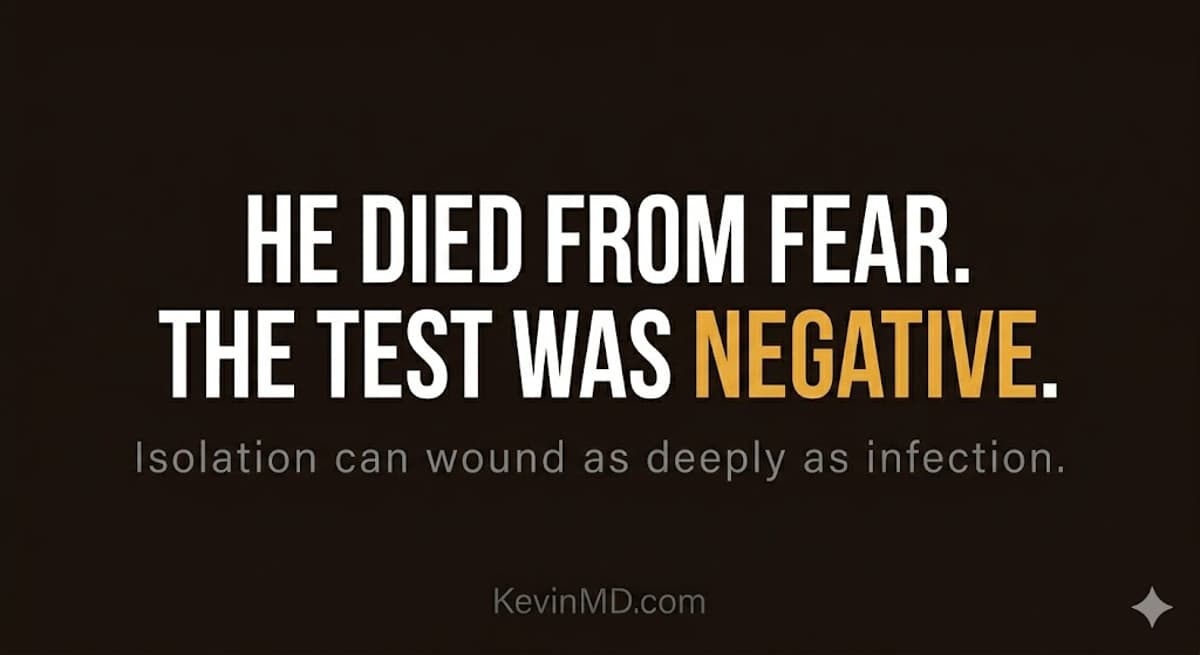
- •Pandemic isolation showed stigma can trigger fatal mental‑health crises.
Pulse Analysis
Depression’s silent prevalence is a financial and clinical liability for health providers. Meta‑analyses reveal that clinicians miss roughly half of depressive episodes, especially mild cases and among older adults. When depression goes undetected, patients experience worsening symptoms, increased emergency visits, and higher inpatient costs, while insurers face rising claim volumes. The hidden nature of the disorder also fuels a surge in suicide risk, a metric that directly influences hospital penalty programs and public‑health reporting.
Historical pandemics illustrate how stigma and isolation compound mental‑health crises. During the AIDS epidemic, a positive ELISA result triggered fear of moral judgment, while COVID‑19 patients faced similar shame over potential transmission. In both eras, preliminary test results acted as psychological verdicts, often before confirmatory testing could alleviate anxiety. These narratives underscore that patients interpret diagnostic uncertainty as personal failure, which can precipitate despair and, in extreme cases, suicide. Recognizing the emotional weight of a diagnosis is therefore as critical as managing the disease itself.
Effective mitigation requires more than screening tools like the PHQ‑9; it demands integrated, measurement‑based care models. When screening is paired with immediate referral pathways, collaborative‑care teams, and clinician training in empathetic communication, detection rates improve and treatment adherence rises. Health systems that embed mental‑health specialists within primary‑care settings see reduced readmission rates and lower overall costs. Investing in such infrastructure not only aligns with value‑based care incentives but also fulfills a moral imperative to address the hidden crisis of unrecognized depression.
Unrecognized depression is a hidden crisis in medicine
Comments
Want to join the conversation?