Why Weight Loss Isn’t the Key to Better Health (and What Is)
Key Takeaways
- •Regular enjoyable exercise boosts health independent of weight loss
- •Weight stigma increases cortisol, worsening cardiovascular and metabolic risk
- •Weight‑centric research often ignores fitness and long‑term outcomes
- •Weight‑inclusive approach focuses on habits, not body size
- •Social determinants affect health for all body types
Pulse Analysis
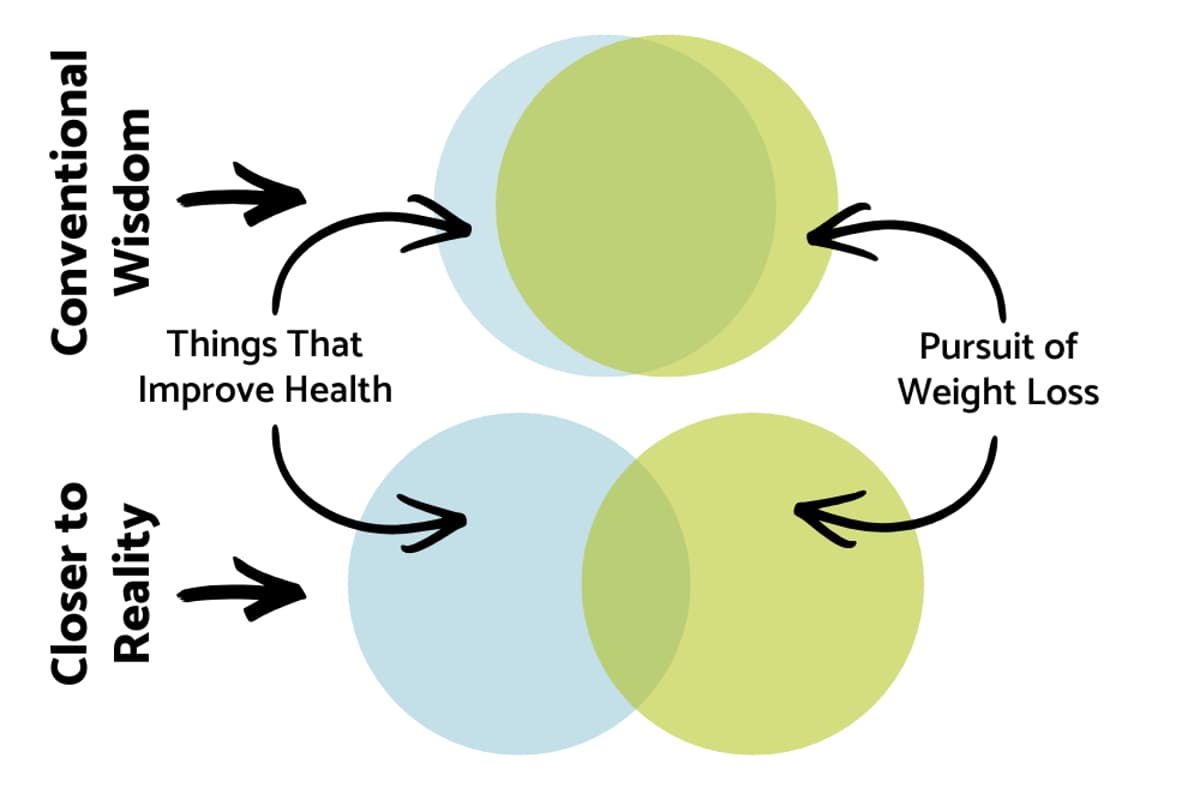
The prevailing narrative that weight loss equals health is being challenged by a growing body of research that separates body size from physiological well‑being. Studies consistently show that cardiorespiratory fitness—measured by aerobic capacity and regular activity—predicts lower rates of heart disease, diabetes, and mortality, regardless of a person’s weight. By emphasizing enjoyable, sustainable movement and balanced nutrition, individuals can achieve metabolic benefits without the pressure of shedding pounds. This evidence undermines the outdated belief that a lower number on the scale automatically translates into better health outcomes.
Weight stigma adds a hidden but powerful health burden. Discrimination and internalized bias trigger chronic stress responses, elevating cortisol levels that contribute to hypertension, insulin resistance, and even certain cancers. The stress of being judged for one’s size can also discourage people from seeking preventive care, leading to delayed diagnoses and poorer disease management. By recognizing stigma as a modifiable risk factor, clinicians and policymakers can design interventions that prioritize mental well‑being alongside physical health, thereby breaking the vicious cycle that links bias to adverse health metrics.
A weight‑inclusive framework reframes health goals around behaviors that benefit everyone, irrespective of body shape. The Diabetes Prevention Program illustrates this shift: participants who met physical‑activity targets reduced diabetes risk even when weight loss was modest. This model also acknowledges social determinants—housing, employment, access to care—that shape health outcomes for all populations. Practically, the approach encourages regular movement, sleep hygiene, stress‑reduction techniques, and supportive social networks, while rejecting restrictive diets that fuel weight cycling and nutrient deficiencies. Embracing these evidence‑based habits fosters lasting health improvements without the psychological toll of weight‑centric expectations.
Why weight loss isn’t the key to better health (and what is)
Comments
Want to join the conversation?