Why It Matters
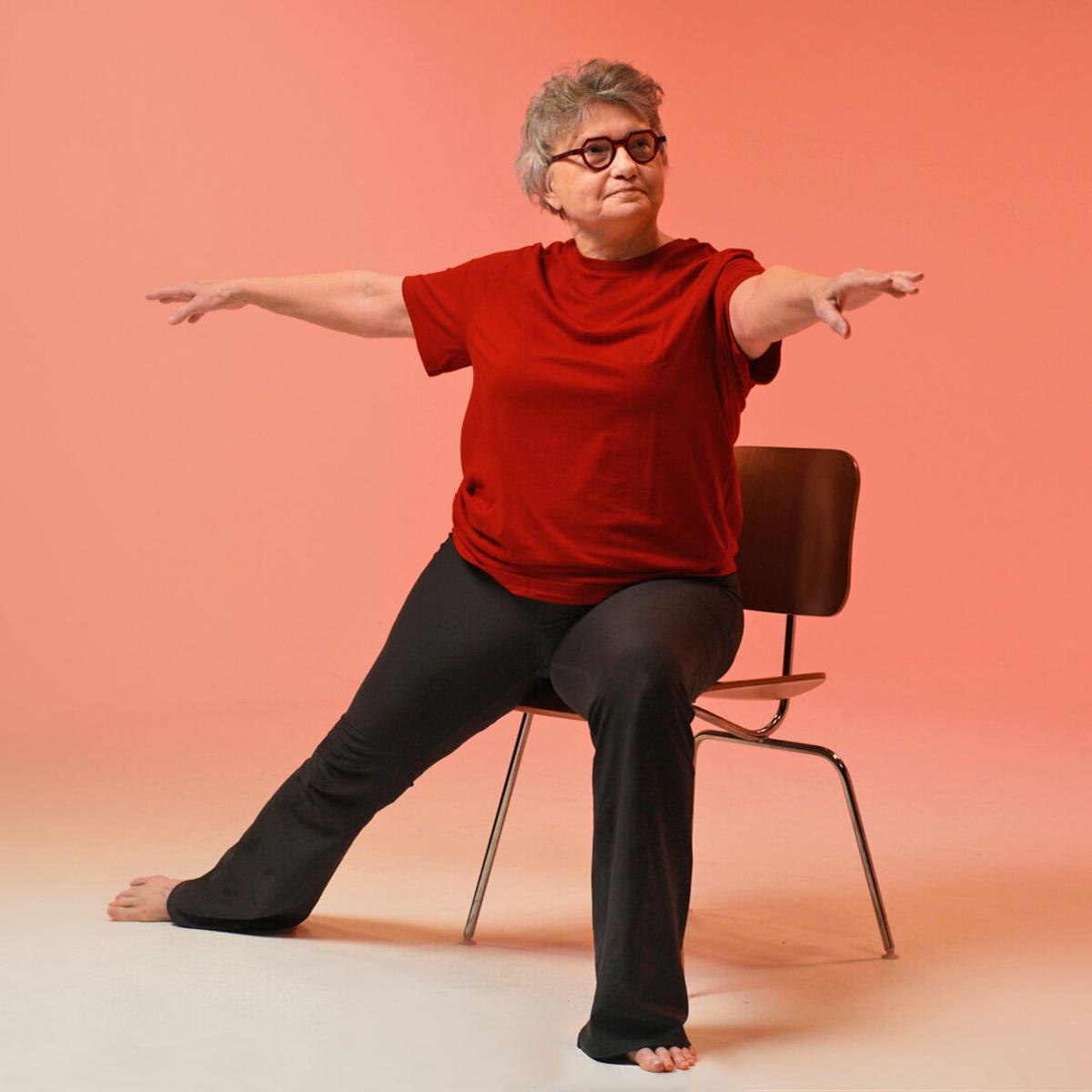
Chair yoga expands the wellness market to seniors and mobility‑restricted adults, supporting inclusive corporate and healthcare fitness initiatives.
Key Takeaways
- •Chair yoga offers low‑impact flexibility for limited‑mobility adults
- •Experts confirm benefits equal to traditional yoga for strength and breath
- •Seated poses aid beginners in mastering alignment before standing practice
- •Companies can integrate chair yoga into workplace wellness for aging workforce
Pulse Analysis
The rise of inclusive fitness solutions reflects shifting demographics: the U.S. Census projects that by 2030, one‑in‑four Americans will be 65 or older. This aging cohort, along with individuals managing chronic conditions, seeks low‑impact exercise that mitigates joint stress while still delivering measurable health gains. Chair yoga meets that demand by offering a seated platform that reduces fall risk yet preserves the core principles of traditional yoga—stretch, strength, and mindful breathing. As community centers, senior living facilities, and virtual studios adopt these routines, participation rates are climbing, signaling a broader cultural acceptance of adaptive movement.
Beyond accessibility, chair yoga delivers tangible physiological benefits. Studies from institutions such as Northumbria University show improvements in lumbar flexibility, lower‑body strength, and cardiovascular markers after just a few weeks of regular practice. The seated posture also enhances diaphragmatic breathing, which can lower cortisol levels and improve mental clarity—key outcomes for both newcomers and seasoned yogis seeking deeper body awareness. By isolating joint mechanics in a stable environment, practitioners can refine alignment before transitioning to standing poses, reducing injury risk and accelerating skill acquisition.
From a business perspective, the expanding chair‑yoga niche presents lucrative opportunities. Corporate wellness programs are integrating short, chair‑based sessions to accommodate an aging workforce and reduce ergonomic injuries. Health insurers are recognizing the cost‑saving potential of preventive, low‑impact exercise, prompting pilot reimbursements for virtual chair‑yoga classes. Meanwhile, digital platforms are launching subscription models that bundle adaptive yoga content with analytics dashboards for employers. As the market for inclusive fitness tools is projected to grow at double‑digit rates through 2028, early adopters who embed chair yoga into their service portfolios stand to capture a growing segment of health‑conscious consumers.
10-Minute Chair Yoga for Beginners
Comments
Want to join the conversation?
Loading comments...