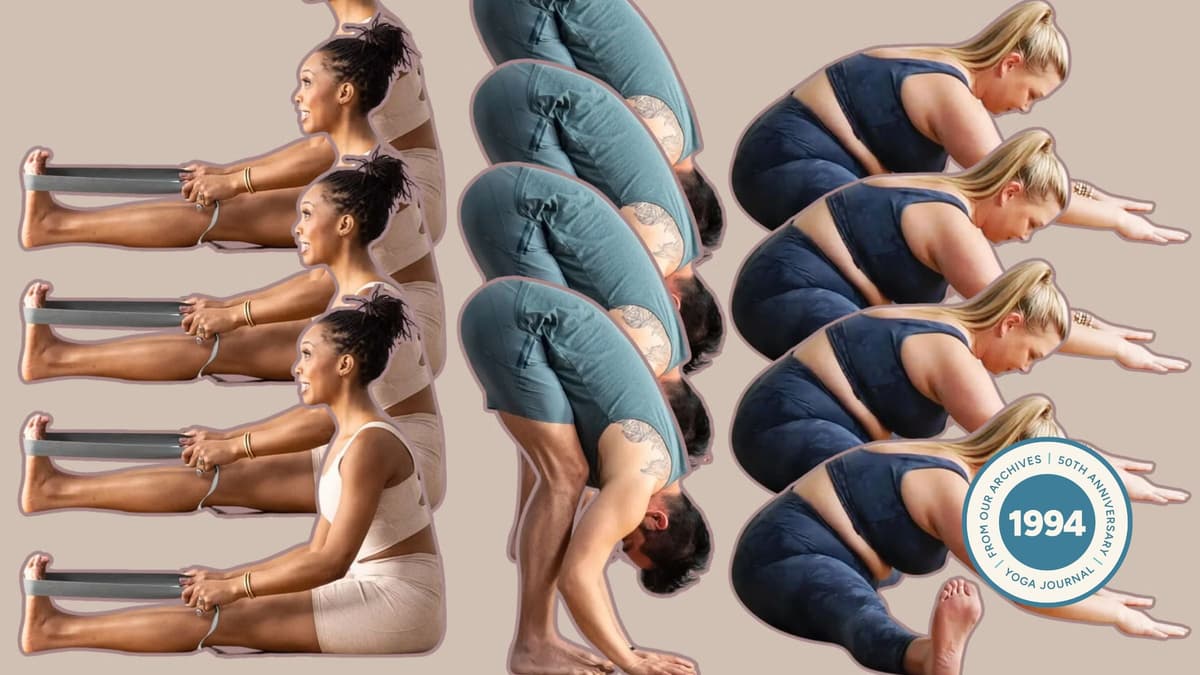
3 Stretches to Release Your Tight Back and Hamstrings
Companies Mentioned
Why It Matters
Improving hamstring and spinal mobility reduces injury risk and supports overall musculoskeletal health, a priority for both studio‑based and at‑home yoga practitioners. The routine’s low‑cost props and scalable intensity make it accessible to a broad wellness audience.
Key Takeaways
- •Warm‑up wall stretch targets hamstrings and protects knees
- •Strapped seated forward bend lengthens spine while keeping torso upright
- •Deepening pose adds hip rotation, enhancing flexibility and balance
- •Consistent practice can reduce back tension and improve nervous system calm
Pulse Analysis
Forward bends are a cornerstone of yoga, prized for their ability to stretch the posterior chain while calming the nervous system. Yet many beginners hit a wall when tight hamstrings prevent proper pelvic rotation, leading to compensatory rounding of the lower back. By integrating a wall‑supported leg stretch, practitioners pre‑activate the thigh muscles and create a safe hinge point, setting the stage for a more effective forward fold. The use of a blanket to elevate the sit bones and a strap to extend reach ensures the spine stays long, protecting lumbar discs and encouraging a deeper, more balanced stretch.
The three‑step sequence outlined by Yoga Journal blends anatomical insight with practical tooling. The initial wall stretch isolates the hamstrings, allowing the practitioner to gauge asymmetries and build endurance without knee strain. Transitioning to the seated forward bend, the strap serves as a lever, enabling a controlled forward translation that maintains torso length and engages the core. The final deepening pose introduces a gentle hip rotation, targeting the piriformis and gluteal muscles, which further releases tension in the lower back. Each posture can be held for one to two minutes, with incremental time extensions fostering progressive flexibility without overloading tissues.
Beyond individual benefit, this routine reflects broader trends in the wellness market. As remote work fuels a surge in home‑based yoga, demand for affordable accessories—blankets, straps, and supportive props—continues to climb. Brands that position these items as essential for safe, effective practice tap into a consumer base seeking professional‑grade guidance without studio fees. Moreover, the emphasis on spinal health aligns with growing corporate wellness programs that prioritize ergonomics and injury prevention, making such evidence‑based sequences valuable content for fitness apps, health insurers, and employee benefit platforms.
3 Stretches to Release Your Tight Back and Hamstrings
Comments
Want to join the conversation?
Loading comments...