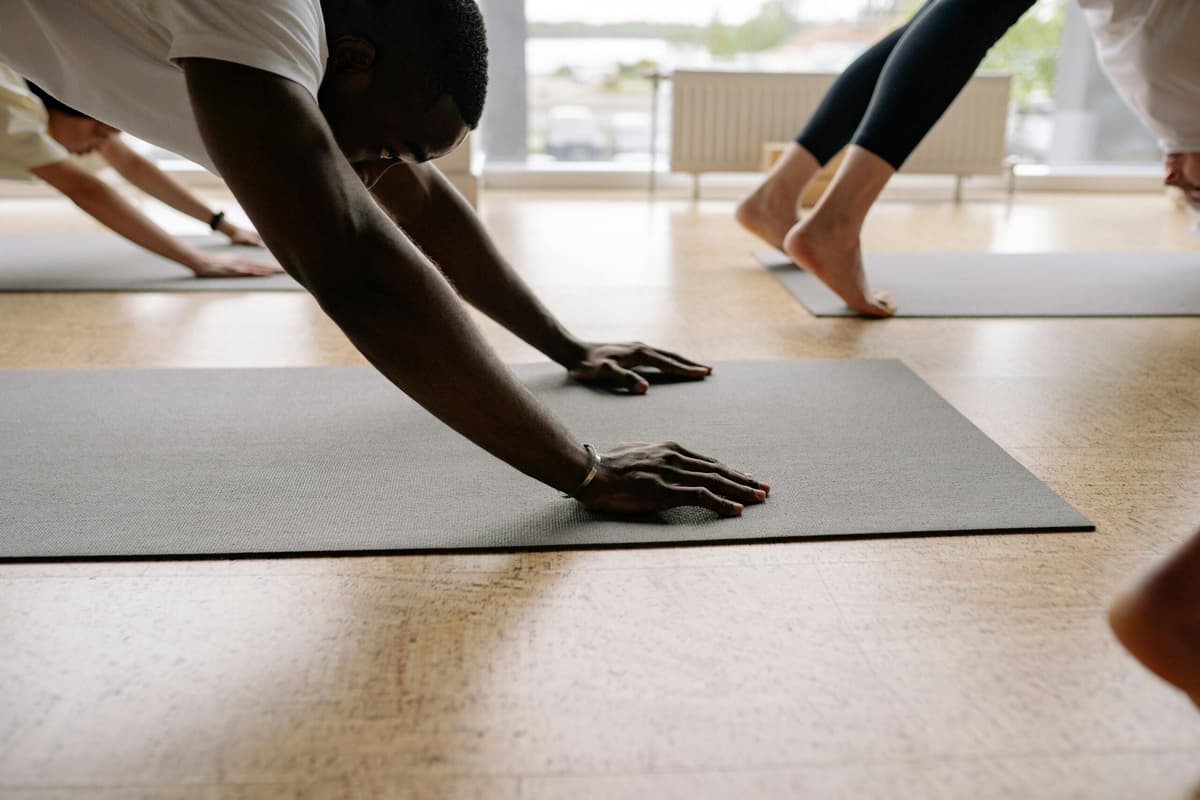
5 Ways to Make Yoga Easier on Your Wrists, According to This Podcast
Why It Matters
Wrist discomfort can limit participation and retention in yoga studios, affecting revenue and brand loyalty. Providing easy, low‑cost modifications helps studios retain students and positions them as inclusive, health‑focused brands.
Key Takeaways
- •Roll a mat or towel under wrists to disperse pressure
- •Use yoga blocks to shift weight away from wrists
- •Form fists, resting on knuckles to keep wrists neutral
- •Lower knees or modify plank to reduce wrist load
- •Offer wrist‑friendly alternatives like Dolphin or Puppy Pose
Pulse Analysis
Wrist pain is one of the most common barriers to consistent yoga practice, especially in fast‑paced vinyasa classes where weight‑bearing poses dominate. When students experience sharp or lingering discomfort, they often associate the feeling with the discipline itself, leading to drop‑outs that hurt studio attendance figures and class fill‑rates. By addressing this pain point, studios can improve client retention, boost class satisfaction scores, and differentiate themselves in a crowded wellness market.
Monica Bright’s five‑step framework translates directly into actionable studio policies. Simple props such as rolled towels, yoga blocks, or foam wedges cost under $20 per unit and can be integrated into any class without disrupting flow. Instructors who demonstrate fist variations or knee‑down modifications empower students to stay engaged while gradually conditioning their wrists. Moreover, offering alternatives like Dolphin or Puppy Pose signals an inclusive teaching philosophy, encouraging newcomers and injury‑prone practitioners to explore yoga without fear.
The broader industry implication is a shift toward adaptive yoga programming and product innovation. Studios may invest in ergonomic accessories, develop branded prop kits, or partner with physical therapists to create wrist‑strengthening workshops. Such initiatives not only generate ancillary revenue streams but also reinforce a studio’s reputation for safety and expertise. As consumer expectations evolve toward personalized, injury‑aware experiences, embracing these wrist‑friendly strategies becomes a competitive advantage in the wellness economy.
5 Ways to Make Yoga Easier on Your Wrists, According to This Podcast
Comments
Want to join the conversation?
Loading comments...