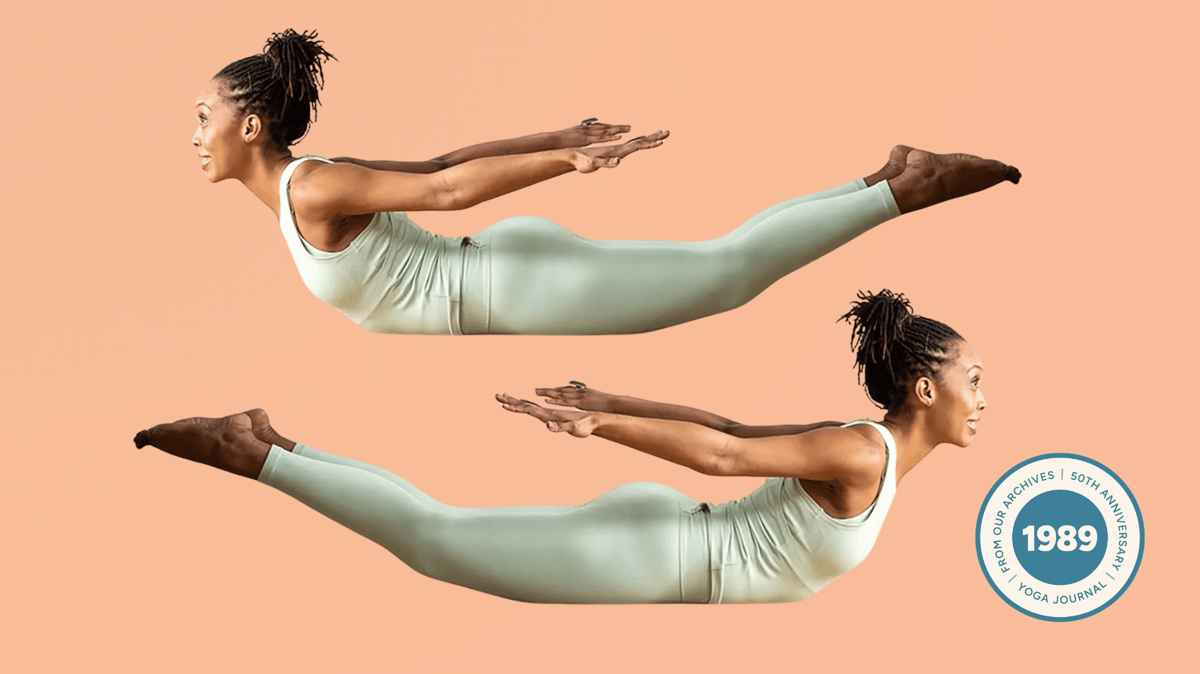
6 Ways to Practice Lotus Pose That Ease Back and Shoulder Tension
Why It Matters
By providing anatomically‑informed modifications, the article equips practitioners and therapists with tools to reduce common musculoskeletal complaints, enhancing both yoga performance and everyday ergonomics.
Key Takeaways
- •Alternating leg lifts in Locust Pose target sacroiliac relief
- •Using a roll or block intensifies thigh and inner‑thigh activation
- •Triceps engagement stabilizes shoulders across Warrior and headstand poses
- •Door‑frame variation eases neck and shoulder tension from desk work
- •Keep lumbar lift minimal; focus on upper‑back extension to protect discs
Pulse Analysis
The resurgence of Salabhasana in modern yoga reflects a growing awareness of spinal health in a sedentary society. First published in Yoga Journal’s 1989 archives, the pose has been re‑examined through a biomechanical lens, highlighting how coordinated activation of the glutes, hamstrings, and thoracic extensors can decompress the sacroiliac joint. By integrating props such as rolls, blocks, and straps, practitioners can fine‑tune muscle recruitment, making the pose accessible to a broader range of flexibility levels while directly addressing lower‑back discomfort that often follows prolonged forward bends.
Each of the six variations serves a distinct therapeutic purpose. Alternating leg lifts isolate each side of the pelvis, promoting balanced sacroiliac alignment, while the roll‑supported version amplifies thigh engagement for athletes seeking stronger posterior chains. The triceps‑centric drills reinforce shoulder girdle stability, a prerequisite for safe execution of Warrior I, Downward‑Facing Dog, and inversions. Door‑frame and chair adaptations translate these benefits to office environments, offering quick tension‑relief sequences that counteract the forward‑head posture typical of desk work. By emphasizing a controlled, minimal lumbar lift, the protocol safeguards intervertebral discs, making Salabhasana a viable rehabilitation tool for individuals with lumbar sensitivities.
For yoga studios and wellness professionals, incorporating these evidence‑based variations can differentiate class offerings and attract clients focused on functional movement. The pose’s versatility also aligns with corporate wellness initiatives, where brief, prop‑free sessions can be integrated into break periods to reduce musculoskeletal strain. Ultimately, the refined Salabhasana framework underscores the intersection of traditional practice and contemporary health science, delivering measurable relief for back and shoulder tension while enhancing overall postural resilience.
6 Ways to Practice Lotus Pose That Ease Back and Shoulder Tension
Comments
Want to join the conversation?
Loading comments...