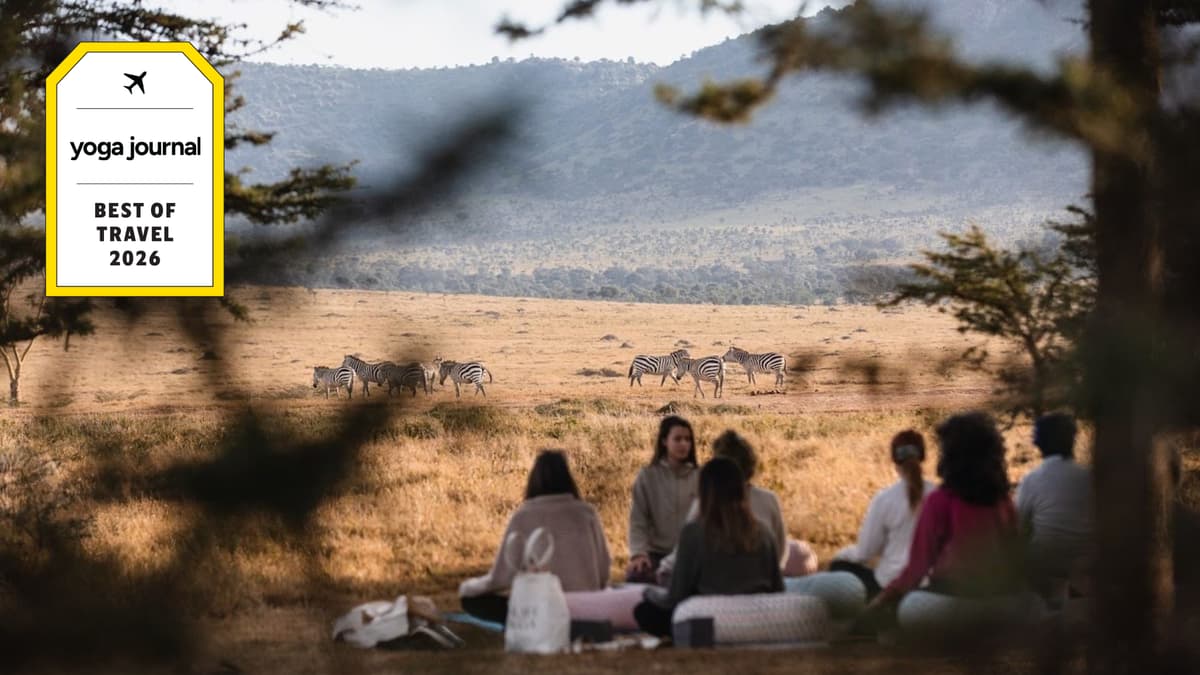
6 Yoga Retreats That Center Wildlife and Conservation
Why It Matters
These retreats tap the fast‑growing wellness tourism market while channeling high‑spending guests toward conservation funding and awareness, creating a win‑win for travel operators and ecosystems.
Key Takeaways
- •Kenya's Enasoit Conservancy hosts six‑day ultra‑low‑density yoga safari
- •Botswana women's retreat blends 12‑day wildlife immersion with mindfulness
- •Maldives program partners with Manta Trust for citizen‑science manta research
- •Uganda trek includes permit‑limited gorilla encounters and rhino reintroduction
- •Rajasthan retreat combines yoga with Ranthambore tiger safaris
Pulse Analysis
The convergence of wellness tourism and wildlife conservation reflects a broader shift in affluent consumer preferences. Travelers are no longer satisfied with passive spa experiences; they demand authentic, purpose‑driven journeys that justify premium price tags. By embedding yoga practice within protected habitats—whether the savannas of Kenya or the coral atolls of the Maldives—operators differentiate their offerings and command higher margins, while also meeting the rising ESG expectations of investors and guests alike.
Partnering with established conservation groups adds credibility and tangible impact. The Maldives retreat’s collaboration with Manta Trust, for example, transforms participants into citizen scientists who log manta sightings, directly feeding data that informs marine policy. Similar alliances in Uganda and Botswana support anti‑poaching patrols and rhino reintroduction programs. These partnerships not only enhance the guest experience but also create new revenue streams through research grants and carbon‑offset credits, reinforcing the business case for sustainable luxury.
From a market perspective, the global wellness tourism sector is projected to exceed $1 trillion by 2030, with wildlife‑focused experiences growing fastest. Operators that integrate low‑density tourism models—limiting guest numbers to protect ecosystems—can leverage scarcity to justify premium pricing while preserving the very assets that attract travelers. As digital connectivity fuels demand for off‑grid, mindful escapes, the blend of yoga and conservation is poised to become a cornerstone of the next generation of high‑end travel offerings.
6 Yoga Retreats That Center Wildlife and Conservation
Comments
Want to join the conversation?
Loading comments...