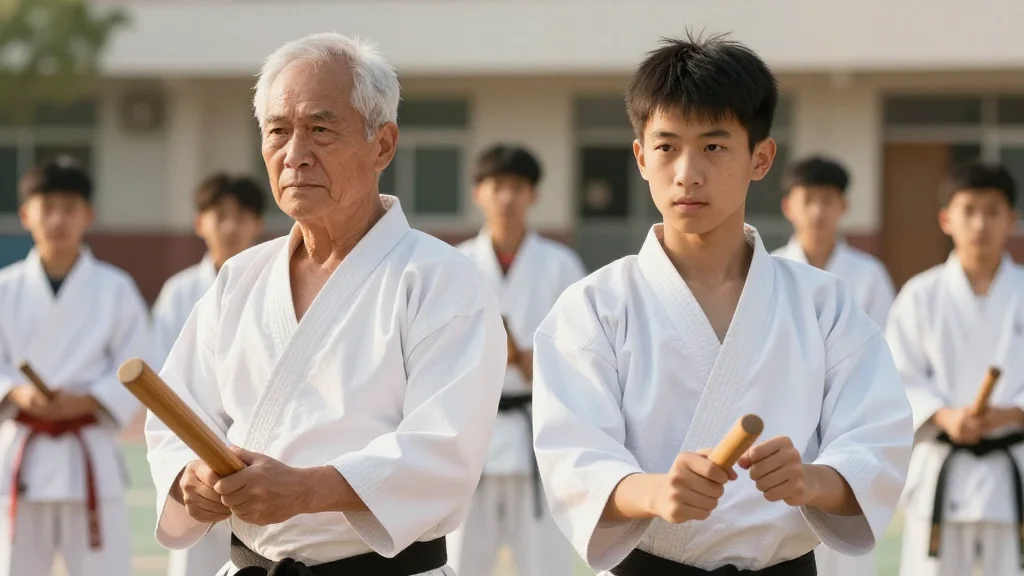
81‑Year‑Old Karate Master Uses Discipline to Combat Youth Stress in Australia

Why It Matters
The Saitos’ program underscores a growing recognition that non‑clinical, community‑based activities can play a pivotal role in early mental‑health intervention. By translating the rigors of karate into tools for emotional regulation, the initiative offers a scalable model that schools and youth organisations can adopt without heavy financial outlays. Moreover, the intergenerational narrative—an octogenarian sharing survival‑born lessons with a digital‑native generation—reinforces the cultural relevance of traditional practices in contemporary wellness strategies. If successful, the approach could influence policy by encouraging education departments to allocate funding for sport‑based resilience programs, complementing existing counseling services. It also adds weight to research suggesting that physical activity, especially structured martial arts, can boost self‑efficacy and reduce anxiety, potentially reshaping how governments prioritize preventive mental‑health spending.
Key Takeaways
- •81‑year‑old karate champion Kazuo “William” Saito and son Harrison are delivering stress‑management workshops to Australian high‑schoolers.
- •One in seven Australian children (≈560,000) currently experience mental‑health disorders, according to the latest national survey.
- •Research projects that up to 50% of Australian teens could face depression or anxiety by age 20 without intervention.
- •Burnet Institute estimates $50 million‑$1 billion annual investment could prevent 787,000 cases of anxiety/depression by 2050.
- •Pilot partnership with NSW Department of Education aims to embed karate‑based resilience training into Year 9 curricula.
Pulse Analysis
The Saitos’ initiative arrives at a crossroads where traditional physical disciplines intersect with modern mental‑health imperatives. Historically, martial arts have been framed as combat training, but the last decade has seen a shift toward wellness branding—yoga, tai chi, and now karate are marketed for stress relief. This evolution reflects a broader consumer trend: wellness seekers gravitate toward practices that promise both physical fitness and emotional balance. The Saitos capitalize on this by anchoring their program in authentic lineage rather than commercial hype, which may enhance credibility among skeptical parents and educators.
From a market perspective, the program could stimulate a niche segment of wellness services tailored for schools. Private providers may bundle karate instruction with mindfulness curricula, creating new revenue streams while addressing a policy gap. However, scalability hinges on rigorous outcome measurement; without data linking karate practice to reduced anxiety scores, funding bodies may hesitate. The involvement of academic researcher Brian Moore offers a pathway to evidence‑based validation, potentially unlocking government grants.
Looking forward, the success of the pilot could prompt a cascade effect: other cultural sports—such as taekwondo, capoeira, or indigenous dance—might be adapted for similar mental‑health objectives. This diversification would broaden the toolkit available to educators and could reduce the stigma associated with seeking help, as students engage in a familiar, activity‑based format. Ultimately, the Saitos demonstrate that intergenerational knowledge transfer can be a catalyst for innovative wellness solutions, positioning traditional martial arts as a viable component of Australia’s mental‑health strategy.
81‑Year‑Old Karate Master Uses Discipline to Combat Youth Stress in Australia
Comments
Want to join the conversation?
Loading comments...