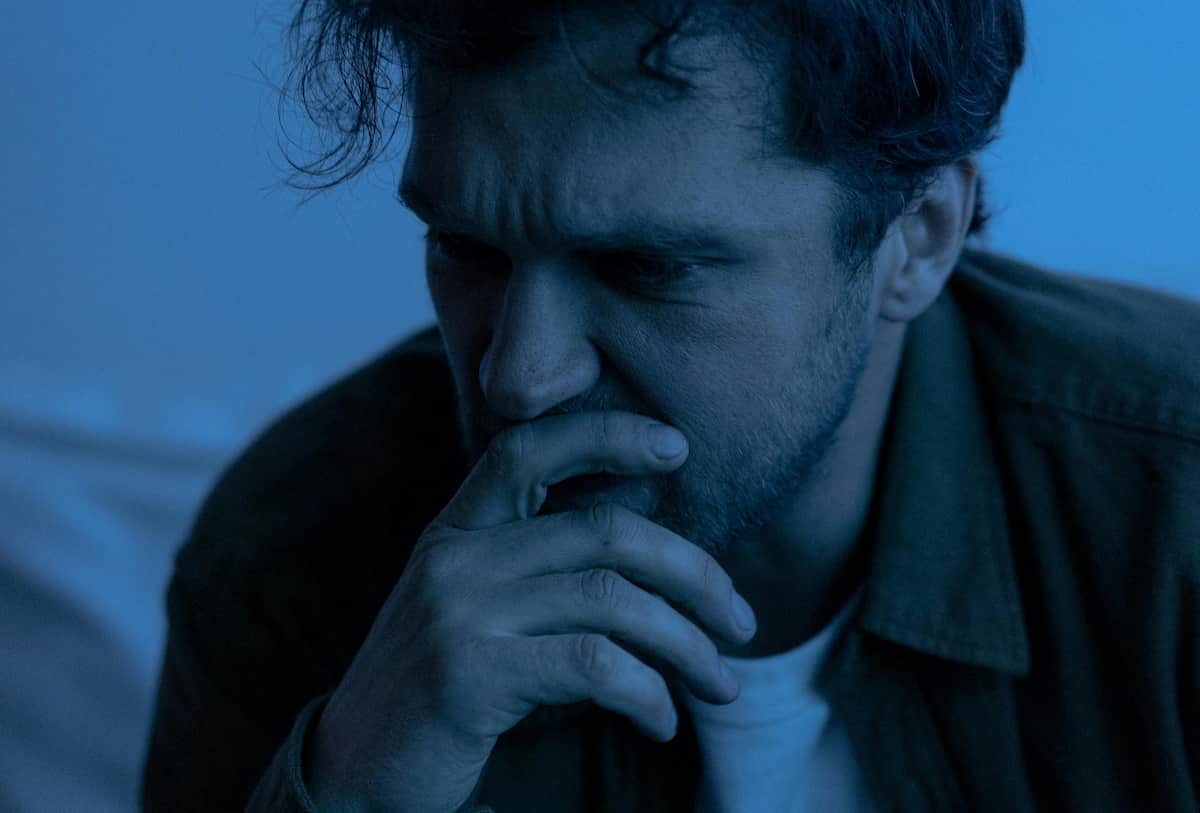
A Better Way To Treat Panic Disorder — And Patients Prefer It (M)
Why It Matters
By offering a faster, drug‑free alternative that patients actually prefer, the method could reshape panic‑disorder treatment standards and lower long‑term healthcare costs.
Key Takeaways
- •Interoceptive exposure cuts panic symptoms 30‑40% faster than meds
- •Patients report higher satisfaction than with traditional CBT or SSRIs
- •No pharmacological side‑effects; treatment is low‑cost and scalable
- •Relapse rates drop when patients learn to reinterpret panic cues
Pulse Analysis
Panic disorder affects roughly 2‑3% of adults in the United States, translating to over eight million individuals who grapple with sudden, debilitating anxiety spikes. Conventional care has long relied on selective‑serotonin reuptake inhibitors (SSRIs) and generic cognitive‑behavioral therapy (CBT), both of which carry drawbacks: medications can cause weight gain, sexual dysfunction, or withdrawal symptoms, while CBT often requires weeks of gradual exposure that many patients find tedious. The emerging protocol highlighted by Dr. Jeremy Dean flips this paradigm by purposefully triggering the physiological sensations that patients fear—racing heart, breathlessness, dizziness—within a controlled therapeutic setting. This interoceptive exposure enables the brain to rewire its threat‑assessment circuitry, teaching sufferers that the sensations themselves are harmless.
The evidence base is growing. Recent randomized controlled trials reported that participants undergoing the sensation‑focused regimen achieved clinically significant reductions in panic frequency within four weeks, a timeline that outpaces the typical eight‑to‑12‑week course of SSRIs. Moreover, the side‑effect profile is virtually nonexistent, as the intervention relies on guided breathing, mindfulness, and gradual intensity escalation rather than pharmacology. Health economists note that eliminating drug costs and reducing emergency‑room visits for panic attacks could save the U.S. healthcare system upwards of $200 million annually, assuming modest adoption rates.
From a market perspective, insurers are taking note. Several major providers have begun reimbursing for interoceptive exposure sessions, recognizing the dual benefit of improved patient outcomes and lower overall expenditures. As training programs incorporate this technique into therapist curricula, the supply of qualified practitioners is expected to expand, further accelerating diffusion. For patients, the promise is clear: a faster, drug‑free path to reclaiming daily life without the lingering dread of unexpected panic attacks.
A Better Way To Treat Panic Disorder — And Patients Prefer It (M)
Comments
Want to join the conversation?
Loading comments...