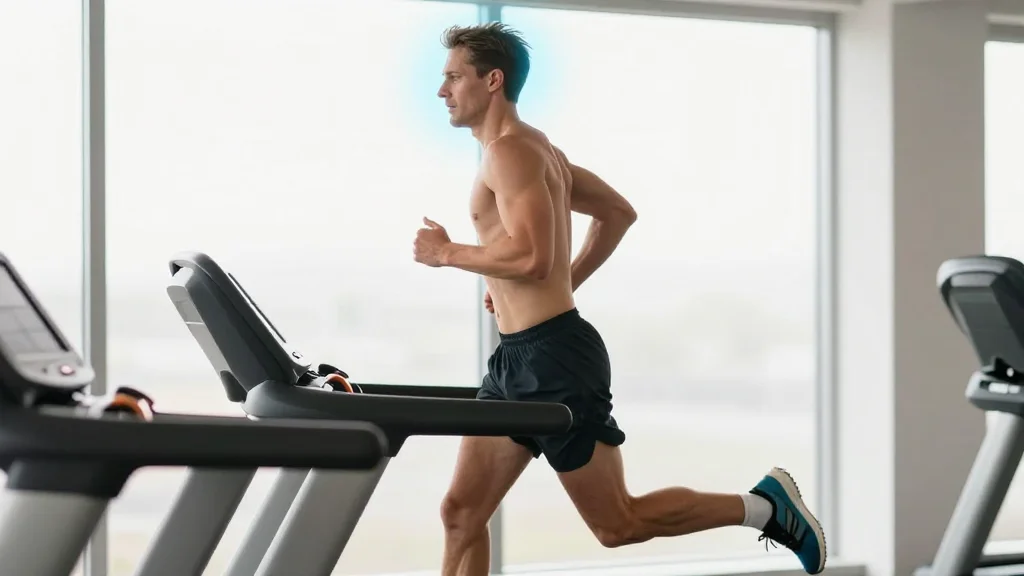
A Half Hour of Aerobic Exercise Reduces Test Anxiety and Boosts Cognitive Focus in Students
Why It Matters
The findings suggest a quick, low‑cost physical intervention can immediately improve cognitive focus for students under exam pressure, offering educators a practical tool to mitigate performance‑degrading anxiety.
Key Takeaways
- •30‑minute moderate treadmill session cut test‑related anxiety scores
- •Exercise group’s reaction times improved on conflict‑heavy Flanker trials
- •N2 brain wave amplitude decreased, indicating reduced conflict monitoring effort
- •P3 amplitude increased, showing enhanced attentional resource allocation
Pulse Analysis
Test anxiety remains a pervasive barrier to academic achievement, often manifesting as heightened physiological arousal and impaired concentration. While counseling and medication address chronic cases, the Nanjing University study highlights an acute, non‑pharmacological remedy: a brief bout of moderate aerobic exercise. By recruiting forty high‑anxiety students and pairing them with a resting control group, the researchers isolated the immediate cognitive benefits of a 30‑minute treadmill session, providing a clear experimental framework that bridges laboratory findings with real‑world exam scenarios.
The neurophysiological data underpin the behavioral gains. Post‑exercise EEG showed a smaller N2 wave, signaling that the brain required less effort to detect conflicting stimuli, and a larger P3 wave, reflecting improved allocation of attentional resources. These shifts likely stem from exercise‑induced releases of dopamine, norepinephrine, and serotonin, which enhance prefrontal cortex function—the hub of inhibitory control. Faster reaction times on the Flanker task, especially in incongruent trials, demonstrate that students can filter distractions more efficiently, translating to better performance on high‑stakes assessments where focus is paramount.
For universities and secondary schools, the study offers an actionable insight: integrating short, moderate‑intensity workouts into exam preparation schedules could boost student outcomes with minimal logistical overhead. However, the research is limited to a single age cohort and an artificial testing environment, leaving open questions about long‑term effects and applicability to younger learners. Future investigations should examine repeated exercise regimens, combine physical activity with cognitive‑behavioral strategies, and test real‑exam settings to fully validate aerobic exercise as a scalable solution for academic anxiety.
A half hour of aerobic exercise reduces test anxiety and boosts cognitive focus in students
Comments
Want to join the conversation?
Loading comments...