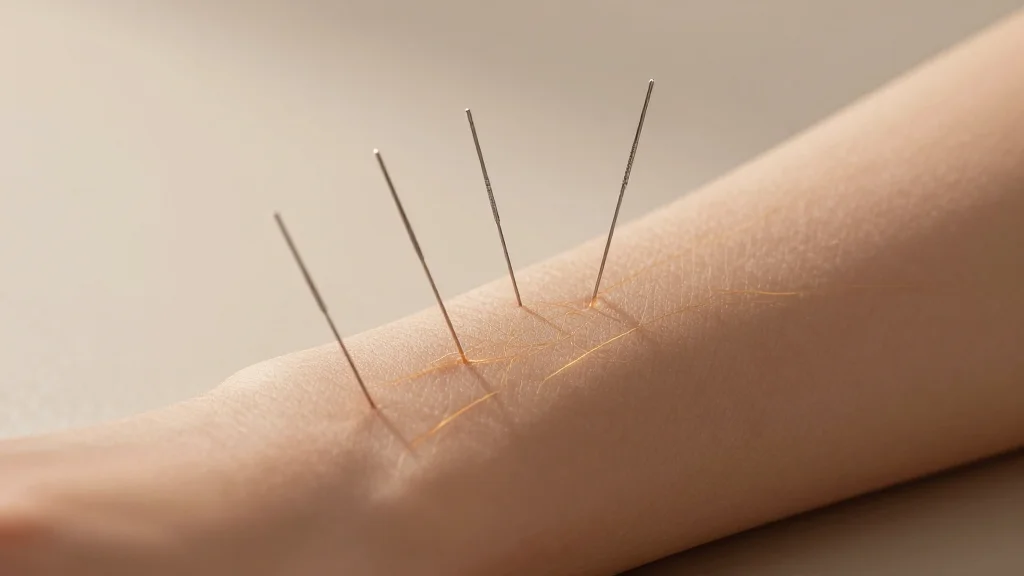
Acupuncture Boosts Stroke Recovery by Rewiring Brain Networks, MRI Trial Shows

Why It Matters
Stroke remains a leading cause of adult disability, with many survivors experiencing lasting motor deficits that limit independence and drive up healthcare costs. Demonstrating that acupuncture can both improve functional outcomes and induce measurable neuroplastic changes provides a compelling case for integrating this modality into standard rehabilitation programs. By offering a low‑cost, low‑risk intervention, acupuncture could expand access to effective post‑stroke care, especially in resource‑constrained settings where intensive physiotherapy may be unavailable. Moreover, the study bridges a critical evidence gap by linking clinical improvement to concrete brain‑imaging biomarkers. This mechanistic insight may encourage insurers and policymakers to reconsider coverage decisions for complementary therapies, fostering a more holistic approach to neuro‑rehabilitation that combines conventional and alternative modalities.
Key Takeaways
- •56 ischemic‑stroke patients enrolled; 46 completed MRI analysis
- •2:1 randomization to real acupuncture vs. sham over a two‑week period
- •Acupuncture group showed greater limb motor control gains than sham
- •MRI revealed reduced default mode network disjointedness and increased gray‑matter volume
- •Findings suggest acupuncture stimulates neuroplastic remodeling linked to functional recovery
Pulse Analysis
The trial marks a noteworthy shift in how complementary therapies are evaluated for neurological disorders. Historically, acupuncture’s role in stroke rehab has been debated due to a paucity of rigorous, imaging‑based evidence. By coupling functional and structural MRI outcomes with clinical scores, the researchers provide a template for future studies that demand both efficacy and mechanistic validation. This dual‑focus approach could accelerate the acceptance of acupuncture within evidence‑based medicine, especially as health systems prioritize interventions that deliver measurable functional returns on modest investments.
From a market perspective, the results could catalyze growth in the wellness‑rehab crossover segment. Companies that specialize in integrative care platforms may seek to incorporate certified acupuncture services into their offerings, leveraging the study’s data to negotiate reimbursement with insurers. Simultaneously, medical device firms developing neuro‑imaging tools may find new demand for longitudinal monitoring of therapy‑induced brain changes, expanding the commercial ecosystem around post‑stroke recovery.
Looking ahead, the key challenge will be scaling the intervention while maintaining protocol fidelity. Acupuncture’s efficacy is highly operator‑dependent, and standardizing needle placement, depth, and stimulation across providers will be essential for broader adoption. Multi‑center trials with larger, more diverse cohorts will be critical to confirm the generalizability of these findings and to define optimal treatment windows. If subsequent research corroborates the current results, acupuncture could become a mainstream adjunct in stroke rehabilitation guidelines, reshaping both clinical practice and the wellness industry’s role in chronic disease management.
Acupuncture Boosts Stroke Recovery by Rewiring Brain Networks, MRI Trial Shows
Comments
Want to join the conversation?
Loading comments...