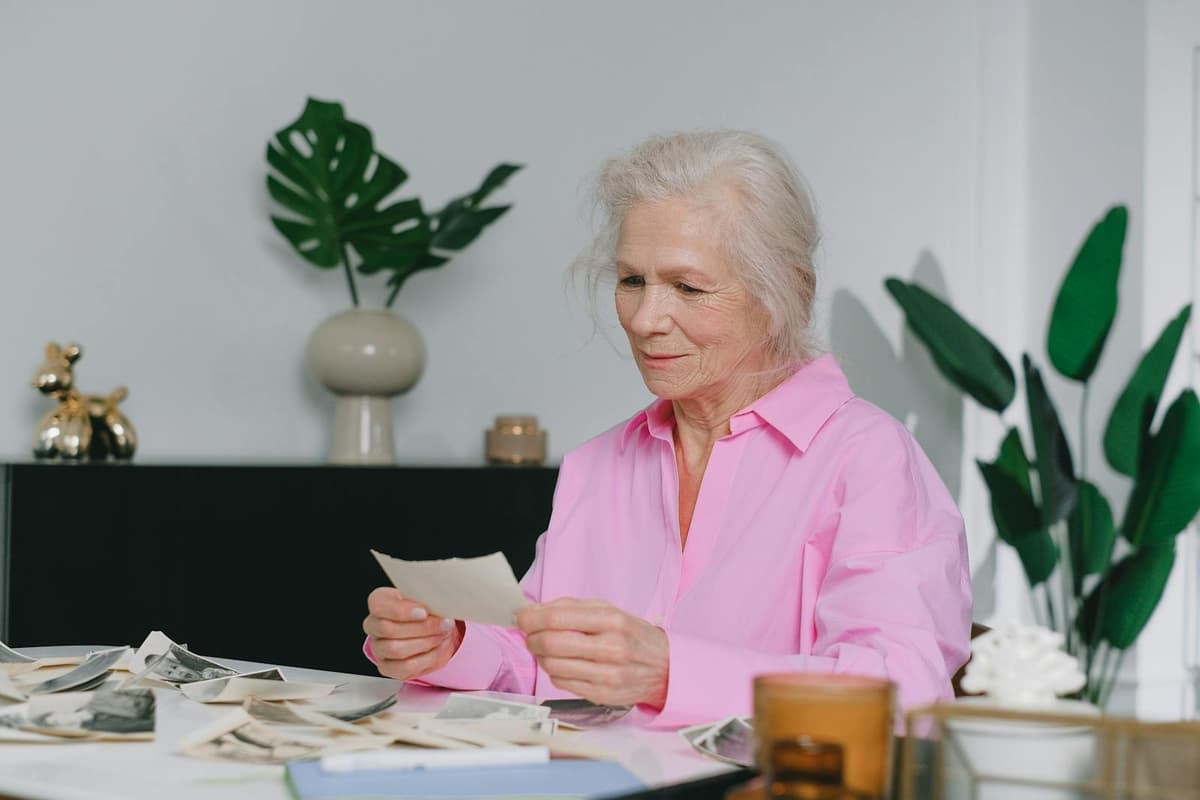
Adults Who Keep Birthday Cards, Voicemails From People Who Have Died, and Ticket Stubs From Ordinary Nights Aren’t Always Just Sentimental, They May Have Learned How Quickly an Ordinary Life Can Become the Thing You’d Give Anything to Revisit
Why It Matters
Understanding memory‑keeping as a resilience tool highlights its relevance for mental‑health practices and for businesses that design products to help people preserve personal history. It also shifts cultural perception from clutter to purposeful self‑care.
Key Takeaways
- •Keepsakes act as external triggers for recalling personal memories
- •Loss intensifies memory-keeping, turning ordinary items into valued artifacts
- •Nostalgia research shows it can boost gratitude and wellbeing
- •Voicemails from deceased preserve a person's voice, not just information
- •Physical places serve as geographic mementos similar to paper keepsakes
Pulse Analysis
The act of saving a birthday card, a movie ticket, or a voicemail is rooted in a well‑documented psychological mechanism: external objects serve as cues that reactivate the original experience in the brain. Researchers at Psychology Today note that these “memory handles” reduce the pain of letting go by providing a tangible anchor for the intangible past. When a loved one passes, the perceived value of such cues spikes, because they become the only remaining evidence that ordinary moments once existed.
Modern nostalgia research paints a more nuanced picture than the old notion of wistful longing. A 2024 Frontiers in Psychology review links nostalgic reflection to heightened gratitude, stronger social bonds, and a reinforced sense of self‑continuity. Parallel studies in translational psychiatry suggest that recalling warm memories can dampen perceived pain, offering a low‑cost, non‑pharmacological boost to wellbeing. For therapists, encouraging clients to curate meaningful mementos—whether physical or digital—can become a practical tool for building resilience and fostering positive affect.
These insights are reshaping a growing market for memory‑preservation services. Companies are moving beyond photo albums to offer hybrid solutions that combine physical keepsakes with secure cloud archives, voice‑recording storage, and AI‑driven memory prompts. By framing their products as mental‑health allies rather than clutter generators, brands tap into a consumer base that values both emotional safety and convenience. As the cultural narrative shifts, the simple drawer of cards may soon be seen as a personal wellness hub, reinforcing the idea that ordinary life, when thoughtfully archived, is the most valuable asset we have.
Adults who keep birthday cards, voicemails from people who have died, and ticket stubs from ordinary nights aren’t always just sentimental, they may have learned how quickly an ordinary life can become the thing you’d give anything to revisit
Comments
Want to join the conversation?
Loading comments...