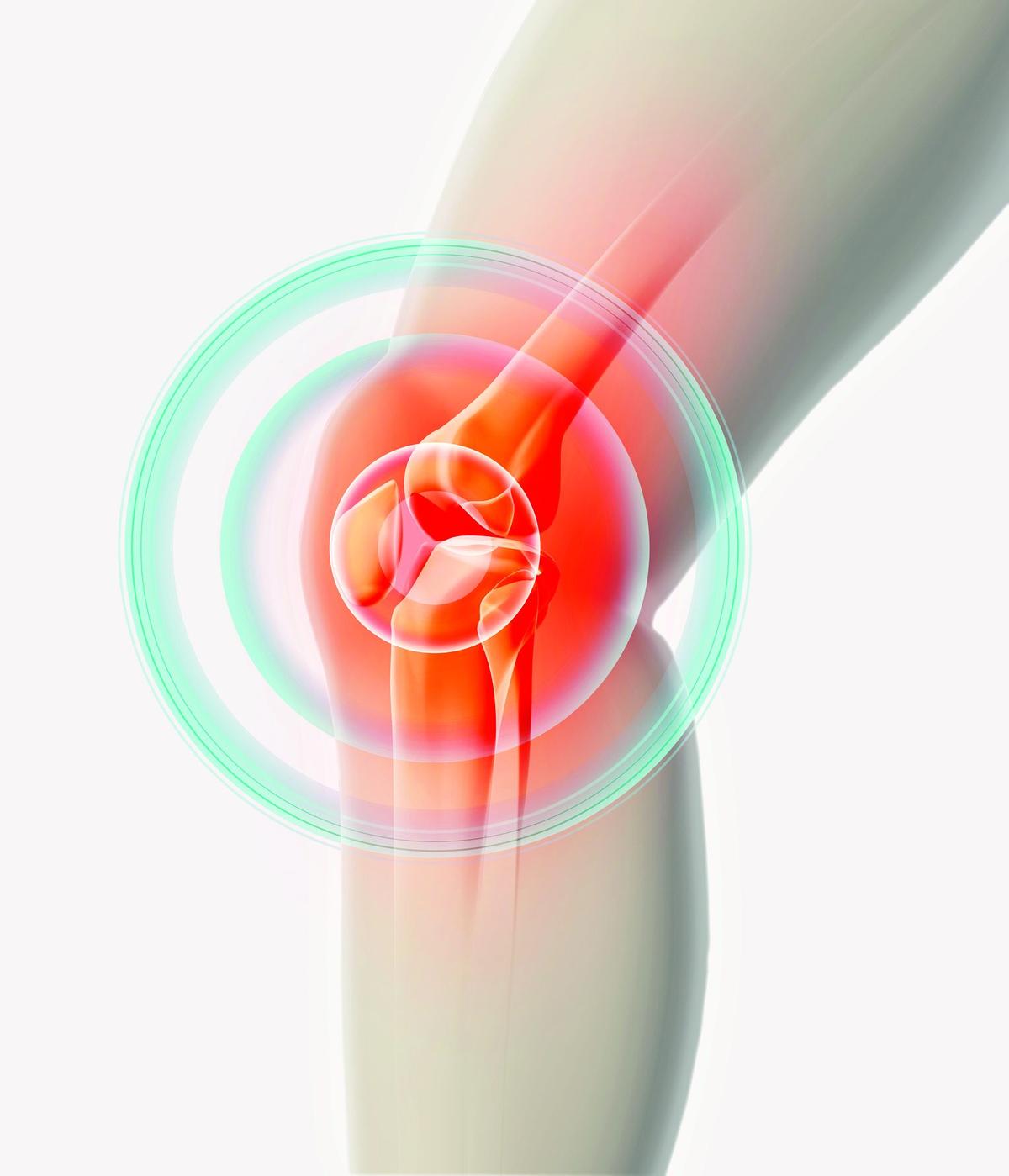
Aerobic Activity Is Best for Knee Osteoarthritis
Why It Matters
Aerobic exercise offers a cost‑effective, low‑risk strategy to mitigate knee OA pain, potentially reducing reliance on medication and surgery. This insight reshapes treatment protocols for a condition affecting millions of Americans.
Key Takeaways
- •30% of adults over 45 show knee osteoarthritis on X‑ray
- •Half of those with radiographic OA report knee pain
- •Aerobic exercise reduces pain more than strength training
- •Low‑impact activities like walking improve joint function
- •Regular aerobic sessions lower inflammation markers in knee OA
Pulse Analysis
Knee osteoarthritis (OA) is one of the most prevalent musculoskeletal disorders in the United States, affecting an estimated 10 million adults. Imaging studies consistently show that about one‑third of people over 45 already have structural changes in the knee joint, yet many remain undiagnosed until pain emerges. This silent progression underscores the importance of early detection and proactive management. While pain‑relieving medications and joint injections are common, they address symptoms rather than the underlying biomechanical stress that drives cartilage degeneration.
Emerging evidence now points to aerobic activity as the most effective non‑pharmacologic intervention for knee OA. Unlike high‑impact sports that can exacerbate joint wear, low‑impact cardio—such as brisk walking, stationary cycling, or water aerobics—stimulates synovial fluid circulation, enhances muscle support around the joint, and reduces inflammatory cytokines. Clinical trials comparing aerobic regimens to isolated strength training consistently report greater pain reduction and improved gait mechanics for the cardio groups. These benefits are amplified when exercise is performed regularly, at moderate intensity, and combined with weight‑management strategies.
For clinicians and health‑plan administrators, the shift toward aerobic‑centric therapy offers both clinical and economic advantages. Patients who adopt consistent cardio routines often experience delayed progression to joint replacement, lowering surgical costs and post‑operative rehabilitation expenses. Insurers can incentivize aerobic programs through wellness reimbursements, while employers may see reduced absenteeism and higher productivity among workers with joint discomfort. As the population ages, integrating aerobic exercise into standard OA care pathways could become a cornerstone of sustainable, patient‑focused joint health management.
Aerobic Activity is Best for Knee Osteoarthritis
Comments
Want to join the conversation?
Loading comments...