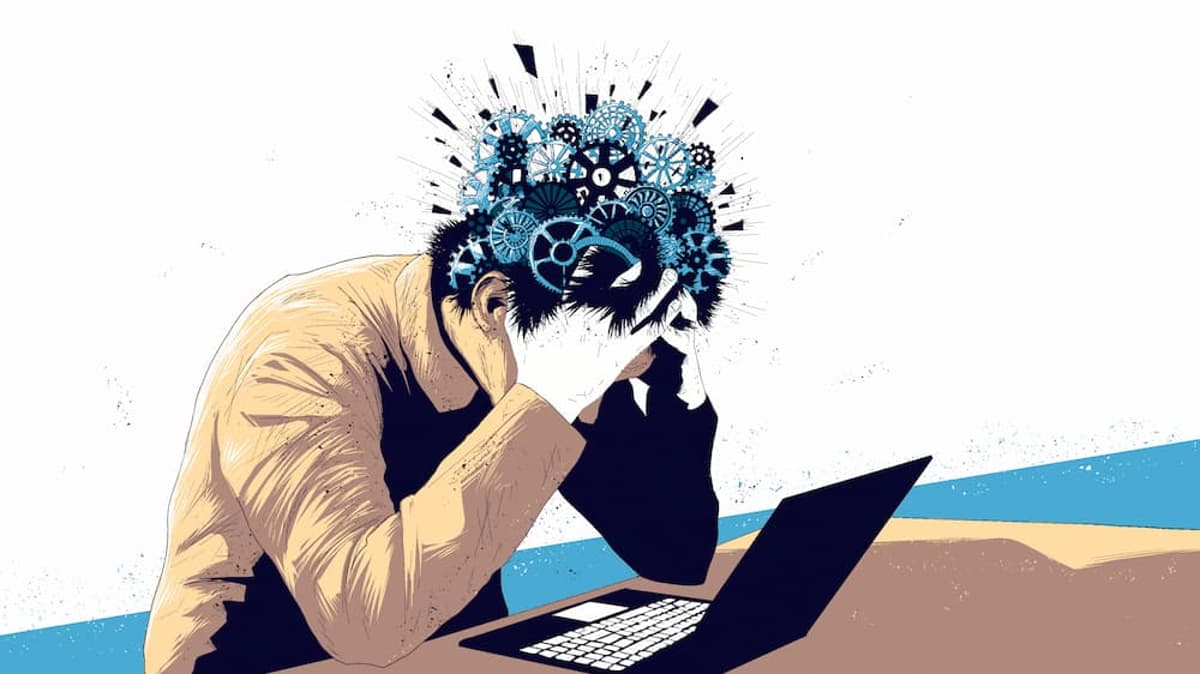
AI Promised to Reduce the Load. What Happened?
Companies Mentioned
Why It Matters
The hidden mental‑load costs erode employee wellbeing and threaten retention, turning efficiency gains into a liability for organizations. Addressing the trust and training gap is essential to sustain productivity and protect talent.
Key Takeaways
- •AI users see 40% productivity rise but 88% report burnout
- •“AI brain fry” raises quit intent: 34% plan to leave vs 25%
- •Only 12% trust AI tools understand work context
- •45% of workers used unapproved AI; 36% handled confidential data
- •Training within workflows makes employees 3.7× more confident
Pulse Analysis
The surge in AI adoption has delivered measurable efficiency gains, but the human side of the equation is lagging. Research from Upwork and BCG shows that while AI can lift output by nearly half, it also fuels a phenomenon dubbed “AI brain fry,” where workers experience heightened fatigue and a stronger desire to leave their jobs. This paradox stems from decision latency: employees must constantly verify AI suggestions, creating a hyper‑vigilant state that drains cognitive resources. The lack of confidence—only 12% of workers trust AI to understand their context—exacerbates the problem, turning routine tasks into mental gymnastics.
Beyond the individual toll, the organizational impact is profound. A stark perception gap exists between leadership and staff: 88% of leaders believe tools are adequate, yet just 21% of employees share that view. This disconnect drives risky behavior, with 45% of workers resorting to unapproved AI platforms, and over a third handling confidential data on those tools. Such practices expose firms to compliance breaches and erode data security, turning what appears to be a productivity win into a hidden liability.
Mitigating these risks requires a shift from pure transformation to true adoption. HR and IT must collaborate to map where AI workflows break down and embed just‑in‑time training directly into the tools employees use. WalkMe’s data indicates that such embedded support makes users 3.7 times more confident, reducing burnout and retention risk. By making the perception gap visible to executives and prioritizing digital fluency, companies can harness AI’s benefits without sacrificing the mental health of their workforce, turning a potential crisis into a sustainable competitive advantage.
AI promised to reduce the load. What happened?
Comments
Want to join the conversation?
Loading comments...