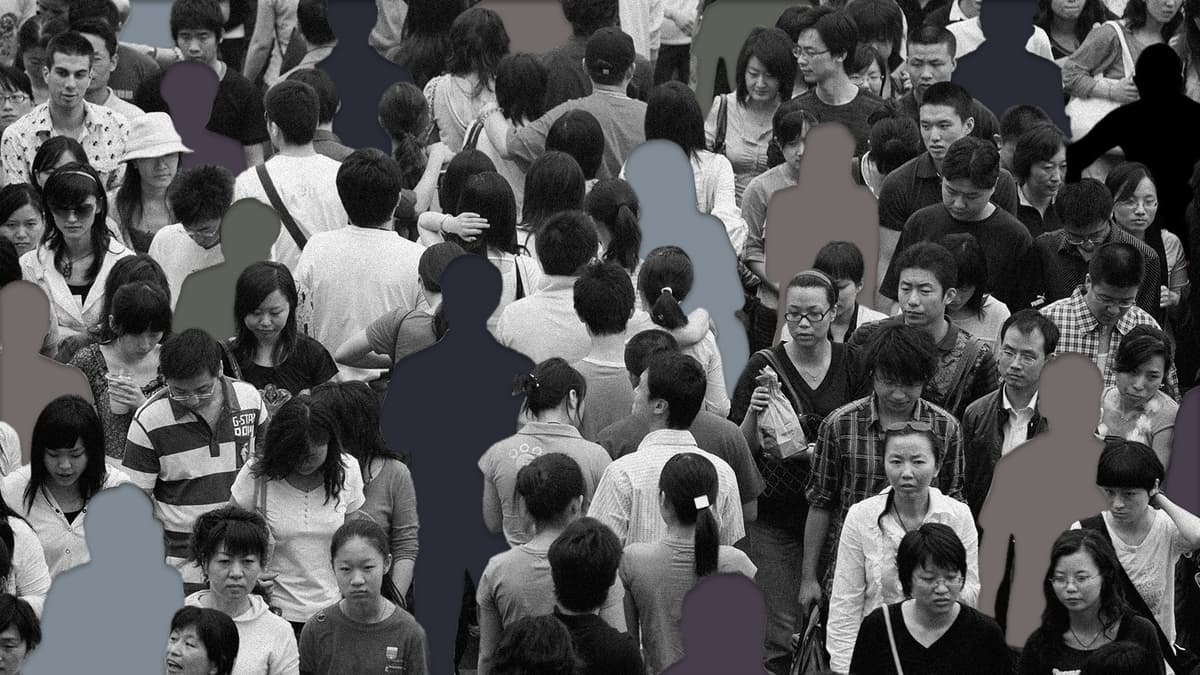
All the Sad Young Chinese Professionals
Why It Matters
Loneliness threatens social stability and consumer confidence, prompting both market innovators and the Chinese government to address a hidden mental‑health crisis among its future workforce.
Key Takeaways
- •‘Are You Dead?’ app topped iPhone paid downloads before removal
- •Urban migration left many young Chinese living alone, feeling isolated
- •Blind‑box dinners and dazi relationships emerge as low‑cost social outlets
- •Economic slowdown and housing costs deter marriage, deepening loneliness
- •Chinese authorities view loneliness data as politically sensitive
Pulse Analysis
China’s rapid urbanization has reshaped family structures, leaving a generation of 20‑ to 30‑year‑olds isolated in sprawling megacities. The "Are You Dead?" app, a simple check‑in tool, became a cultural flashpoint when it revealed how many young professionals fear dying alone. Its swift removal by cyberspace regulators underscores the Party’s concern that widespread emotional distress could undermine the narrative of collective prosperity. This episode mirrors a broader shift: traditional extended families are giving way to single‑person households, and the digital age amplifies both connection and alienation.
Economic pressures intensify the loneliness dilemma. Young workers earn roughly $1,000 a month, yet rent, transportation and family remittances consume most of that income, leaving little room for social outings. The housing market’s high entry costs and a cultural expectation that men provide a home before marriage have driven first‑marriage numbers down from 22 million in 2010 to 9.2 million in 2024. In response, entrepreneurs like Lu Ming organize blind‑box dinners—six strangers share a meal and split the bill—while platforms such as Xiaohongshu and Soul facilitate dazi relationships, offering companionship without long‑term obligations.
The loneliness trend carries strategic implications for businesses and policymakers. Companies that can embed genuine community features into apps or create affordable, low‑commitment social experiences stand to capture a sizable, underserved market. Simultaneously, the government’s sensitivity to mood‑tracking tools suggests tighter regulation of digital wellbeing data. Understanding the interplay between economic insecurity, cultural expectations, and digital socialization is essential for investors, HR leaders, and brands seeking to engage China’s increasingly isolated yet digitally savvy workforce.
All the Sad Young Chinese Professionals
Comments
Want to join the conversation?
Loading comments...