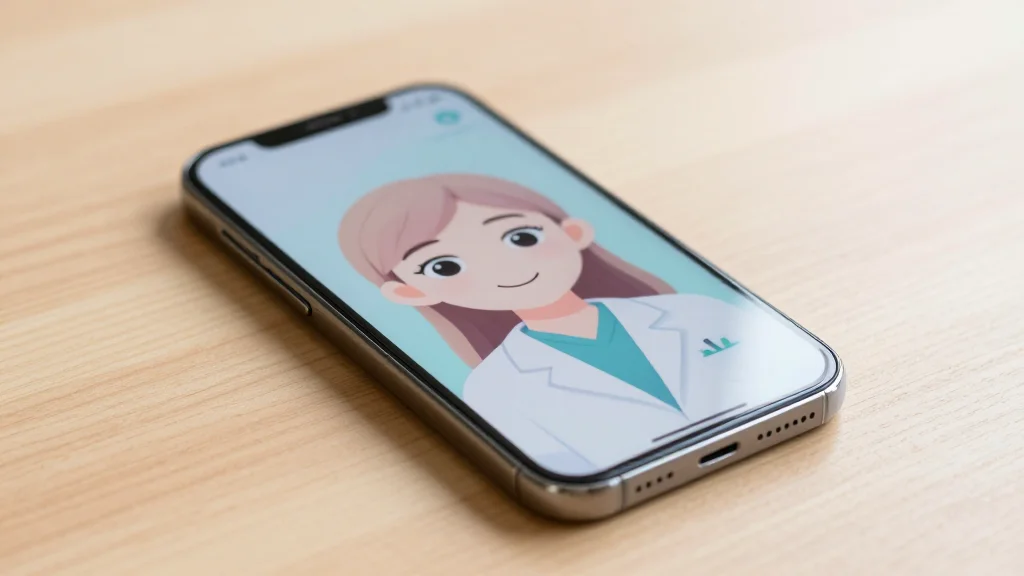
Anime‑Based Therapy Pilot Shows Promise for Depression in Japanese Youth

Why It Matters
Japan faces a mental‑health crisis among its younger population, with high rates of depression and a cultural reluctance to seek professional help. By leveraging anime—a medium that commands deep emotional engagement among Japanese youth—the pilot offers a novel pathway to reduce stigma and increase accessibility. Successful scaling could alleviate pressure on an under‑resourced counseling system and inspire similar culturally specific interventions in other markets where media consumption shapes identity. Beyond Japan, the study signals a broader shift toward immersive, media‑driven therapeutic modalities. If AI‑powered avatars can deliver comparable outcomes, the model could be adapted for multilingual, cross‑cultural applications, opening new revenue streams for digital health firms and expanding the toolkit available to clinicians worldwide.
Key Takeaways
- •Six‑month pilot at Yokohama City University concluded in March
- •20 participants aged 18‑29 received counseling via anime avatars
- •Six distinct avatar archetypes were created, each embodying a mental‑health challenge
- •Physiological metrics (heart rate, sleep) and mood scales were tracked for feasibility
- •Next phase will enroll 100 participants and test AI‑driven avatar delivery
Pulse Analysis
The anime‑therapy pilot taps into a cultural niche that traditional mental‑health services have largely ignored. By framing therapeutic dialogue within familiar narrative structures, the approach lowers the psychological cost of disclosure—a key barrier in collectivist societies where personal vulnerability can be perceived as weakness. This aligns with a growing body of evidence that gamified and narrative‑based interventions can boost engagement and adherence, especially among digital natives.
From a market perspective, the venture sits at the intersection of digital health, entertainment, and AI. Should the expanded trial demonstrate measurable symptom reduction, investors may see an opportunity to fund platforms that blend licensed anime IP with evidence‑based therapy modules. Such platforms could monetize through subscription models, licensing deals, or partnerships with insurers seeking cost‑effective preventive care solutions. However, regulatory scrutiny will intensify as AI‑mediated counseling blurs the line between entertainment and clinical practice, demanding rigorous validation and clear ethical guidelines.
Looking ahead, the success of anime‑based therapy could catalyze a wave of culturally tailored digital therapeutics—think K‑pop‑inspired mood boosters in South Korea or Bollywood‑styled resilience programs in India. The key will be balancing cultural relevance with scientific rigor, ensuring that novelty does not eclipse efficacy. If managed correctly, this model could redefine how mental‑health care is delivered to hard‑to‑reach populations worldwide.
Anime‑Based Therapy Pilot Shows Promise for Depression in Japanese Youth
Comments
Want to join the conversation?
Loading comments...