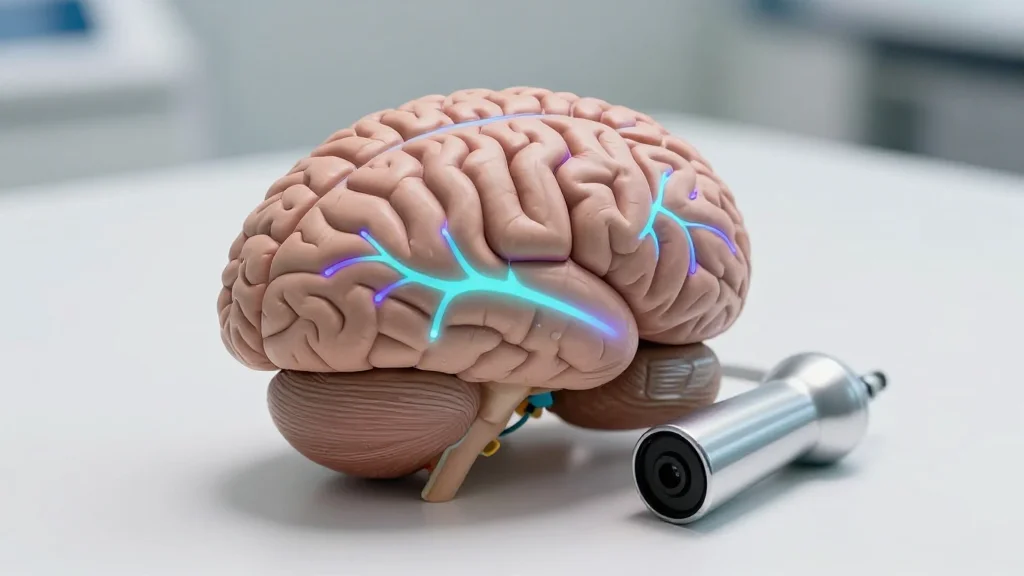
APA Conference Spotlights Psychedelics, Lifestyle Medicine and Biomarker‑Driven Diagnosis

Why It Matters
The APA’s endorsement of psychedelics, neurostimulation and biomarker‑driven diagnosis signals a shift from symptom‑based treatment to a precision‑medicine model that could improve outcomes for the estimated one‑billion people living with mental‑health conditions worldwide. Integrating lifestyle interventions into standard care also aligns psychiatry with broader public‑health goals, potentially reducing the chronic disease burden linked to poor diet, inactivity and sleep deprivation. If biomarkers become part of the DSM, diagnostic criteria could become more objective, reducing misdiagnosis and enabling earlier, targeted interventions. However, the move also raises questions about health‑equity, data privacy and the readiness of the health‑care system to support advanced testing at scale. The balance struck in the coming years will shape the future of mental‑health delivery, research funding, and regulatory policy.
Key Takeaways
- •Helen Lavretsky highlighted psychedelics and neurostimulation as emerging, personalized treatment options.
- •She warned of a widening gap between rising stress‑driven illness and current psychiatric capacity.
- •Lavretsky quoted: "future versions of DSM will be more focused and integrate more personalized precision psychiatry kind of approach into the diagnostic and statistical manual."
- •APA research council is piloting biomarker‑guided diagnostic studies for future DSM revisions.
- •Next draft incorporating biomarkers could be reviewed within two years, influencing reimbursement and regulatory pathways.
Pulse Analysis
The APA’s pivot toward precision psychiatry mirrors trends seen in oncology and cardiology, where biomarkers have already transformed diagnostic and therapeutic pathways. By championing psychedelics and neurostimulation, the association is betting on modalities that can deliver rapid, durable symptom relief—an attractive proposition for a system strained by chronic, treatment‑resistant cases. Historically, psychiatry has been slow to adopt biologically anchored diagnostics; the DSM’s symptom‑based framework has faced criticism for its lack of specificity. Embedding biomarkers could address that criticism, but it also risks creating a two‑tier system where only well‑resourced clinics can afford advanced testing.
From a market perspective, the announcement is likely to accelerate venture capital inflows into neuro‑diagnostic startups and digital‑health platforms that aggregate lifestyle data. Companies that can demonstrate clinically validated biomarker panels will attract partnerships with pharmaceutical firms seeking companion diagnostics for emerging psychedelic drugs. Conversely, insurers may push back, demanding cost‑effectiveness data before expanding coverage for novel therapies and biomarker panels.
Looking ahead, the real test will be whether the APA can translate conference enthusiasm into actionable guidelines that survive rigorous peer review and real‑world implementation. The next two years will reveal whether precision psychiatry remains a niche academic pursuit or becomes the new standard of care, reshaping how clinicians, payers and patients approach mental‑health treatment.
APA Conference Spotlights Psychedelics, Lifestyle Medicine and Biomarker‑Driven Diagnosis
Comments
Want to join the conversation?
Loading comments...