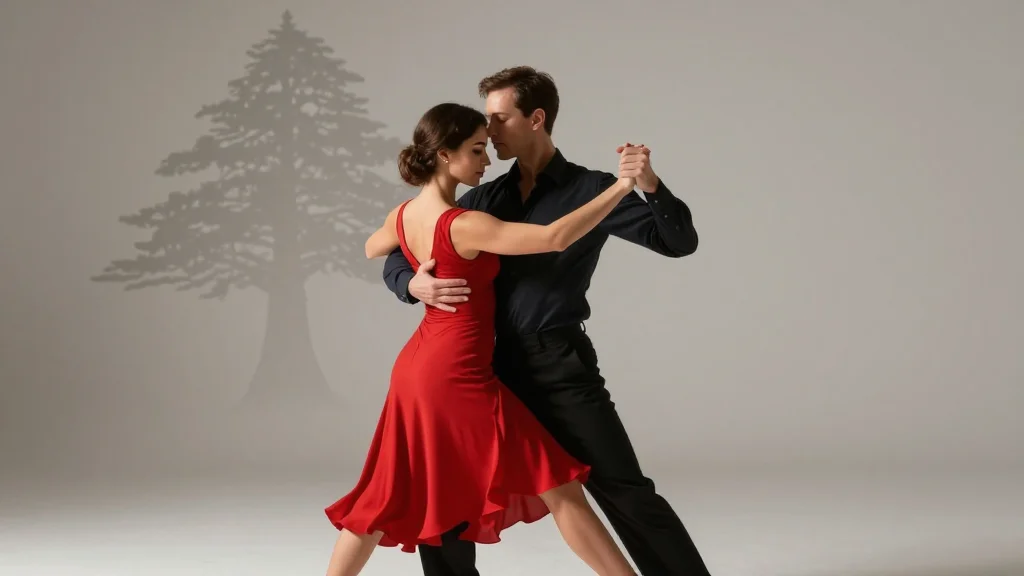
Argentinian Tango Boosts Mental Health for Lebanese Adults, Study Shows

Why It Matters
The study provides empirical backing for a low‑cost, culturally resonant intervention that can be deployed in settings where traditional mental‑health services are limited. By demonstrating that Argentine tango meets fundamental psychological needs, the research offers a blueprint for integrating arts‑based movement into public‑health curricula, potentially reducing reliance on medication and expanding access to mental‑wellness resources. If adopted at scale, tango‑based programs could alleviate the burden on Lebanon's overstretched mental‑health infrastructure, improve social cohesion, and inspire similar culturally tailored interventions in other regions facing comparable challenges.
Key Takeaways
- •Peer‑reviewed study links Argentine tango to measurable mental‑health gains for Lebanese adults
- •Self‑determination theory used to explain how tango fulfills autonomy, competency, and relatedness needs
- •Findings show reductions in depression, stress, and increased mindfulness after a structured program
- •Researchers propose expanding trials to rural areas and comparing tango with yoga and meditation
- •Lebanese health officials consider subsidized tango workshops as a community‑level mental‑health tool
Pulse Analysis
The Argentine tango study arrives at a moment when the wellness industry is pivoting toward experiential, community‑driven solutions. Historically, dance has been relegated to the realm of recreation, but recent scholarship—bolstered by this Lebanese cohort—reframes it as a therapeutic modality that satisfies deep psychological drives. This reframing aligns with a broader market trend: investors and operators are betting on hybrid offerings that blend physical activity with mental‑health outcomes, from boutique studios that pair Pilates with counseling to digital platforms that embed mindfulness into group workouts.
From a competitive standpoint, the tango model differentiates itself by emphasizing partner interaction, a feature that many solo‑oriented fitness trends lack. This could attract a demographic seeking social connection, especially in post‑pandemic societies where isolation remains a concern. However, scaling tango presents logistical challenges, such as sourcing qualified instructors and adapting curricula to diverse cultural contexts. Companies that can certify instructors and create modular lesson plans may capture early mover advantage.
Looking forward, the study’s call for longitudinal data will be crucial. If future research confirms sustained mental‑health benefits, we may see policy‑driven adoption, insurance reimbursement for dance therapy, and integration into school curricula. Such developments would not only expand the wellness market but also reshape public‑health strategies, positioning movement‑based arts as a mainstream preventive tool rather than a niche pastime.
Argentinian Tango Boosts Mental Health for Lebanese Adults, Study Shows
Comments
Want to join the conversation?
Loading comments...