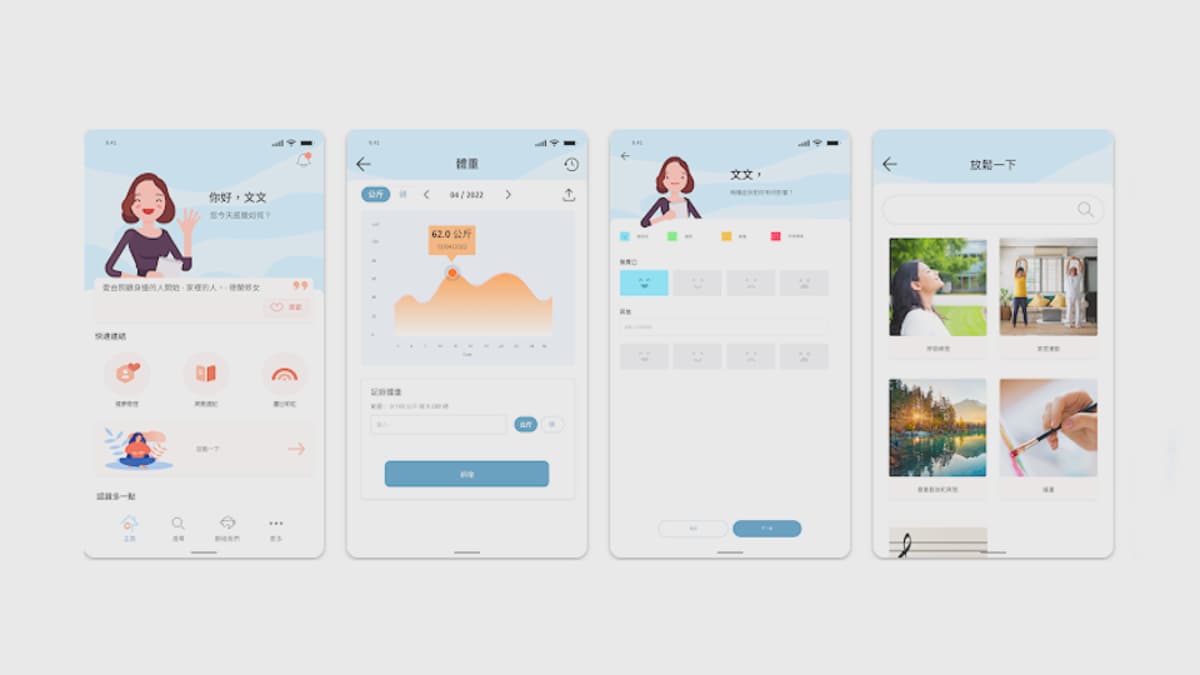
ASCO26: Symptom-Tracking App Helps Advanced Cancer Patients
Why It Matters
Proactive digital monitoring can preserve quality of life for terminal patients and cut costly unplanned hospital admissions, reshaping palliative‑care delivery models.
Key Takeaways
- •SUPPORT+ app maintained quality of life in advanced cancer patients
- •EQ‑5D utility index rose from 0.49 to 0.52 with app
- •Hospitalisations dropped significantly for app users versus control
- •Weekly symptom prompts trigger nurse follow‑up for serious issues
- •Future AI tools aim for 24/7 guidance and cost analysis
Pulse Analysis
Digital health tools are gaining traction in palliative care, where symptom volatility often forces reactive interventions. The SUPPORT+ platform leverages a simple weekly questionnaire to capture patient‑reported outcomes, automatically delivering self‑care tips for mild issues and flagging severe symptoms for nurse outreach. By embedding this feedback loop into patients' daily routines, the system transforms raw symptom data into actionable care pathways, a model that aligns with broader telehealth trends accelerating after the pandemic.
The randomized trial’s findings are striking: participants using SUPPORT+ saw their EQ‑5D‑5L utility index climb from 0.49 to 0.52, while the control cohort fell to 0.38. Parallel improvements appeared on the visual analogue scale, and, perhaps more consequentially, hospital admissions dropped markedly for app users. These outcomes suggest that timely, data‑driven nurse interventions can preempt crises that traditionally drive costly inpatient stays. For health systems grappling with rising oncology expenditures, such a reduction in unplanned admissions translates directly into budgetary relief and frees resources for other critical services.
Looking ahead, the research team plans to embed artificial‑intelligence algorithms that can provide round‑the‑clock guidance, reducing reliance on weekly prompts. AI‑enhanced triage could personalize advice based on symptom trajectories, further curbing unnecessary hospital visits and potentially lowering overall care costs. If scalability studies confirm these benefits, digital symptom‑tracking could become a standard component of community‑based palliative programs, influencing policy, reimbursement models, and the broader adoption of patient‑centric, technology‑enabled oncology care.
ASCO26: Symptom-tracking app helps advanced cancer patients
Comments
Want to join the conversation?
Loading comments...