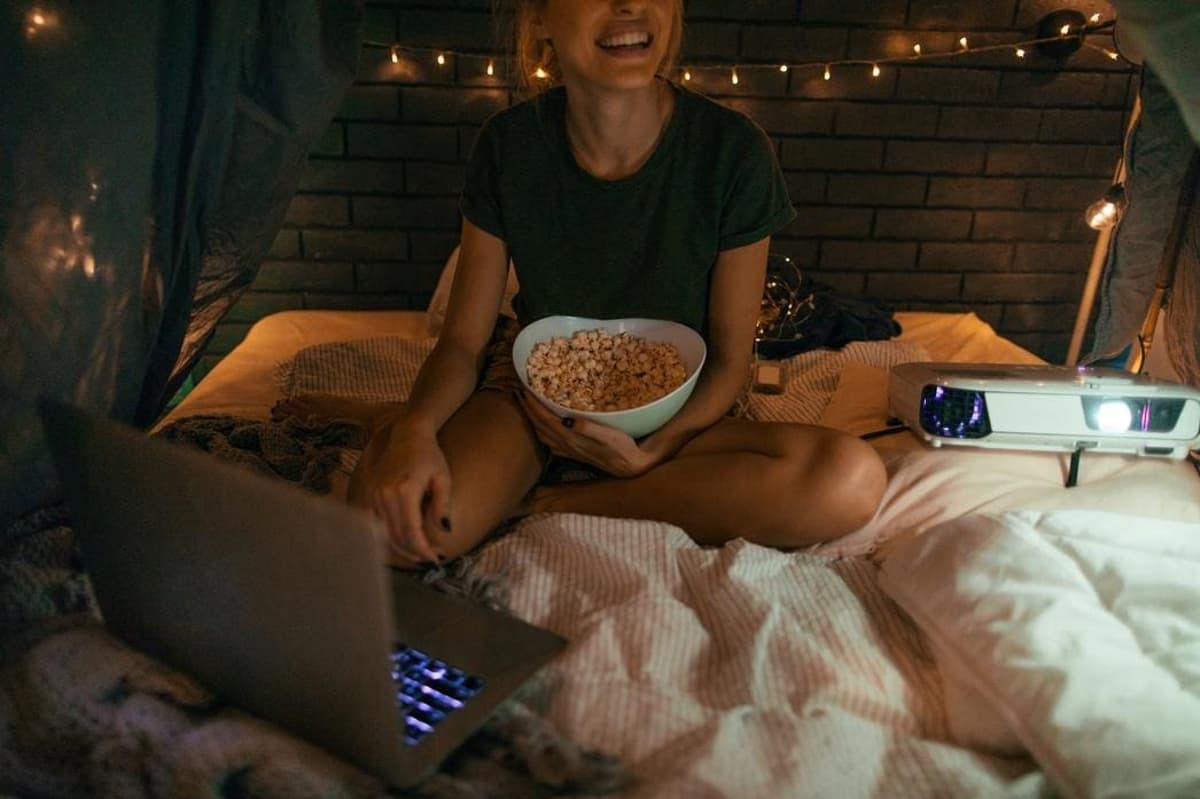
‘Bedtime Stacking’ Trends On TikTok. Here Are The Risks
Why It Matters
Bedtime stacking undermines established sleep hygiene practices, potentially harming mental and physical health while eroding productivity gains it purports to deliver. The trend also raises broader concerns about digital‑driven lifestyle habits that compromise well‑being.
Key Takeaways
- •TikTok promotes "bedtime stacking" as a multitasking sleep hack
- •Combining work, meals, and grooming in bed disrupts sleep cues
- •Eating or using devices in bed invites microbes and pests
- •Sleep experts warn it harms sleep quality and consistency
- •Experts recommend reserving bed for sleep and intimacy only
Pulse Analysis
The rise of "bedtime stacking" on TikTok reflects a broader cultural push to compress daily tasks into any available moment. While habit‑stacking can boost efficiency in some contexts, applying it to the bedroom clashes with decades of sleep‑science research. The brain relies on consistent environmental cues—darkness, cool temperature, and a bed reserved for rest—to trigger the sleep onset process. Introducing bright screens, work‑related stress, or food intake disrupts circadian rhythms, leading to delayed sleep onset, lighter sleep stages, and reduced REM duration, which can impair memory consolidation and emotional regulation.
Beyond the neurological impact, the practice poses tangible hygiene risks. Laptops and smartphones carry dust, bacteria, and viruses from public spaces, while food crumbs create a breeding ground for insects and rodents. Over time, these contaminants can degrade mattress materials and exacerbate allergies or skin conditions. Public health experts caution that the bedroom should remain a low‑contamination zone, recommending regular laundering of bedding, use of trays for meals, and a strict no‑device policy at least 30 minutes before lights out.
For businesses and productivity coaches, the lesson is clear: efficiency hacks must align with human biology, not override it. Companies can promote healthier work‑life boundaries by encouraging employees to designate separate spaces for focused tasks and relaxation. Educational campaigns that demystify sleep hygiene—emphasizing consistent bedtimes, screen‑free wind‑down periods, and a clear mental association between the bed and sleep—can counteract the allure of viral multitasking trends. Ultimately, protecting sleep quality safeguards workforce performance, mental health, and long‑term economic productivity.
‘Bedtime Stacking’ Trends On TikTok. Here Are The Risks
Comments
Want to join the conversation?
Loading comments...