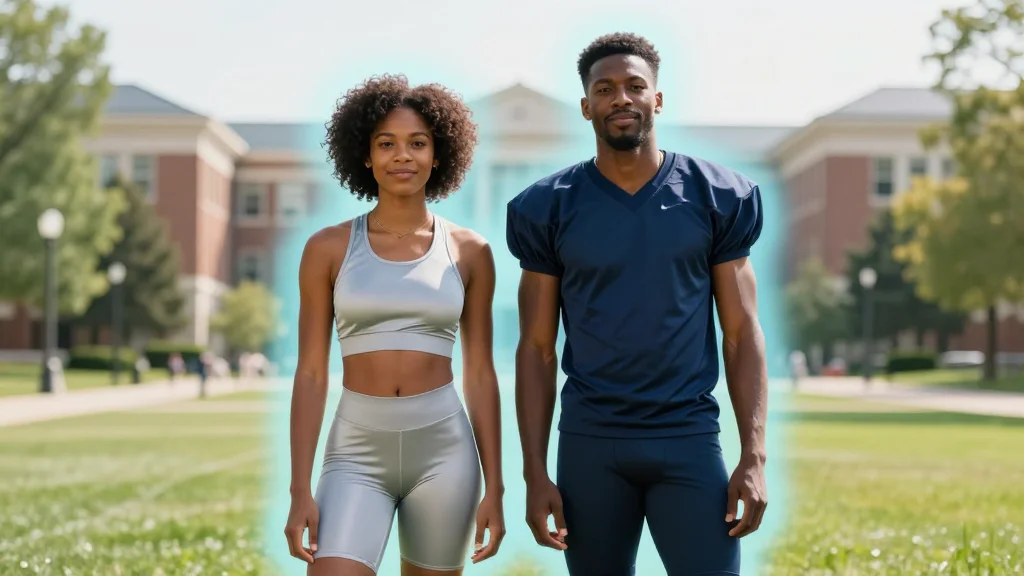
Beyond the Athlete Conference Puts Mental Health of Black Student Athletes Center Stage

Why It Matters
The conference shines a spotlight on a demographic—Black and female student athletes—historically under‑served by campus mental‑health services. By coupling performance with psychological resilience, the event challenges the prevailing win‑at‑all‑costs culture and offers a template for holistic athlete development. If replicated, such forums could drive systemic changes in how colleges allocate counseling resources, train coaches, and measure athlete success beyond statistics. Moreover, the involvement of a high‑profile former NFL player bridges the gap between collegiate and professional sports, signaling that mental‑health advocacy is gaining traction at all levels of competition. This could accelerate funding for research, encourage the adoption of restorative practices, and ultimately improve retention and post‑graduation outcomes for student athletes.
Key Takeaways
- •First national conference linking sports performance with mental wellness for Black and female athletes
- •Organized by Elon senior Haleigh Cephus, whose research focuses on athlete mental health
- •Keynote delivered by former NFL player and mental‑health advocate Marcus Smith II
- •Four breakout sessions addressed emotional intelligence, healing practices, NIL pressures, and empowerment
- •Conference calls for systemic changes in campus counseling and support structures
Pulse Analysis
The Beyond the Athlete conference arrives at a moment when collegiate athletics are under intense scrutiny for their mental‑health provisions. Recent lawsuits and high‑profile athlete suicides have forced universities to reevaluate support systems, yet many institutions still lack culturally competent resources for athletes of color. By centering Black and female athletes, the conference not only fills a research void but also creates a replicable model for targeted wellness programming.
Historically, wellness initiatives in sports have been driven by performance labs and sports medicine departments, often sidelining psychological care. This event flips that script, positioning mental health as a performance enhancer rather than a peripheral service. The involvement of an NFL veteran adds credibility and may catalyze partnerships with professional leagues, which are increasingly investing in player mental‑health programs. If universities adopt the conference’s collaborative framework—combining academic research, community advocacy, and athlete testimony—we could see a new standard where mental‑wellness metrics are integrated into recruitment, training, and eligibility criteria.
Looking forward, the conference’s call for an annual gathering suggests a growing ecosystem of stakeholders committed to this cause. Funding opportunities may emerge from both public grants aimed at reducing health disparities and private sponsorships from brands seeking authentic engagement with diverse athlete audiences. The real test will be whether these dialogues translate into measurable policy shifts, such as mandatory mental‑health curricula for coaches or dedicated counseling staff for minority athletes. The momentum generated here could be the catalyst that moves mental‑wellness from a niche concern to a core pillar of collegiate sports strategy.
Beyond the Athlete Conference Puts Mental Health of Black Student Athletes Center Stage
Comments
Want to join the conversation?
Loading comments...