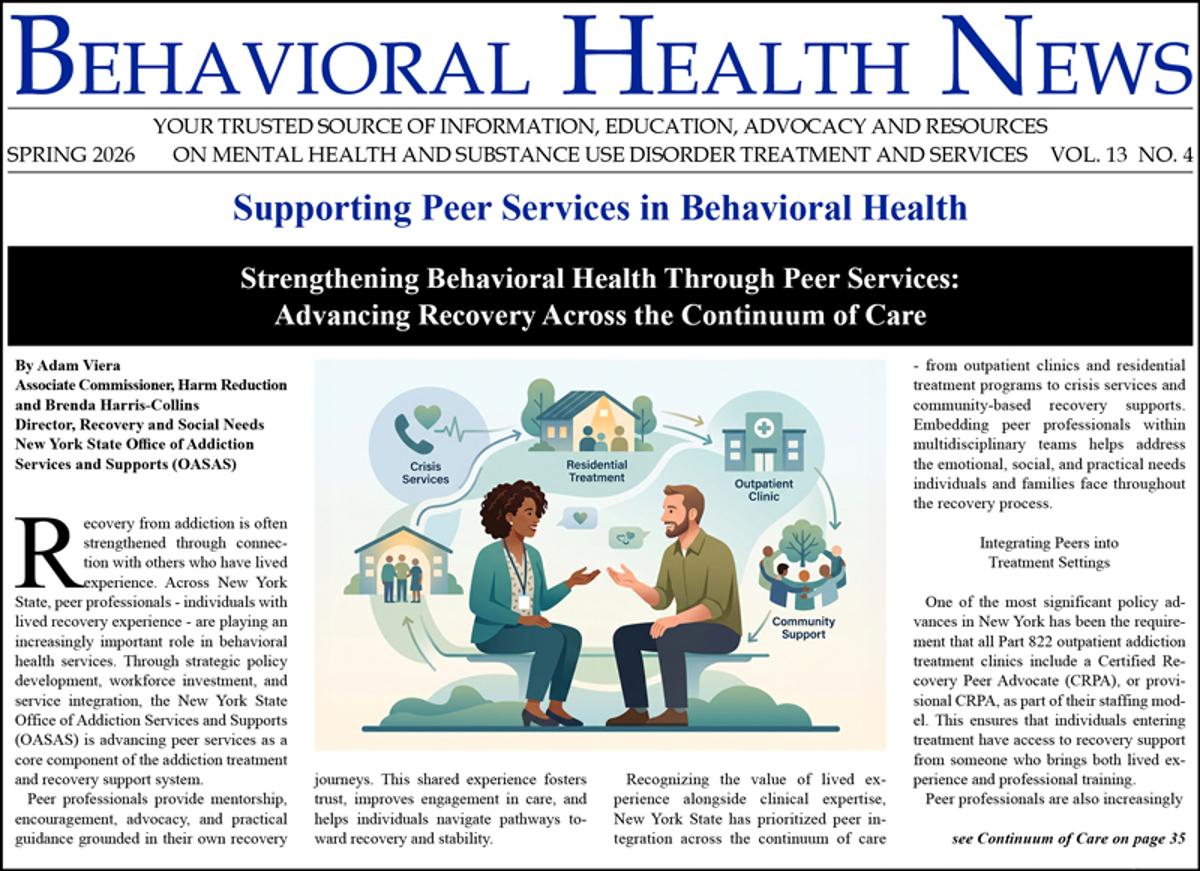
Why It Matters
Peer support is increasingly viewed as a cost‑effective lever for improving outcomes, yet systemic barriers hinder its full adoption. Understanding these dynamics is critical for providers, payers, and policymakers aiming to scale recovery‑focused care.
Key Takeaways
- •Peer support recognized as essential component of behavioral health recovery
- •Integration challenges include financing, supervision, and cultural acceptance
- •State initiatives, like New York, showcase scalable peer service models
- •Workforce development programs aim to certify and retain peer specialists
- •Evidence links peer involvement to improved patient outcomes and reduced costs
Pulse Analysis
Peer support has moved from a peripheral adjunct to a central pillar of modern behavioral health systems. Across the United States, providers are leveraging lived‑experience expertise to bridge gaps in crisis response, outpatient treatment, and community reintegration. This shift is driven by mounting evidence that peer‑led interventions boost engagement, shorten hospital stays, and lower overall costs, prompting insurers and Medicaid programs to explore sustainable reimbursement models. However, integrating peers into traditional clinical workflows demands deliberate cultural change, robust supervision structures, and clear competency frameworks to ensure quality and accountability.
Financing remains a pivotal hurdle for widespread peer service adoption. While some states, notably New York, have enacted Medicaid waivers and grant programs to fund peer positions within Certified Community Behavioral Health Clinics (CCBHCs), many organizations still rely on short‑term contracts or philanthropic support. The issue highlights innovative financing approaches, such as bundled payments that embed peer services into value‑based care bundles, and collaborative learning networks that share best practices for fiscal sustainability. These models illustrate how strategic investment can transform peer roles from grant‑dependent pilots into permanent, reimbursable components of the care continuum.
Workforce development is equally critical as demand for qualified peer specialists outpaces supply. The publication details emerging certification pathways, mentorship programs, and the Recovery Workforce Learning Collaborative, which collectively aim to professionalize the peer workforce while preserving the authenticity of lived experience. By standardizing competencies and fostering peer supervision, organizations can reduce turnover and enhance service quality. For executives and policymakers, the takeaway is clear: scaling peer support requires coordinated action across financing, training, and cultural integration, positioning it as a catalyst for more resilient, patient‑centered behavioral health ecosystems.
BHN Spring 2026 Issue
Comments
Want to join the conversation?
Loading comments...